 Field
Field 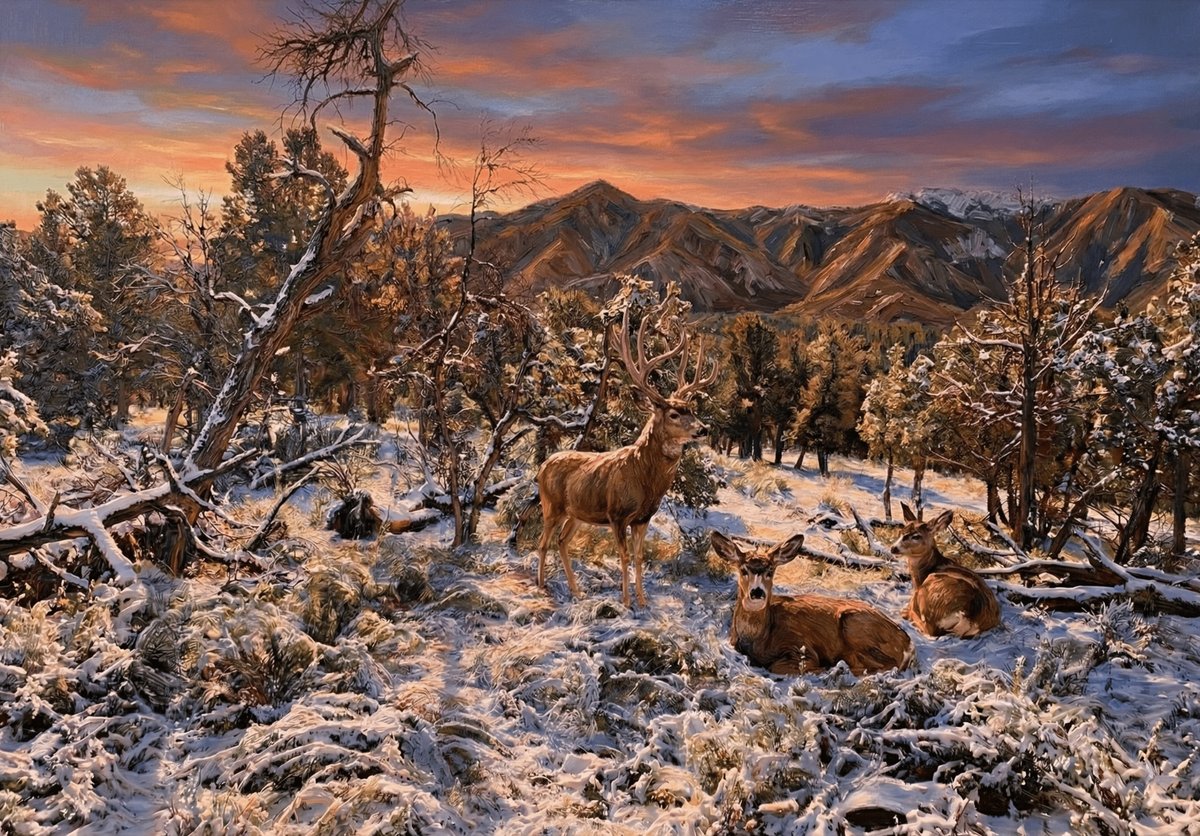
You don’t have to spend long in big country to understand why bison art hits people in the chest. The animal itself is a walking weather system—part history, part hard-earned survival—and if you’ve ever watched one stand unbothered in a prairie wind that would cut you to the bone, you know exactly what I mean. American bison aren’t just “western.” They’re the West: resilience, pressure, and wide-open space made flesh.
Here at Field & Fen Art in Milton, North Carolina, we love wildlife the way you probably do—through muddy boots, early alarms, glassing sessions, and the quiet respect that comes from watching animals live on their terms. A good bison piece doesn’t need to shout. It just needs to feel true: the hump that looks like a loaded pack, the heavy head carried low, the beard rimed with frost, the dark eye that gives nothing away.
Western Wildlife Art That Feels Like Real Country
Plenty of “western wildlife art” gets the scenery right but misses the animal. Bison aren’t oversized cattle wandering through a postcard. They’re tuned to the prairie like elk are tuned to timber—built for distance, weather, and pressure.
Watch a herd on an open flat and you’ll notice how much of their day is about efficiency. In calm conditions, they’ll spread out and graze with that steady, sweeping muzzle motion—lips stripping grass close, head swinging side to side like a slow pendulum. When the wind comes up, they often angle their bodies into it, using that massive forequarter and thick coat like a shield. In winter, they’ll “plow” snow with their heads, shoving and sweeping to uncover grass. That behavior—head down, shoulders driving, breath rolling—makes for some of the most compelling compositions in bison artwork because it shows the animal doing what it was built to do.
And if you’ve ever been close enough to hear a bull breathe, you know there’s weight in it—an engine-idle sound that makes you stand a little straighter. A canvas print that captures that presence belongs in a room where gear gets stacked and stories get told.
Bison Art and the Rut: Dust, Dominance, and the Real Drama
If you want bison at their most intense, think late summer into early fall—rut time. Bulls go from “big” to downright prehistoric. Their necks swell, their hair looks even more ragged, and they start carrying themselves like they own every acre between you and the horizon.
During the rut, bulls will wallow—dropping to the ground and grinding into dusty soil or mud, then rolling and standing to coat themselves. It’s not just showmanship. Wallowing can help with parasites, scent, and signaling dominance, and those wallows become focal points on the landscape. If you’ve ever found one while scouting—an oval depression, torn-up earth, hair stuck in the mud—you’ve seen the calling card of a mature bull.
Then there’s the sparring. A lot of people imagine constant full-contact fights, but much of it is posturing, parallel walking, and controlled clashes. When they do connect, it’s a deep, hollow impact—horn on horn, skull on skull—followed by shoving matches that look like two tractors arguing. An artist who understands that movement will paint the tension correctly: legs braced, heads low, dust hanging, cows bunched nearby, and younger bulls circling the edge waiting for a chance.
That rut energy pairs nicely with other wildlife moments that carry the same kind of honest grit. If you’re the type who appreciates scenes with attitude and edge, take a look at Pay The Toll. It’s not a bison piece, but it taps into that same “nature doesn’t negotiate” feeling—exactly what you witness when big animals set the rules.
Buffalo Canvas Prints: Texture, Light, and the “Close Enough” Feeling
When you’re choosing buffalo canvas prints, the details matter in a way they don’t for a lot of other animals. Bison are texture—woolly head, coarse mane, shagged-out beard, and that hard line where the heavy forequarters meet a sleeker hind end. Good bison art doesn’t smooth them out. It leans into the roughness.
Light is everything, too. Early morning sun will turn the guard hairs into a halo, especially around the hump and shoulders. Overcast days flatten contrast but bring out deep, velvety browns and near-blacks along the face and brisket. And then there’s winter light—blue shadows on snow, breath in the air, frost clinging to hair. Those are the scenes that feel like you’re back behind the glass, wishing the wind would lay down just long enough to get steady.
If you’re building a wall that reflects how you spend your seasons, balance matters. A bison canvas can be the anchor—heavy, grounded—while other pieces add motion or a different kind of wild. For a lighter, more delicate contrast (the kind you notice after a long sit when small life starts moving again), Pretty Bird Oil brings a softness that still feels outdoorsy and earned.
Reading Bison Like a Hunter: Wind, Space, and Respect
Even if you never plan to hunt bison, a hunter’s brain can’t help reading them: wind, body language, herd flow, and the invisible “bubble” of space they carry. Bison don’t need claws or fangs to be dangerous; they have mass, speed, and a short temper when pushed. In thick cover they can vanish in a way that seems impossible for something that size, but in open country they rely on sight, scent, and group awareness.
Pay attention to how the herd positions itself. Cows and calves often keep a steady rhythm—feed, lift heads, check, feed again—while younger bulls hang on the margins. Mature bulls may be alone or loosely associated, especially outside the rut. When something is off—human pressure, a predator, a sudden wind shift—you’ll see it ripple through the group: heads up, ears forward, bodies turning to face the threat. Unlike deer that might freeze and blend, bison can choose confrontation. That’s why the first rule around them is the same rule you follow around any big animal that can ruin your day: don’t crowd them, don’t surprise them, and don’t assume they’ll act like livestock.
On public-land style hunts or managed draws, success is rarely about fancy tricks. It’s about terrain and patience—using folds in the prairie, creek cuts, and low swales to stay out of sight; playing the wind; and understanding that once a herd starts moving, they can cover ground fast and keep going. Shots, when they come, should be close enough and steady enough to be ethical—because recovering a bison is a serious job even in the best conditions. That respect—the weight of the animal and what it takes to do things right—belongs in the art, too.
Some of the best wildlife art doesn’t just show the animal; it shows the landscape pressure around it. Winter scenes do that especially well. If you’ve ever tracked anything in snow, you know how the whole world becomes a map—every step written down. Pieces like Frostbound Companions capture that cold-season companionship and quiet focus that winter hunting and scouting can teach you.
The Buffalo Collection: Bringing the West Home Without Losing the Wild
There’s a reason bison imagery shows up in cabins, hunting rooms, and family homes across the country. It’s not just nostalgia. The American bison is a reminder that wild things can come back when people decide they matter—through conservation, smart management, and a cultural shift from taking to stewarding. Today’s herds exist because of hard lessons, good science, and a lot of stubborn effort.
When you hang bison art, you’re not only celebrating an animal—you’re keeping a story in your daily line of sight. Maybe it reminds you of a trip out west, the first time you saw a herd through heat shimmer. Maybe it’s the memory of sage on your boots, or that moment when a bull turned broadside and you realized how big “big” can be. Or maybe it’s simpler: you just like the way a bison looks in honest light, because it looks like endurance.
We also love pairing bison pieces with art that tells the rest of the rural story—the places and seasons that shape us. The Old Place has that lived-in, cold-weather homestead feel—like coming back to a warm room after checking a fence line or breaking ice for the dogs. Put that alongside bison art and you’ve got a wall that feels like a real life, not a theme.
If you want to explore bison-focused work specifically, spend a little time with our Buffalo Collection. Browse it the way you’d glass a ridge—slowly, looking for the piece that makes you stop and lean in. When you find the one that feels like your kind of country, you’ll know.