 Field
Field 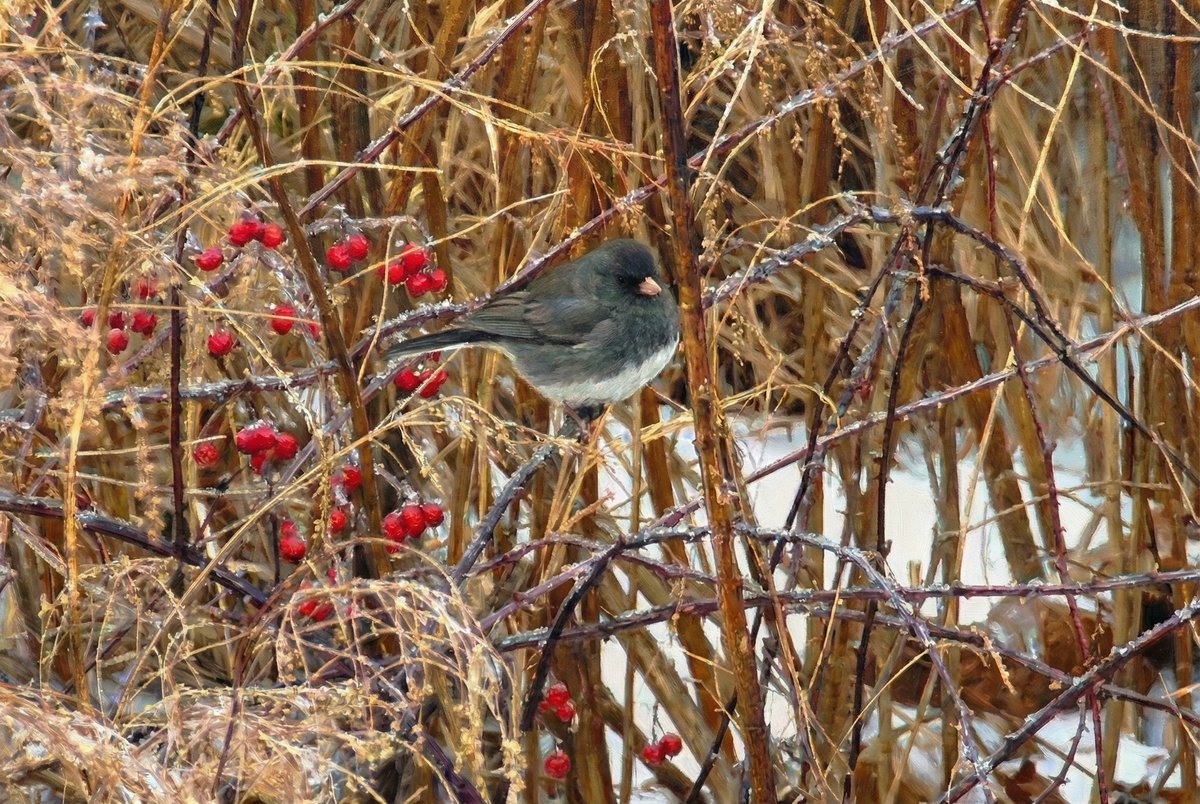
Good bird art doesn’t just “match your decor.” It brings the outside in—the same way a good morning in the stand or a slow walk down a hedgerow settles your nerves and sharpens your senses. The right bird art on your wall can put you back in that moment: frost in the grass, wings cutting air, a flash of color in gray timber. And if you’ve spent any time hunting, scouting, or just paying attention to the woods, you know birds aren’t background noise—they’re living barometers for weather, pressure, food, and season.
Below, we’ll talk cardinals, hawks, and songbirds the way you and I actually meet them—in real habitats, with real behavior—then tie those scenes to canvas pieces that keep that feeling close. Field & Fen Art is based in Milton, North Carolina, and the work carries that Piedmont-and-beyond honesty: birds rendered with the kind of respect you earn when you watch them long enough to learn their patterns.
Cardinal Canvas Print Ideas: Red Birds, Real Behavior, and Winter Edges
A cardinal isn’t rare, but it’s never ordinary. In late fall and winter, when hardwoods have dropped their leaves and everything goes sepia, that red male cardinal looks almost unreal—like a signal flag moving through briars. If you hunt whitetails, you’ve probably watched cardinals hop along a tangle of greenbrier or poke under a cedar for seed, completely unbothered by cold so long as there’s cover and groceries nearby.
Here’s what makes them worth hanging on the wall: cardinals are edge birds. They love the seam between old field and thicket, creekline and brush pile, yard and woods. That’s the same seam you scout for deer movement and turkey travel—places where food meets security. If you’ve got a cardinal on canvas in your entryway or gun room, it’s not just a “pretty bird.” It’s a reminder of where life stacks up when the wind has teeth and daylight is short.
Cardinals are also famously vocal year-round. That clear, whistled “cheer-cheer-cheer” will carry on cold, still mornings when the woods feel empty. Hunters know those sound cues matter: a sudden hush in normal bird talk can signal a bobcat slipping a ditch or a hawk ghosting through, and a steady baseline of chirps and chips often means the woods are calm.
If you want that bright, clean cardinal presence in your home, take a look at Pretty Bird Oil. It has that classic, bold warmth that plays well in a living room, cabin, or above a mantle where you want color without losing the natural feel.
Hawks and Raptors as Bird Art: Reading the Sky Like a Hunter
Raptors are the birds that make you stop mid-step. A hawk perched on a snag or gliding a cutover is a reminder that the woods is a food chain, not a postcard. If you’ve ever still-hunted a pine edge and watched a red-shouldered hawk glide in low, you’ve seen how they work: short wingbeats, long glide, eyes locked on movement below. Or maybe you’ve watched a red-tailed hawk post up on a power pole along a field, using elevation like a tree stand—because height buys you options.
Hawks are also honest about wind. On blustery days, you’ll see them “kiting” into the breeze, barely moving their wings while they hang over a pasture like they’re pinned to the air. When the wind lays down, they’ll use more perches and shorter flights. Those little observations are the same kind of detail that helps you decide whether to tuck into a leeward hollow or hunt a field edge where scent and thermals will behave.
And if you hunt small game or just enjoy winter walks, you’ve probably watched hawks key in on hedgerows and ditch lines. Those are mouse highways. Tall grass, brush piles, and fence rows make perfect cover for prey—and perfect hunting lanes for a raptor. When you hang hawk-themed work, you’re not decorating; you’re honoring the wild skill set that keeps the whole system sharp.
Field & Fen’s Bird Collection is where you’ll find those kinds of pieces alongside songbirds and woodpeckers—birds that share the same woods you scout and hunt.
Songbird Art on Canvas: Juncos, Flickers, and the Soundtrack of the Seasons
Songbirds are the small details that make a place feel alive. If you’ve ever sat long enough at daybreak to hear the woods “turn on,” you know what I mean. First, a few chips and ticks in the brush. Then a chorus builds as the light spreads. Even on a quiet morning, songbirds give you information: where cover is thick, where food is dropping, and when something moves through that they don’t like.
Two winter birds in particular deserve more respect than they get: juncos and flickers. Dark-eyed juncos show up like clockwork when cold weather settles in. They forage on the ground in loose flocks, bouncing and flicking, scratching through leaf litter for seeds. If you’ve still-hunted hardwoods in December, you’ve watched them work under beech and oak, often in the same places deer will nose around for mast scraps. Juncos like quick access to cover—brush, low limbs, or evergreen edges—because in winter every calorie counts, and every second exposed is a risk.
That’s why Winter Junco Berries hits so true. It captures that cold-season feel—life tucked into the lean months—without making winter look lifeless.
Now, flickers. A lot of folks lump them in with “woodpeckers” and move on, but a northern flicker is its own kind of bird—part woodland, part open-country. They’ll feed on the ground more than most peckers, hammering into ant beds and probing for insects when conditions allow. In colder weather, you’ll see them working berry-producing shrubs and clinging to trunks, and when they flush, that white rump patch is like a quick flash of snow in flight. If you’ve ever watched one sail through open timber and land with that upright, alert posture, you know exactly what I’m talking about.
Winter Flicker is a canvas that feels like those crisp mornings when your breath shows and every footstep sounds loud. It’s the kind of piece that belongs where you clean birds, tie flies, stack decoys, or just drink coffee and think about the next cold front.
Bird Art That Feels Like Home: Bringing the Field Into Your Walls
The best wildlife art doesn’t pretend nature is gentle all the time. It shows beauty, sure—but also the grit: winter scarcity, sharp eyes, wary movement, and the way animals use cover like it’s a rule of law. When you choose bird art for your home, you’re choosing which story you want to live with every day. Maybe it’s the bright lift of a cardinal in January. Maybe it’s the quiet industry of a junco flock working the leaf litter. Maybe it’s a bird that reminds you of a particular place—like that creek bottom where you jumped woodcock as a kid, or the fencerow where you watched a hawk pinwheel down on prey.
One of the easiest ways to make art feel personal is to match it to how you use a space. In a living room, birds with strong color and clean composition can warm up the place without getting busy. In a hallway or mudroom—where you’re coming and going with boots, jackets, and a bit of the outside still on you—pieces with a seasonal edge feel right. In an office or workshop, a bird with attitude (a raptor, a woodpecker, a bold cardinal) keeps your eye moving and your mind outdoors, even when you’re stuck inside.
If you’re drawn to a lighter, airier look—something that still feels wild but softens a room—check out Pretty Bird Water. It’s the same subject with a different mood, like the difference between a frosty sunrise hunt and a calm, bluebird afternoon scouting trip.
Choosing a Cardinal Canvas Print or Songbird Art: What Hunters Notice First
Hunters notice details. Not in a fussy way—in a “that’s how the woods really works” way. When you’re choosing a cardinal canvas print or a piece of songbird art, here are a few things your eye will naturally appreciate:
Seasonal truth. Does the bird look like it belongs in the time of year the art suggests? Winter birds feel different than spring birds—posture, feather fluffing, the whole mood. In cold weather, birds often look a little puffed up because they’re trapping air for insulation. That’s not a gimmick; it’s survival.
Habitat cues. The best bird pieces hint at where the bird lives: berries, bare limbs, evergreen edges, open timber, brushy seams. Those cues are part of the story. They’re the same cues you read when you’re trying to figure out where deer bed, where rabbits cut through, or where turkeys pitch down.
Behavior you recognize. Ground-feeding birds should feel grounded. Perch-and-pounce predators should feel alert and ready. A cardinal should look like it owns the thicket. When the behavior is right, you don’t have to convince yourself you like the art—you just do, because it rings true.
Field & Fen Art’s Bird Collection is built around that kind of truth. Whether your taste runs toward bold color or quiet winter tones, you’ll find pieces that feel like real days outside, not stock-photo nature.
If you’ve been thinking about adding a little of the field to your walls—something that reminds you why you hunt, hike, scout, and pay attention—take a slow look through the Bird Collection. Pick the bird that feels like your place, your season, and your kind of morning.