 Field
Field 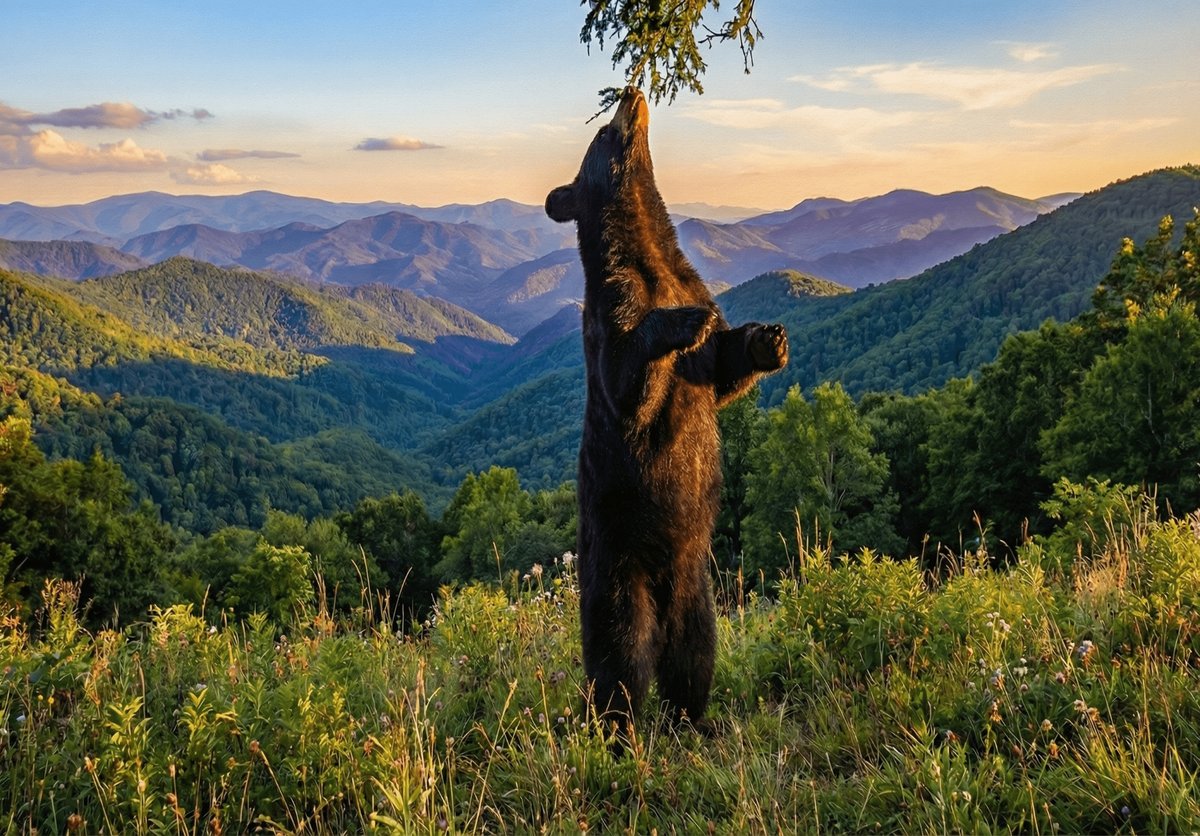
There’s a reason black bear art hits different for folks who spend real time outside. You’ve probably seen that first-hand: a fresh track in a sandy creek crossing, a turned-over log with beetle grubs missing, or a dark shape slipping through mountain laurel like smoke. Black bears are equal parts wildness and familiarity—present in the same ridges, cuts, and river bottoms you hunt and hike. The right piece of bear wall art doesn’t just “look outdoorsy.” It brings you back to a specific kind of moment: cool air, damp leaves, and that quiet sense that something big is nearby.
At Field & Fen Art in Milton, North Carolina, we’re drawn to animals the way hunters are—by patterns, habitat, and the stories they leave behind. Bears aren’t just a silhouette on a canvas; they’re a set of behaviors and seasonal rhythms that you can learn to read. When a canvas print captures those details, it feels honest on your wall, whether it’s in a cabin mudroom, a den with your pack and boots by the door, or a living room where you want one piece that actually says something about your life outside.
Black bear art that feels true to bear behavior
If you want bear wall art that rings true, start with what bears actually do all day: eat, travel, and stay out of trouble. A mature black bear can put down 15,000–20,000 calories in a day when food is easy, and in late summer that becomes their entire job. That’s why “bear sign” isn’t just one thing. It’s a checklist—scat full of berries, clawed bark where they climbed for mast, flipped rocks, torn-apart yellow jacket nests, and trails worn into steep sidehills because the path of least resistance is still the law of the woods.
In the Southern Appalachians and across the Carolina foothills, early season movement often revolves around soft mast—blackberries, pokeweed, wild cherries—and then pivots hard when acorns start raining. When white oak acorns are dropping, bears can get patternable in a way people don’t expect. They’ll feed heavy on a specific ridge or bench, then bed down in thick cover close by—rhododendron, young clearcuts, laurel tangles—somewhere with wind advantage and a quick escape route. That’s why an art piece that shows a bear in open hardwoods can be beautiful, but a piece that hints at edges, transition cover, and feeding focus can feel like it was made by someone who’s actually watched bears work a hillside.
And there’s temperament. Black bears aren’t grizzlies, but they aren’t teddy bears either. Most of the time, they’d rather not tangle with you. The posture tells the story: head low and nosing, ears up and alert, a pause to test the air. The bear that’s “just being a bear” looks different from the bear that’s decided you’re too close. Good bear canvas prints capture that nuance—curiosity, caution, and calm power instead of cartoon aggression.
Bear canvas prints for cabins, camps, and everyday walls
Your space matters. A lot of folks hang wildlife art like it’s a souvenir. But if your home is the staging area for hunts, hikes, and weekends at the lease, your walls can be part of that rhythm too. Bear canvas prints work especially well because black bears have big, simple shapes—dark shoulders, thick neck, that unmistakable profile—so they read from across a room. The key is choosing a scene that matches how you experience bears: close-range detail, a quiet forest encounter, or a seasonal story.
If you’ve ever slipped through a bottomland oak flat in the last light and caught that musky bear smell before you ever saw the animal, you know how much of bear hunting and bear watching is about senses. Bears live by their nose. Their eyesight is serviceable, their hearing is sharp, but scent is the main game. That’s why wind discipline matters so much if you’re pursuing them—why you circle wide, why you wait for thermals to settle, why you don’t cut a corner in thick cover. A piece like Sniff Sniff leans into that truth: the bear in a moment of investigation, sampling the world the way bears actually do, with the kind of calm intensity you recognize if you’ve ever watched one working a scent line.
Placement-wise, bear wall art shines in a few spots: over a fireplace where it anchors the room, in a hallway that feels like a trail corridor, or above a gear bench where it becomes part of your pre-hunt routine. Canvas is especially forgiving in real-world spaces—mudroom humidity, woodstove heat, and the general wear-and-tear of a home that’s actually lived in. The best part is you don’t need a full lodge makeover. One strong bear print can carry a whole corner.
Bear wall art inspired by mountain meadows, oak ridges, and thick cover
Black bears are creatures of edges and opportunity. In mountain country, you’ll see them drift from high-elevation meadows down into timbered benches as the day warms, or use old logging roads like quiet travel lanes between feed and bed. In the coastal plain and Piedmont, the pattern shifts—more swamp edges, more agricultural draws where legal, more thick cover movement because visibility is limited and human pressure is different. But the common thread is the same: bears pick places where calories are easy and escape is easier.
That’s why scenes set in “pretty wilderness” only go so far. The most believable bear wall art carries the textures you recognize: the tangle of young regrowth after a cut, the shadow line where hardwoods meet pines, the soft light you get in the last ten minutes before dark when animals feel safe enough to move. Bears often step out when the woods are quiet—when hikers are back at the truck and the thermals start to slide downhill. If your best bear sightings have come at odd angles and partial views—shoulders through brush, a head behind a stump—then you know the magic is in what’s revealed and what stays hidden.
Hunters learn to read these places with their boots. You notice where the bears are crossing—low saddles, creek bends, old skidder tracks. You notice what they’re eating, because their diet is a calendar. You notice what they’re avoiding, because pressure changes movement faster than weather. When a print nods to those realities, it feels like the woods you know, not a postcard version of the woods.
From salmon streams to berry slopes: seasonal black bear art stories
The title “From Mountain Meadows to Salmon Streams” fits because black bears are one of the most adaptable big game animals in North America. In the West and far north, salmon runs can stack bears along rivers like you’d think only happens on TV. Even if you’re a Carolina hunter, you can appreciate what that means: a predictable, high-protein food source that changes everything about movement and social tolerance. Bears that normally keep distance will fish in closer proximity because the payoff is worth it. You’ll see more daylight activity, more time spent in the open along gravel bars, and more visible hierarchy—bigger bears claiming prime water, smaller bears working the edges.
Back east, you don’t have salmon streams, but you absolutely have seasonal “runs” of your own. When blackberries are ripe, bears work brambles like a combine—slow, methodical, and focused. When acorns drop, they’ll target the best-producing trees, and you’ll find sign concentrated in tight pockets. After a hard mast year, bears can roam wider, spending more time on soft mast and human-adjacent foods, which is where conflict starts. That seasonal push-and-pull is part of the bear’s story, and it’s why choosing bear canvas prints by season can be personal: one piece might remind you of early season berry slopes, another of crisp oak-ridge mornings.
There’s also the reality of breeding season. Late spring into early summer, boars can cover serious ground looking for receptive sows, and that’s when you’ll see more daylight cruising—long-legged, purposeful movement along ridges and old roads. Sows with cubs, on the other hand, are often more cautious and more likely to use thick security cover, especially if there are big boars in the area (infanticide is a real pressure in bear behavior, and it shapes where family groups spend time). Art that shows a lone bear in motion tells a different story than a bear settled in and feeding—and if you’ve spent time in bear country, you can feel that difference immediately.
Choosing bear canvas prints that match your memories (and your walls)
When you’re picking bear wall art, don’t start with “What matches the couch?” Start with “What do I want to remember?” Maybe it’s the first bear you ever saw while still-hunting—how quiet the woods got, how your heart started thumping, how the animal seemed to appear out of nothing. Maybe it’s a camp tradition: glassing cutovers, swapping stories, cooking something hearty after dark. Or maybe you just want one image that honors the animal the right way—powerful, wary, and wild, not caricatured.
Here’s a simple way to narrow it down:
1) Pick a behavior. Feeding, traveling, scenting, or that pause-and-listen moment when you know the bear is deciding what’s safe.
2) Pick a habitat. Hardwood ridge, brushy edge, creek bottom, riverbank, or mountain opening.
3) Pick the mood. Quiet and close, or wide and scenic.
If you’re drawn to that intimate, true-to-life moment of a bear using its best tool, Sniff Sniff is a strong place to start. And if you want to see a range of scenes and styles—from close encounters to broader landscapes—you can browse the full Bear Collection and find the one that matches your own bear country.
However you hunt, hike, or wander, bears tend to mark the memory harder than most animals. Maybe it’s the size, maybe it’s the intelligence, maybe it’s how they can be gone in a blink. If you’ve got a spot on your wall for that feeling, take a look through the Bear Collection and see which piece brings you back to your woods.