 Field
Field 
Black Friday canvas prints are one of the few “gear-season” buys that keep paying you back long after the tags are filled and the truck’s been hosed out. If you’re anything like me, you don’t just want a random pretty picture on the wall—you want a piece that feels like a cold morning in the hardwoods, a flyway full of wings, or that quiet moment when the woods settle back down after the shot. When you’re hunting for real Black Friday art deals, it helps to know what to look for so you end up with wildlife art that rings true every time you walk past it.
Field & Fen Art is based down in Milton, North Carolina—right where whitetails slip between cutovers and creeks, and winter skies can still surprise you with birds when the wind is right. That local grit matters. Good wildlife art isn’t just “animal-shaped.” It’s behavior, habitat, weather, and story—captured in a way you can feel in your ribs.
Black Friday Wildlife Art Deals: Start With Story, Not Price
Here’s the honest truth: the best wildlife art sale isn’t the one with the biggest percentage off—it’s the one where you bring home a piece that you’ll still love when next season rolls around. Before you even compare prices, ask yourself what you want the print to do in your space.
Do you want it to remind you of a place? A piece like The Old Place hits different if you’ve ever watched a winter field go blue-gray at sundown, or followed a set of tracks that cut from timber to a food source like they’d done it a thousand times. Late season is honest hunting: bedding tight to cover, movement stacked around weather windows, deer using thermal cover and the easiest travel lanes. Art that captures that kind of grounded, rural winter mood doesn’t just decorate a room—it brings back the feel of being out there when the world is quiet.
Or maybe you want a piece that carries movement—something you can almost hear. Think about the wildlife you’ve spent the most time around. You know the tells: how a doe’s head bobs when she’s uncertain, how turkeys go from calm to chaos in a blink, how a coyote will ghost a hedgerow with that low, economical trot. When a print nails that body language, it’s more than a scene—it’s a memory with edges.
So when you’re browsing Black Friday art deals, don’t start with the discount banner. Start with a moment you know. Then you’ll recognize the pieces that are true.
Black Friday Canvas Prints That Get Wildlife Behavior Right
You can tell when an artist (or a brand curating art) actually spends time outside. The anatomy is right, sure—but more importantly, the behavior makes sense. Hunters notice that stuff. We can’t help it.
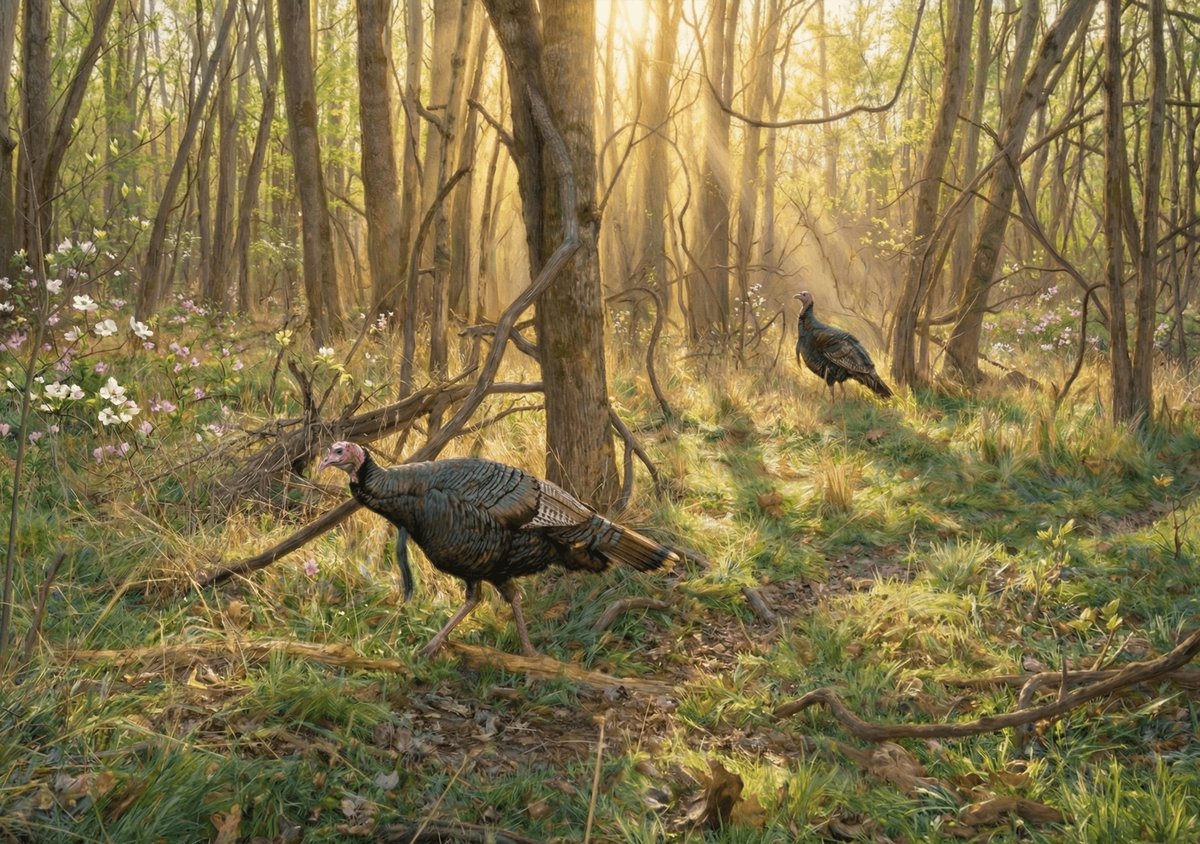
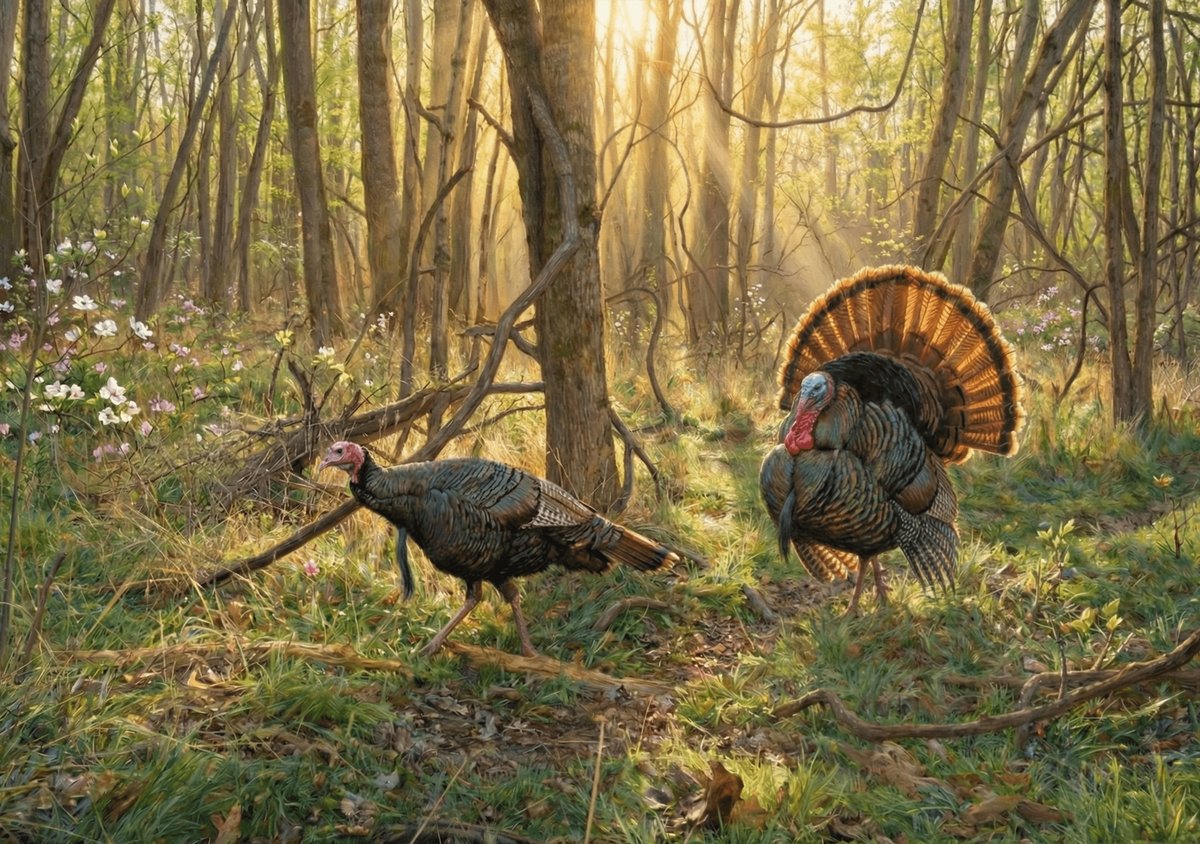
Take birds, for example. A lot of “bird art” looks like a posed specimen—perfectly centered, stiff, and somehow not alive. But real birds are all attitude and micro-movements. They cock their heads to triangulate sound. They shift their weight before they hop. Even perched, they look ready to leave in a heartbeat. That’s why a piece like Pretty Bird Oil works so well—because it leans into that lived-in presence instead of a museum-diagram vibe. If you’ve ever sat still long enough to let the woods “forget” you, you know how birds become your early warning system. Chickadees and titmice fuss when a hawk slides through. Crows will tell on a bobcat. Paying attention to birds makes you a better hunter, and art that respects their character hits home.
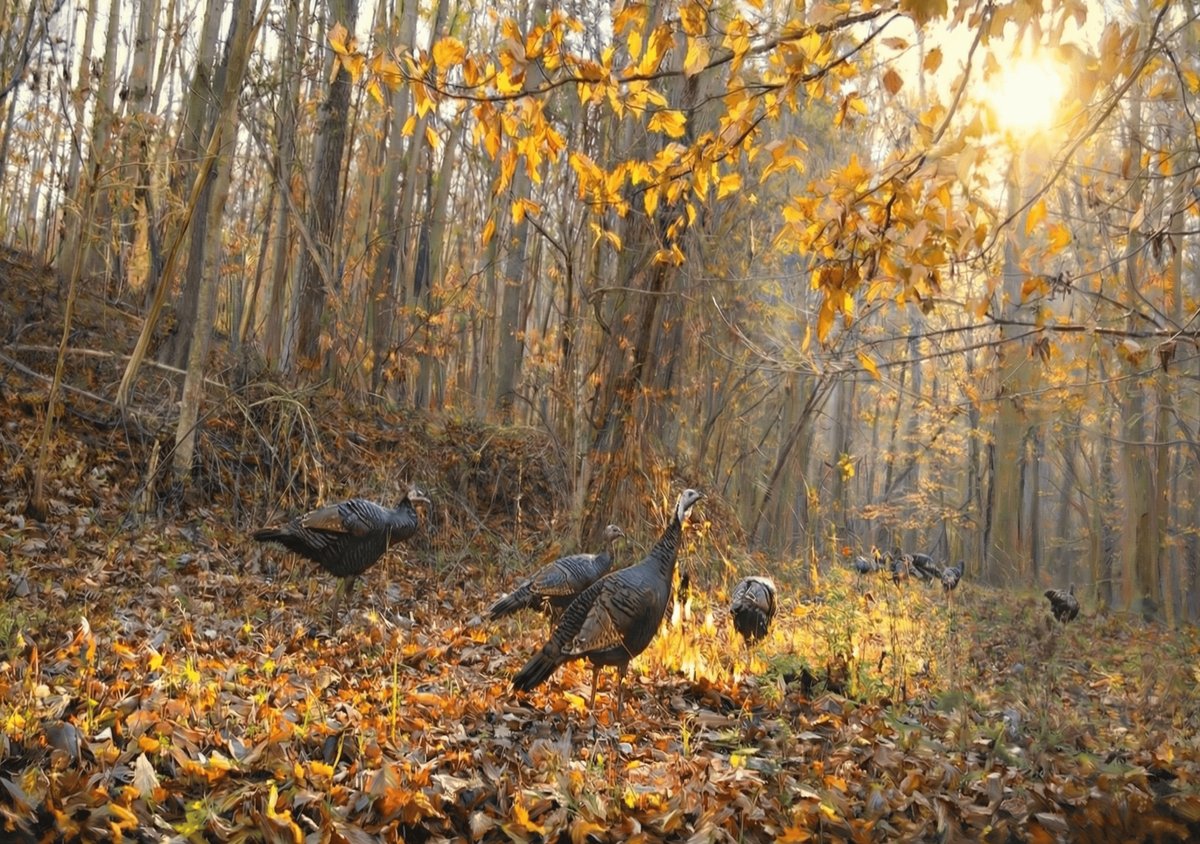
In winter scenes, behavior gets even more telling. Cold changes everything—movement patterns, feeding windows, even how animals relate to each other. Predators and prey both tighten up. You’ll see more daylight activity around a hard front, and you’ll also see companionship show itself in subtle ways: shared trails, overlapping tracks, a kind of mutual tolerance when conditions demand efficiency. Frostbound Companions leans into that winter logic—the idea that the season itself shapes the story. If your best memories include breath hanging in the air and crunchy snow or frost under boots, you already know why that matters.
When you’re evaluating Black Friday canvas prints, look for these “truth signals”:
• Habitat matches the animal (not every animal belongs in every backdrop).
• Body posture fits the moment—alert, relaxed, wary, traveling.
• Light and weather feel believable for the season.
• The scene has room to breathe; nature rarely looks staged.
If the behavior feels right, the art will keep feeling right.
Wildlife Art Sale Tip: Choose Scenes That Match Your Season
Most of us don’t just love “the outdoors” in a vague way—we love specific times and conditions. Early season has that green, buggy edge. The rut has electricity. Late season feels like discipline and grit. Waterfowl mornings have their own rhythm: headlamp glow, thermos steam, the slap of decoys, and that moment when the sky finally starts to show color.
Matching your art to your season is a shortcut to buying something that stays meaningful. If you’re a late-season hunter, you’ll naturally gravitate toward winter palettes: muted fields, hard shadows, and the kind of light that makes everything look honest. That’s where The Old Place shines—because it feels like the landscape you glass across when the woods are open and every move matters. Late season deer are masters of efficiency. They’ll bed with wind advantage and sight lines. They’ll use south-facing slopes for warmth. They’ll hit food fast and slip back into cover. Art that carries that winter economy fits a hunter’s eye.
If you live for the travel corridors—funnels, creek crossings, old logging roads—you know the power of a “pinch point.” Animals love the path of least resistance, and so do we. A crossing that forces movement past a particular spot isn’t just a feature on a map; it’s a story generator. That’s why Pay The Toll hits like a good sit on a cold day. It suggests a place where movement has to happen, where the land collects footsteps. Whether you’re a bowhunter watching a trail intersection or a predator hunter reading the edges, you understand how terrain negotiates behavior.
On the flip side, if your heart is tied to birds—upland, waterfowl, songbirds, any of it—look for art that respects wind, cover, and mood. Birds are weather-driven in a way that’s hard to appreciate until you’ve stood under a sky that’s about to change. A north wind can rewrite a whole morning. A calm day can make the woods feel empty, then suddenly alive. When your art nods to that, it feels like your world.
Black Friday Art Deals: What Quality Matters on Canvas Prints
A good deal isn’t a deal if the print looks tired after a year. Canvas is a great medium for wildlife art because it can hold texture and warmth—if it’s done right. Since you’re shopping Black Friday art deals, you might be comparing pieces fast, so here’s what’s worth slowing down for.
1) Detail retention in fur, feather, and snow.
Wildlife scenes live and die in the small stuff. Feather edges shouldn’t turn to mush. Fur shouldn’t look like a flat blur. Snow and frost should read as cold—crisp highlights, subtle shadows, that faint granular feel. If you’ve ever watched a deer’s winter coat go from sleek to bristled when it’s on edge, you know the difference texture makes.
2) Color truth, especially in low light.
A lot of hunting happens in the margins of the day—first light and last light—when colors are tricky. Blue shadows on snow. Warm undertones on bark. The gray-green of winter grass. Prints that handle those tones well feel more like the field and less like a computer screen.
3) Composition that feels like a real sit.
Hunters don’t experience nature as a centered subject on a blank stage. We experience it from the edge of cover, through branches, across a cut, down a ditch line. Good composition puts you somewhere. It creates the sensation of watching, waiting, noticing.
4) A finish that fits your space.
Think about where it’s going: mudroom, office, living room, cabin, shop. A strong wildlife canvas print should feel at home where boots get kicked off and maps get studied. If it looks too glossy or too “poster-like,” it won’t match the life you actually live.
This is where shopping a wildlife art sale can be smart—you can step up in quality without stepping out of budget, as long as you’re choosing with intention.
Bring Home the Right Piece: Build a Wall Like You Build a Hunt Plan
Here’s a fun way to think about it: putting together a small group of prints is a lot like planning a season. You want variety, but you also want a theme that makes sense. One print that’s all motion, one that’s all mood, one that feels like home ground.
Start with a “heartbeat” piece—the one that captures your strongest connection to the outdoors. For some folks, that’s birds and the life they bring to the woods, which makes Pretty Bird Oil a natural anchor. For others, it’s winter landscapes and the memory of doing things the hard way, which is where The Old Place fits like a well-worn jacket.
Then add a piece that complements it by season or story. If your anchor is winter, Frostbound Companions can deepen that late-season feel—more life in the cold, more narrative in the quiet. If your anchor is about movement and terrain, Pay The Toll brings that “where do they have to go?” question we’re always asking in the woods.
Finally, leave a little space—literally and figuratively. The best walls aren’t crammed. They give each scene room to work, like letting a spot rest after pressure. You’ll notice more every time you look, the same way a familiar piece of public ground reveals something new when you slow down and pay attention.
If you want to see what else fits your style—birds, winter scenes, woodland stories, and everything in between—take a quiet look through the full collection. No rush. Just pick the pieces that feel like your kind of country.