 Field
Field 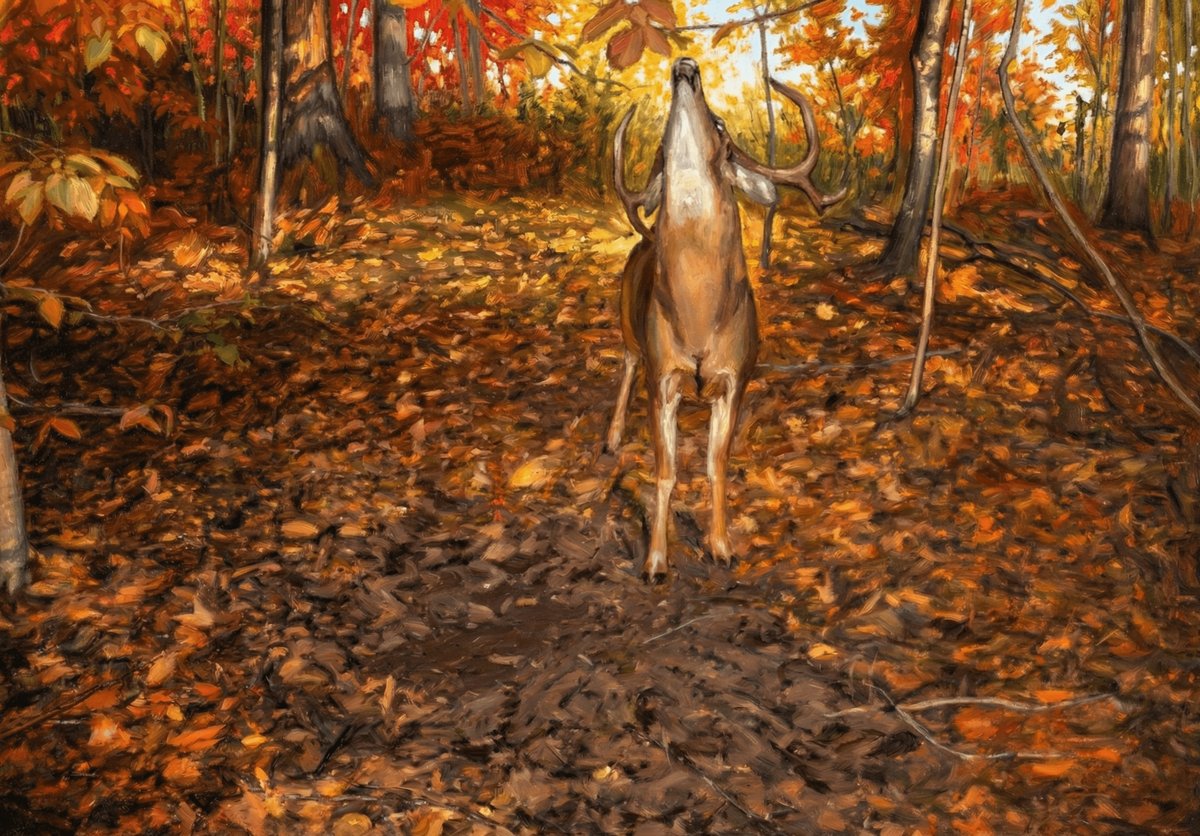
Picking the right canvas print sizes isn’t just a decor choice—it’s the same kind of decision-making you do in the woods. You’re reading sign, judging distance, and matching the moment to the right tool. The right size canvas print doesn’t just “fit the wall.” It sets the mood of the room the way a frost-laced creek bottom sets the mood of a late-season sit. Below is a practical canvas size guide built for folks who know what it means to watch a field edge at last light—and who want their wall art to carry that same honest weight.
Canvas Print Sizes: Start With the Wall, Not the Catalog
Before you pick a piece, stand where you’ll see it most. That’s your “shooting lane.” A canvas can look perfect online and still feel off in your space if you don’t account for viewing distance, furniture, and light.
Here’s the quick field rule: the farther you’ll view it from, the bigger you can (and should) go. In a hallway where you’re two or three steps away, a smaller canvas reads fine. In a living room where you’re across the room, a small piece can feel like a distant doe slipping through brush—easy to miss.
Use these simple guidelines:
Above a couch, bed, or console: Aim for a canvas (or canvas set) that spans about 2/3 to 3/4 the width of the furniture. If your couch is 84 inches wide, you’re generally looking for art that visually reads around 56–63 inches across. That could be one larger canvas or a grouped layout.
Standalone wall (no furniture): Think about “breathing room.” Leave 6–10 inches between the edge of the canvas and nearby doors, windows, or corners so it doesn’t feel crowded—like you hung a stand too close to the only trail in and out.
Entryways and narrow spaces: Vertical formats and medium sizes tend to work best. In tight spots, oversized art can feel like a blind set in the wrong wind—too much, too close, and you’ll notice it every time you pass.
What Size Canvas Print Fits Each Room? A Practical Canvas Size Guide
If you want a straightforward “what size canvas print” cheat sheet, start here. These ranges aren’t hard rules, but they’ll keep you out of trouble.
Small walls and nooks (mudroom, reading corner, hallway): Smaller and medium canvases shine here. These are the places where details matter—like the soft curve of a feather, the glint of an eye, or frost on grass. A piece like Pretty Bird Oil can work beautifully in a tighter space where you’ll be close enough to appreciate brushwork and fine texture.
Bedroom walls: Bedrooms usually call for calm, grounded imagery and a size that doesn’t overpower the room. Winter scenes and quiet country settings belong here—something that feels like stepping outside before daylight when the world is still. The Old Place has that kind of steady, lived-in hush that fits a bedroom wall, especially above a dresser or on a blank side wall that needs warmth.
Living rooms and great rooms: This is where larger canvas print sizes earn their keep. Big rooms swallow small art. If your living room has tall ceilings or an open floor plan, don’t be afraid to size up so the piece can “speak” from across the room. Bold wildlife scenes with strong contrast and clear shapes read especially well at distance—like seeing dark bodies moving through snow at the edge of timber.
Office, den, or trophy room: These spaces are all about story. A canvas here should feel like a memory you can walk back into: a river crossing, a hard winter, an old farm place you’ve driven past for years. If you’ve got a wall behind a desk or above a gun safe, a medium-to-large canvas gives the scene enough presence to hold attention during a long phone call or while you’re cleaning a rifle and replaying the season.
Canvas Print Sizes and Viewing Distance: Make the Scene Feel Real
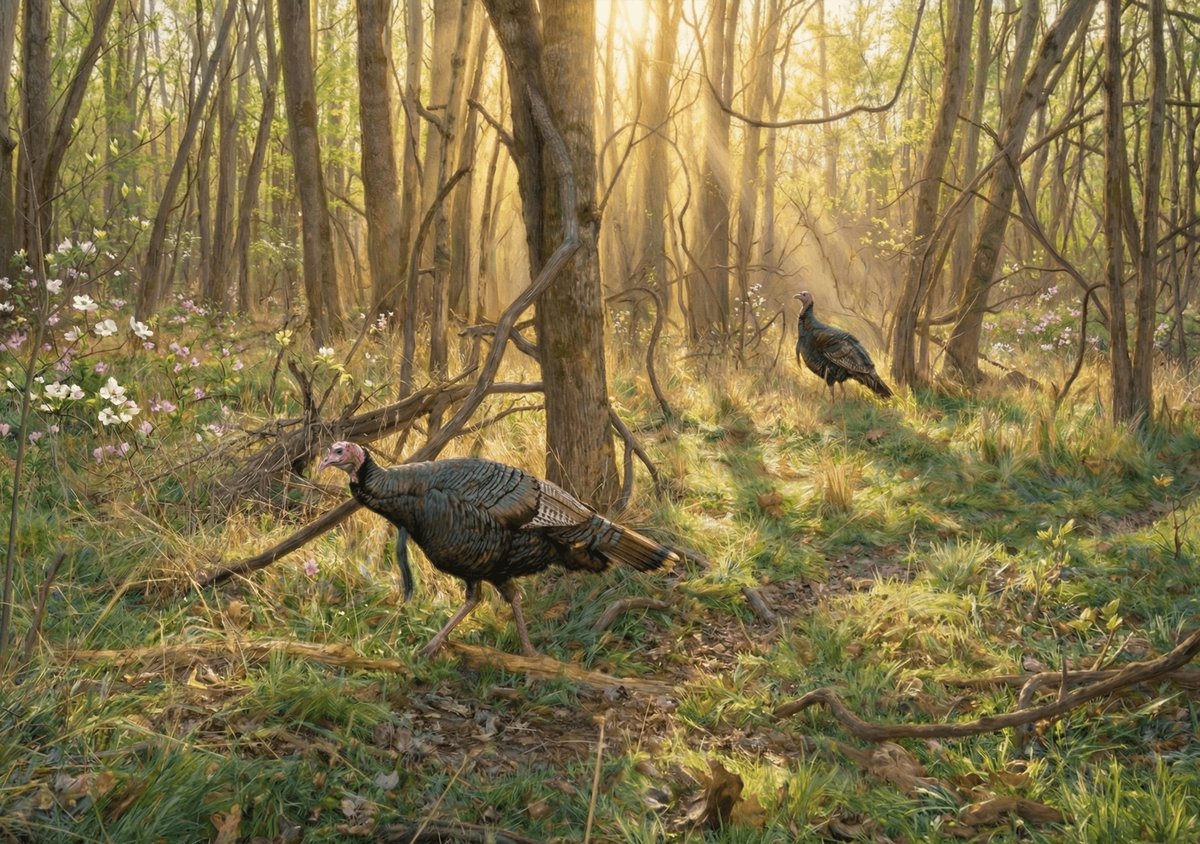
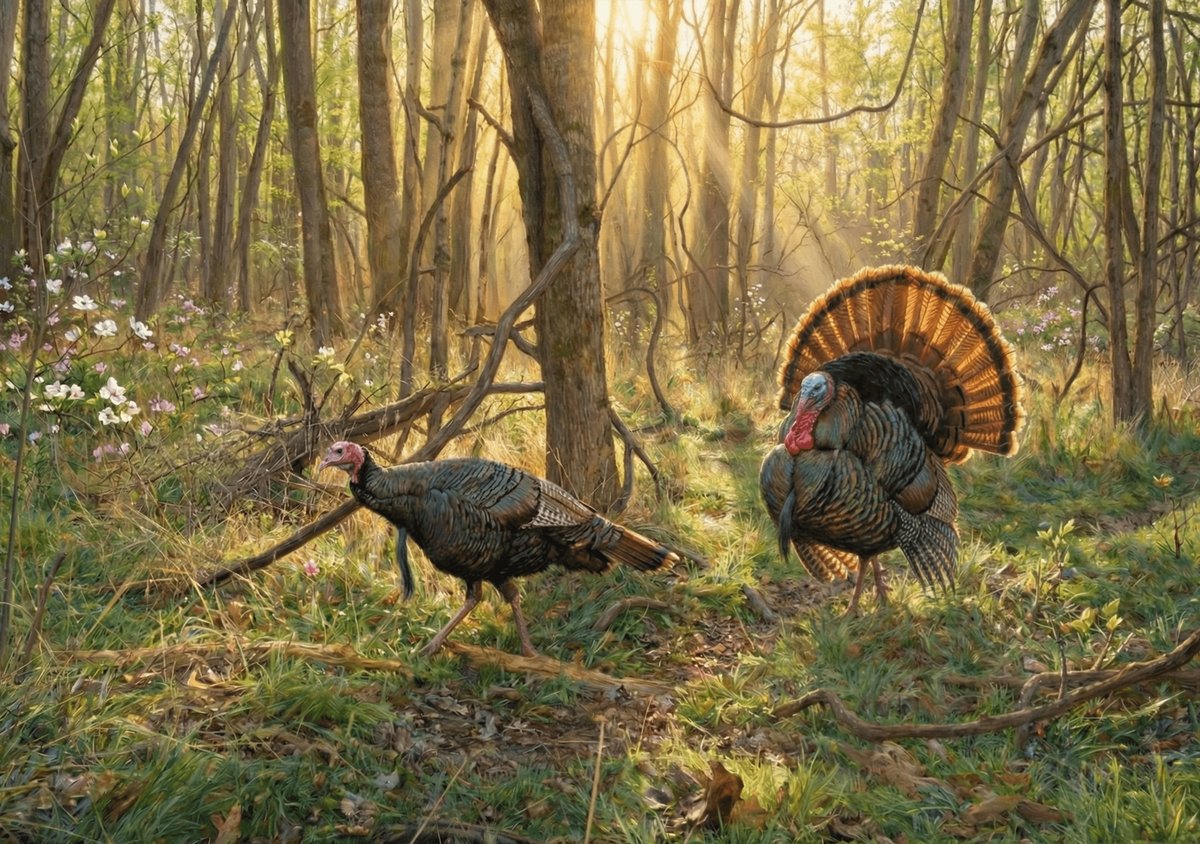
In the outdoors, distance changes everything—sound, detail, even how animals behave. A gobbler at 80 yards is a silhouette and a posture; at 20 yards you’re counting feather edges and watching his head shift when a hen talks back. Wall art works the same way.
Up close (2–4 feet): Smaller or medium canvases can be plenty. At that distance you’re reading details: the way a fox’s coat changes tone at the shoulder, or the subtle blue in snow shadow. Close viewing favors pieces with fine texture and nuanced color transitions.
Mid-range (5–8 feet): This is where most living rooms land. Medium-to-large sizes feel best because the image still holds detail without you leaning forward. If you’ve got a piece with multiple subjects—like two animals with different posture and expression—you want enough size that each one reads clearly.
Farther back (9–15 feet): Open layouts and high ceilings demand larger canvas print sizes. At that range, composition matters more than micro-detail. Strong lines, clear contrast, and a focal point you can find fast—like a deer’s chest in a beam of winter sun or the dark sweep of antlers against snow—keep the art from getting lost.
A winter wildlife scene is a great example: in deep cold, animals conserve energy, move with purpose, and bed where they can watch and save calories. A good winter canvas often has that same intentional “quiet” built into it—negative space, calm light, and a subject that feels braced against the season. That quiet reads best when the canvas is sized so your eye can settle into it instead of skimming past it.
If you want a piece that carries that late-season weight, Frostbound Companions is the kind of scene that benefits from a size where you can feel the cold—where the space around the animals matters as much as the animals themselves.
Choosing Canvas Print Sizes by Subject: Whitetails, Water, Birds, and Winter Timber
Different subjects “ask” for different sizes. That’s not artsy talk—it’s just how our eyes read shape and motion.
Whitetails and big game: Deer aren’t just bodies; they’re posture and tension. A buck slipping a fencerow at last light carries a different energy than a doe feeding relaxed in a cutover. Larger canvas print sizes tend to do big game justice because you need room for the environment: the edge habitat, the trail, the cover. Those details matter because whitetails live on edges—where hardwoods meet a field, where young pines meet briars, where wind and scent dictate movement. A canvas that includes those transitions feels real to anyone who’s glassed a bean field and watched deer stage in the last ten minutes of legal light.
River crossings and “decision” moments: Any scene that captures a threshold—water, a gate, a fence line, a narrow pass—feels better with enough scale for the viewer to step into it. Those are the same pinch points you look for when you’re scouting: spots where movement funnels because terrain makes the call. Pay The Toll has that sense of passage and consequence—exactly the kind of image that can anchor a room when it’s sized to let the space around the subject breathe.
Birds: Birds are detail and gesture. Whether it’s a songbird’s head angle, a raptor’s stare, or the clean lines of wings, your eye wants to get close. That means small-to-medium canvases can work extremely well, especially in places where you’ll stand nearby—like a kitchen nook, a hallway, or above a side table. A piece like Pretty Bird Oil is a natural fit when you want precision and presence without needing a massive wall.
Snow, timber, and winter homesteads: Winter scenes are about structure. In snow, you see the bones of the landscape: fence posts, barn lines, bare limbs, track patterns. Hunters know how revealing snow can be—every crossing tells a story, every set of tracks shows timing and direction. Art that leans into that stark clarity often looks best at medium-to-large sizes so the geometry of the scene lands. The Old Place is the sort of image that rewards a size big enough to feel the stillness, like standing outside before sunup with your breath hanging in front of you.
Measure Like You Scout: Simple Ways to Pick What Size Canvas Print You Need
You don’t need fancy tools—just the same practical mindset you use when you hang a stand or set a blind.
1) Tape it out. Use painter’s tape to mark the outline on the wall. Step back to your usual viewing spot. If it feels small, it probably is. Your eye should find the piece the way it finds a trail through open woods—naturally.
2) Mind the light like you mind the wind. Light can wash out a canvas or make it glow. If the wall gets hard afternoon sun, consider going a touch larger so the image still reads when the room brightens. If the wall is dim, a larger canvas helps carry presence without relying on perfect lighting.
3) Think in “story space.” Hunters don’t remember only the animal—they remember the place. If you want the art to feel like a memory of a whole morning (frost, timber, creek, quiet), pick a size that includes environment. If you want a punchy subject moment (a bird, a close portrait, a tight composition), you can go smaller without losing impact.
4) Don’t be afraid of going bigger in North Carolina homes. Around Milton and across the Piedmont, a lot of homes have open living areas that eat small wall art alive. If you’ve got a broad wall over a couch or a big open stairwell, a larger canvas doesn’t feel “extra”—it feels right, like wearing the right layer when the temperature drops and the wind starts working through the trees.
If you’re still torn, the best approach is to pick the scene you genuinely connect with—then choose a canvas size that matches how you want to experience it: close and detailed, or across-the-room and immersive. When you’re ready to look around, take a slow pass through Field & Fen Art’s full collection. Let your wall be the place where your favorite country—river edges, winter timber, birds on the move—stays with you all year.