 Field
Field 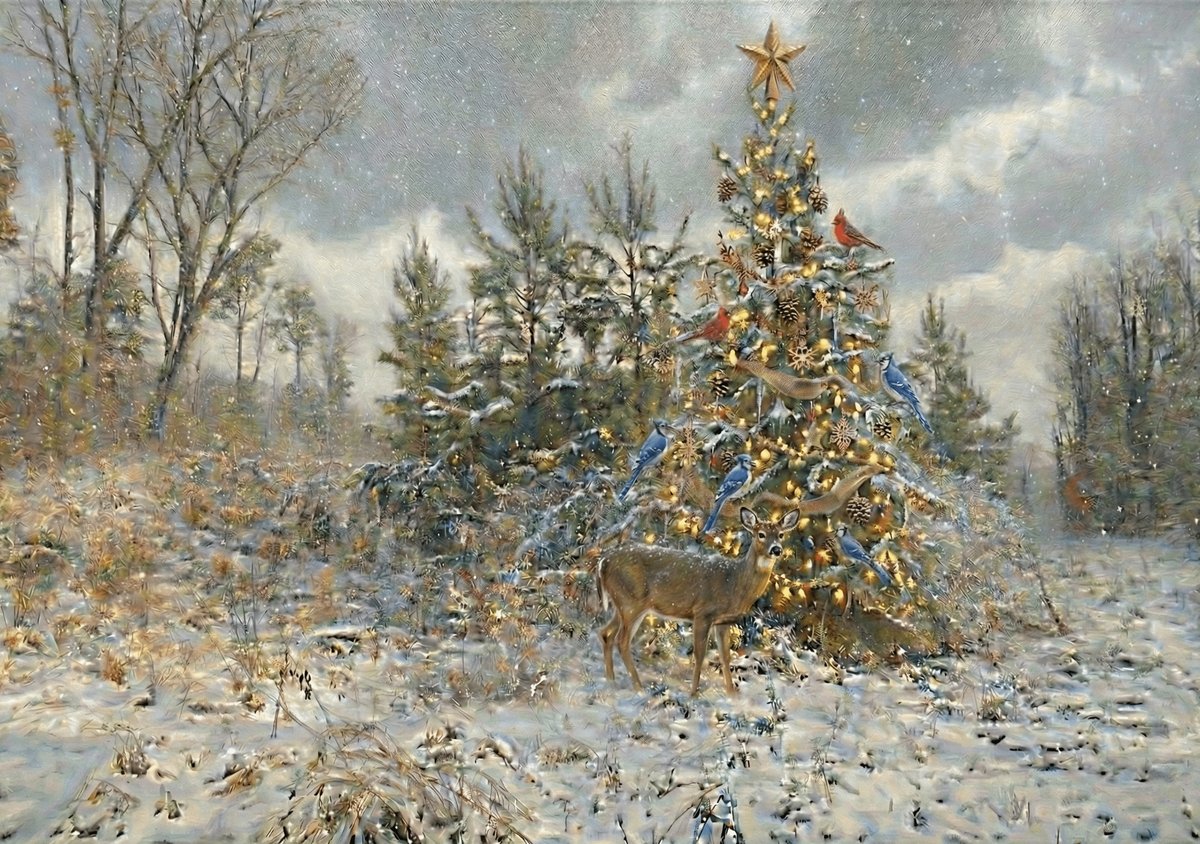
There’s something about Christmas wildlife art that hits different when you’ve spent real mornings in the timber—when you know what fresh snow sounds like under a boot and you’ve watched a whitetail materialize out of cedar shade like it was poured from the woods itself. Around the holidays, you’re not just decorating a house; you’re trying to bring a piece of that winter world inside. The right canvas print can do that—quiet, honest, and familiar—like the view from a stand at first light when the whole forest feels held in its breath.
At Field & Fen Art here in Milton, North Carolina, we’re all about that feeling: the kind of winter scene you recognize in your bones. Whether you’re a deer hunter counting days between cold fronts or you just live for frosty mornings and woodsmoke, festive wildlife artwork can turn your living room into a place that feels like camp.
Christmas Wildlife Art That Feels Like a Real Winter Morning
If you hunt—or even just spend time outdoors—you know winter isn’t one single look. Early December woods can be all copper leaves and bare limbs, while late-season can go gray-blue with stiff wind and iced-over puddles. Good Christmas wildlife art respects that variety. It doesn’t just slap a red bow on a deer and call it “holiday.” It captures the way winter actually behaves.
Take the light, for instance. Winter sunlight comes in low and sideways, and it changes everything. It turns breath into a visible ribbon and makes a deer’s backline glow for a second when it steps into an opening. In the evening it can wash the understory in a warm, honey tone even when the air is sharp enough to sting your lungs. When you hang a winter scene that gets the light right, you’re not just adding décor—you’re adding a memory trigger.
And the woods sound different in winter, too. Leaves are down, so movement carries. A squirrel hopping limb-to-limb sounds like a raccoon sometimes, and a doe picking her way through frozen oak leaves can be heard long before she’s seen. The best festive pieces make you remember that quiet “broadcast” effect of winter—how you listen harder, how your eyes hunt for horizontal lines and the flick of an ear.
If you want a holiday piece that still feels wild, start with something that respects the animal and the season. A favorite for that is Wild Christmas—a festive scene that keeps the outdoors front and center instead of turning wildlife into a cartoon. It’s the kind of print that fits right in with cedar garland and pine-scented air, but still feels like the woods you know.
Winter Deer Art: What Whitetails Are Really Doing in December
Winter deer art lands harder when it matches real whitetail behavior. By Christmas, a lot of the rut drama has cooled off, but the story isn’t over—it’s just shifted. Mature bucks that ran themselves thin in November are often in recovery mode. Their priorities tighten down to calories, cover, and not wasting energy. That’s why late-season deer movement can look “patternable” again, especially around consistent groceries like cut corn, winter wheat, acorns that hung late, or browse lines along edges.
If you’ve hunted late season, you’ve seen how deer use thermal cover. In the Piedmont and foothills, that might be thick pines, cutover edges, or laurel pockets that break the wind. Up in more open country, it could be south-facing slopes where the sun warms the ground and melts frost first. Those choices show up in good winter deer art: deer tucked tight to cover, traveling just inside the timberline, staging before stepping out to feed when light gets soft.
Does are often the metronome of December. They’ll lead fawns to food, then bed with a wind advantage and a view. When snow or hard frost hits, they’ll favor packed trails and old logging roads—anywhere that saves energy. Bucks will shadow those same routes but tend to move a little later, a little more cautiously, especially if pressure has been high. A winter scene with a buck holding back in the shadows, nose testing the wind, feels true because that’s what your late-season sits look like.
Even in North Carolina, where winter isn’t always white, cold snaps change the woods overnight. A strong front can push deer into earlier movement, and those crisp evenings after a high-pressure day can be the kind that make you forget about numb fingers. That’s the vibe you want on your wall: not “Hallmark winter,” but the real December woods—subtle, watchful, and alive.
Holiday Nature Decor Inspired by Tracks, Sign, and Snow (Even When There Isn’t Any)
Not every Southern Christmas comes with snow, but winter still leaves a signature if you know how to read it. Mud on a creek crossing shows you who’s been using it. Frost highlights tracks in a way dry ground never will. And when leaves are down, rub lines and old scrapes show up clearer—like the woods is finally letting you see the story it’s been writing all fall.
That’s why holiday nature decor works best when it’s rooted in details. A canvas print that hints at a creek-bottom travel corridor, a pinch point between thick bedding and an open feed area, or a ridge trail under bare oaks will feel familiar to you because you’ve scouted those exact places. You can almost smell the cold water and leaf mold. You can almost hear a crow complaining somewhere back in the timber.
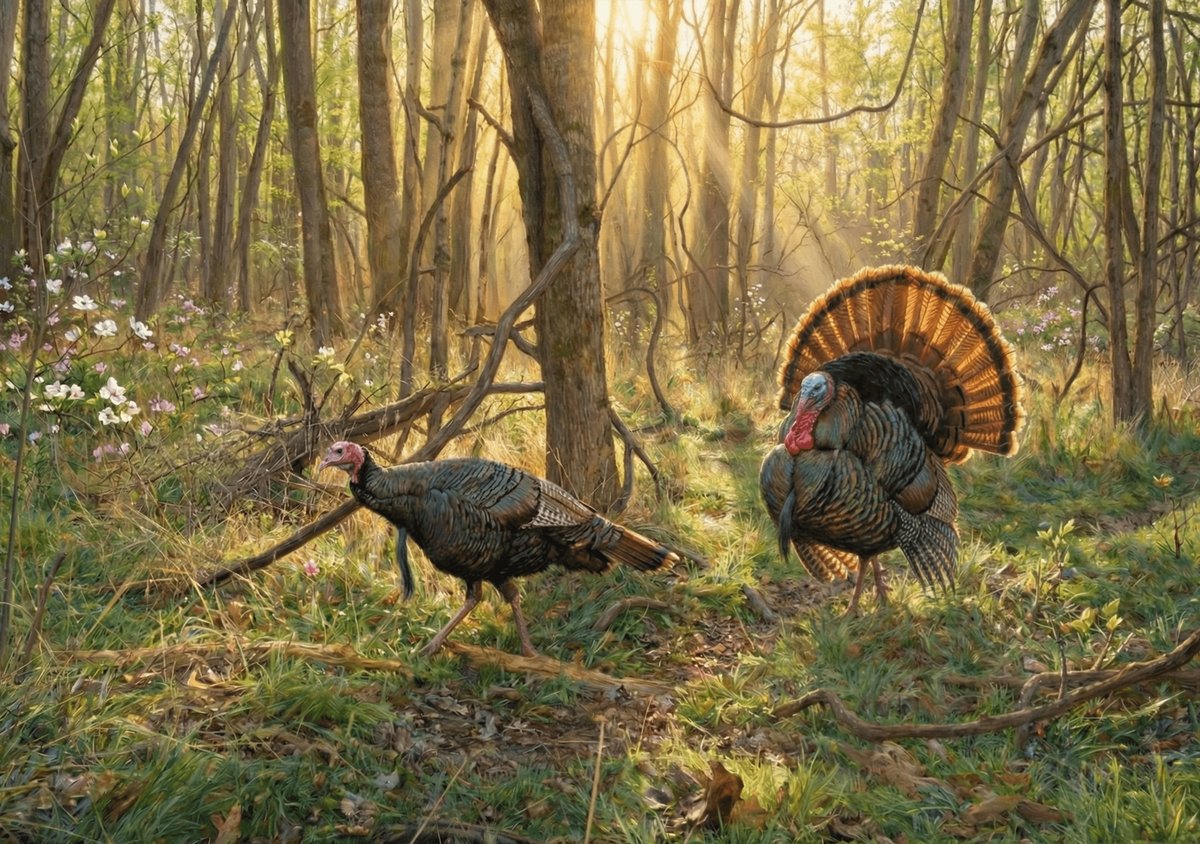
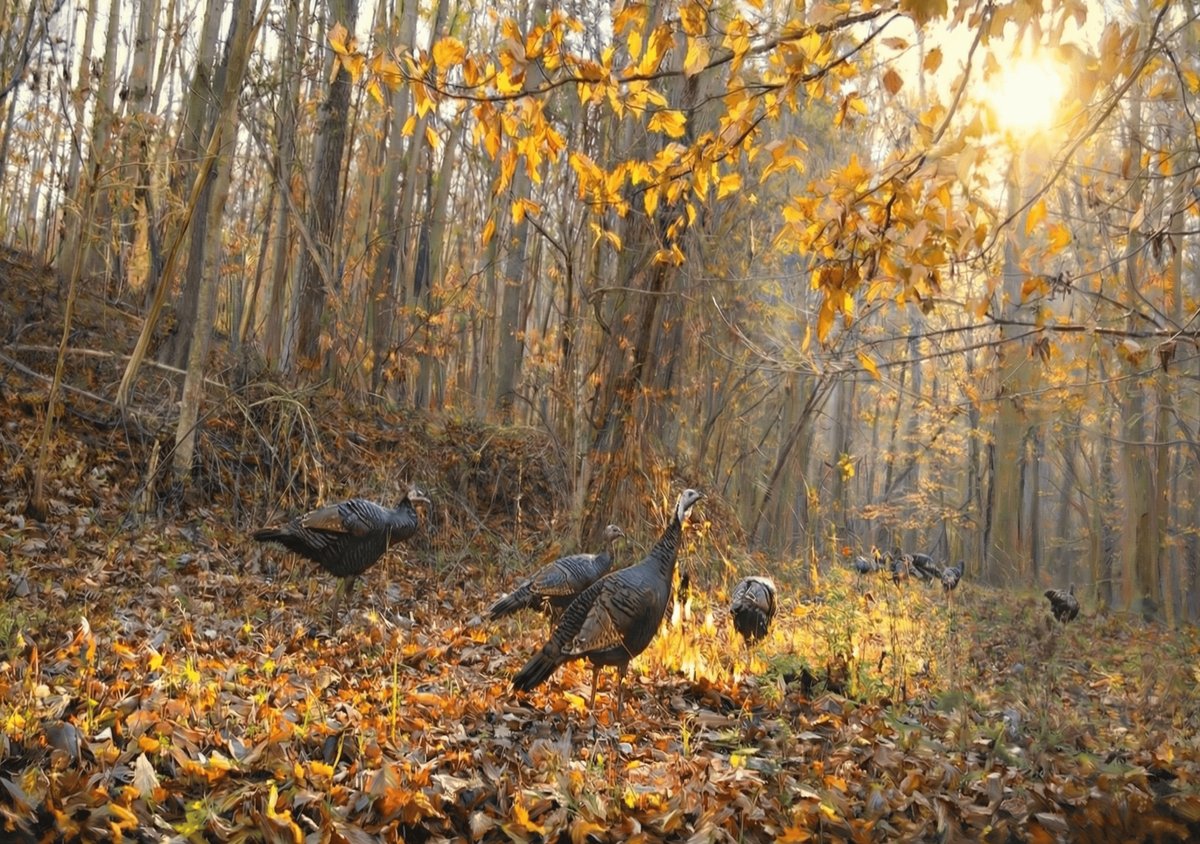
And here’s a detail folks overlook: winter woods have more visibility, which changes how animals move. Deer will use shadows and terrain like cover, hugging the downwind side of ridges or slipping along ditch lines. Turkeys will scratch leaf litter under big hardwoods, then slip into pines to roost where the wind’s quieter. Coyotes will cruise field edges with a confidence you don’t see as much when cover is thick. When artwork respects that “leaf-off” reality, it becomes more than seasonal—it becomes accurate.
If your home already has antlers, old maps, or a couple of well-earned trail camera photos framed up, holiday nature decor doesn’t need to be loud. It can be a winter scene that matches your year: the mornings you froze, the evenings you stayed until last light, the tracks you followed just to see where they went.
Festive Wildlife Artwork for Hunters: Building a “Cabin Wall” Feel at Home
You don’t need a log cabin to make your place feel like camp. You just need art that carries that same honesty—wildlife portrayed with respect, landscapes that feel lived-in, and scenes that bring you back to why you go outside in the first place.
Think about where you hang winter pieces. A hallway can feel like a trail—one print leading you deeper. An entryway is a perfect spot for something that sets the tone the moment you come in, like you’re stepping from the yard into the timber. Over a mantel, a winter wildlife canvas becomes the anchor: it plays well with garland and lights, but it also holds its own when the decorations go back in the attic.
And don’t be afraid to mix the “holiday” with the “field.” A single festive scene can sit right next to a non-seasonal whitetail portrait or a marsh print and still make sense. That’s how real outdoors lives, anyway. Christmas falls right in the middle of late-season scouting, waterfowl migrations, and cold-weather hikes. Your walls can reflect that rhythm.
If you want one piece that nods to the season without giving up the grit of the woods, Wild Christmas is a strong pick. It reads as Christmas, but it still reads as wildlife first—which is exactly the balance a hunter’s home tends to lean toward.
Christmas Wildlife Art That Lasts Past the Holidays: Choosing Scenes with Year-Round Soul
The best Christmas wildlife art doesn’t feel “expired” on December 26th. It feels like winter—like the long season that stretches from first frost through the back end of January. That’s why it pays to choose scenes that are more about the outdoors than about holiday props.
Look for artwork that captures timeless winter truths: animals grouped for security, soft light filtering through bare limbs, a calm edge where food meets cover, or that quiet moment when the wind lays down and everything feels close. Those are scenes you’ll still love in February, and honestly, even in July when you’re sweating and missing cold air.
Also consider the kinds of winter you actually know. In North Carolina, winter woods might mean brown leaves underfoot, long views through hardwoods, and pines holding the green. It might mean a frosty pasture, a creek that runs clear and cold, or the way cut fields look after harvest. When your art matches your landscape, it doesn’t just decorate—it belongs.
If you’re in the mood to explore more than one vibe—deer, waterfowl, woodland scenes, and everything in between—you can browse the full collection and find the pieces that fit your season and your stories. No rush, no hard sell—just take a look and see what feels like the woods you carry with you.