 Field
Field 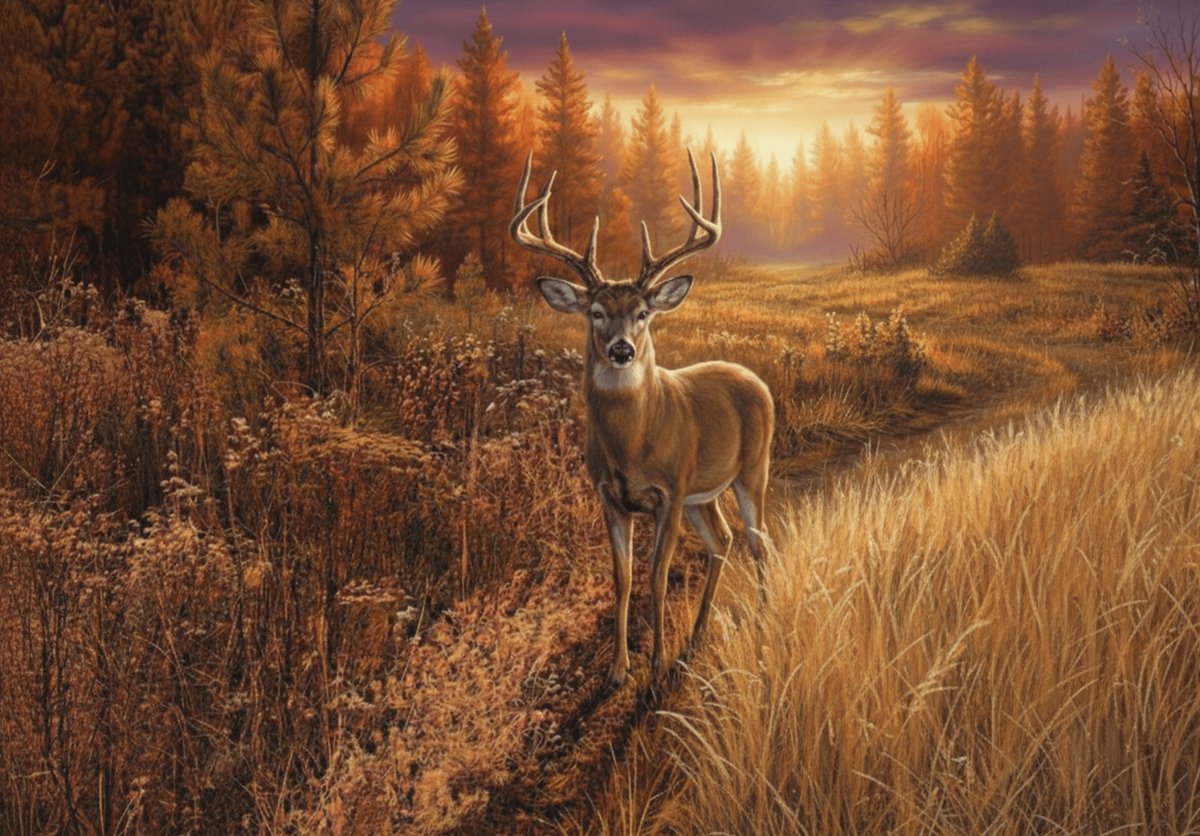
Any hunter who’s spent enough mornings behind glass knows the truth: the best wildlife moments don’t last long. A buck slips through a gap in the pines and vanishes. A flock of woodies drops into the hole like they were poured out of the sky. A bobwhite holds tight, then explodes into flight when you’re already mid-step. Understanding how wildlife art is made means understanding how an artist grabs those blink-and-you-miss-it details—behavior, light, posture, and place—and turns them into something you can live with on your wall.
At Field & Fen Art in Milton, North Carolina, the goal isn’t just “a pretty animal.” It’s the feel of a cold ridge at first light, the tension in a rutting deer’s neck, or the comfort of a familiar homestead in winter. Here’s what the wildlife art process looks like, from reference photo to finished canvas print you can hang in camp, the den, or right beside your gun safe.
1) Reference Photos and Field Time: The Start of the Wildlife Art Process
Most folks assume wildlife art starts with a brush. More often, it starts with boot leather, patience, and a camera (or a folder of hard-earned references). A good reference photo isn’t just “sharp.” It tells the truth about an animal’s structure and attitude. Hunters know that truth instinctively: a deer doesn’t carry himself the same in late October as he does in January. A gobbler’s posture changes with mood—strutting and inflated versus cautious and tight. Even a fox on snow reads different than a fox in summer grass, because cold changes how everything moves.
When an artist collects references—or chooses them from trusted photographers—behavior matters as much as anatomy. The angle of a whitetail’s ears can be the difference between “relaxed and feeding” and “locked in on something that feels wrong.” The tilt of a duck’s head while it’s backpedaling into the wind gives away the moment before it commits. Those are the cues you’re already reading in the woods, and they’re the cues that make artwork feel alive instead of staged.
And then there’s the place itself. In the Carolinas, you’ve got hardwood bottoms, pine plantations, cutovers, creek edges, and old fields—each with its own color palette and texture. Frost on broomstraw doesn’t look like frost on oak leaves. River fog softens edges in a way you can’t fake if you’ve never watched it lift. Good wildlife art respects that, because the landscape is part of the animal’s story.
2) Composition and Story: How Wildlife Art Is Made to Feel Like a Real Moment
Once the reference is chosen, the artist starts making decisions that aren’t obvious at first glance: where the light comes from, what gets sharp detail, what gets softened, and what the animal is “doing” in the frame. This is where the piece becomes more than an illustration—it becomes a moment you recognize.
Think about a whitetail buck in the rut. His chest looks heavier, neck swollen, and his face can carry that hard, almost Roman look when testosterone is up. If the art shows him with a delicate summer neck and a sleepy eye in a “rut scene,” it won’t ring true to you. The same goes for predators: a coyote trotting with purpose has a different line through the body than one mousing in a field. And birds? If you’ve watched a covey run ahead of a dog, you know how low and urgent their posture is right before they flush. Capturing that energy is part of the job.
Composition also decides the emotional temperature of a piece. A tight crop on an animal’s face can feel intimate—like you’re at bow range and holding your breath. A wider view with weather and habitat can feel like a memory of a whole day. For a strong “place” piece, a winter scene like The Old Place leans into that wider story: the hush of cold air, the weight of snow, and the kind of quiet that makes you think about the folks who worked that land before you.
In other pieces, the story is built around companionship, tension, or the small interactions you notice when you’re not in a hurry. A winter wildlife scene like Frostbound Companions taps into that feeling of shared weather—animals enduring the same bite of cold you’ve felt in your gloves while waiting on first light.
3) Sketch to Paint: The Wildlife Art Process of Building Form, Fur, Feather, and Light
With a plan in place, the work gets technical. The sketch stage locks in anatomy, proportion, and gesture—the underlying “truth” that keeps a piece from looking stiff. This is where experience shows. A deer’s legs aren’t just four sticks; each joint has a purpose, and the way weight rests on a hoof changes with terrain. A bird’s wing isn’t a flat shape; it’s layered feathers with a structure that dictates how it folds and opens.
From there, the painting phase is often built in layers. Even if you’re looking at a finished canvas print later, the original art typically develops from big shapes to small details. Background tones go in first to establish atmosphere—overcast gray, late-afternoon gold, blue-shadowed snow. Then the animal is brought forward with value and contrast.
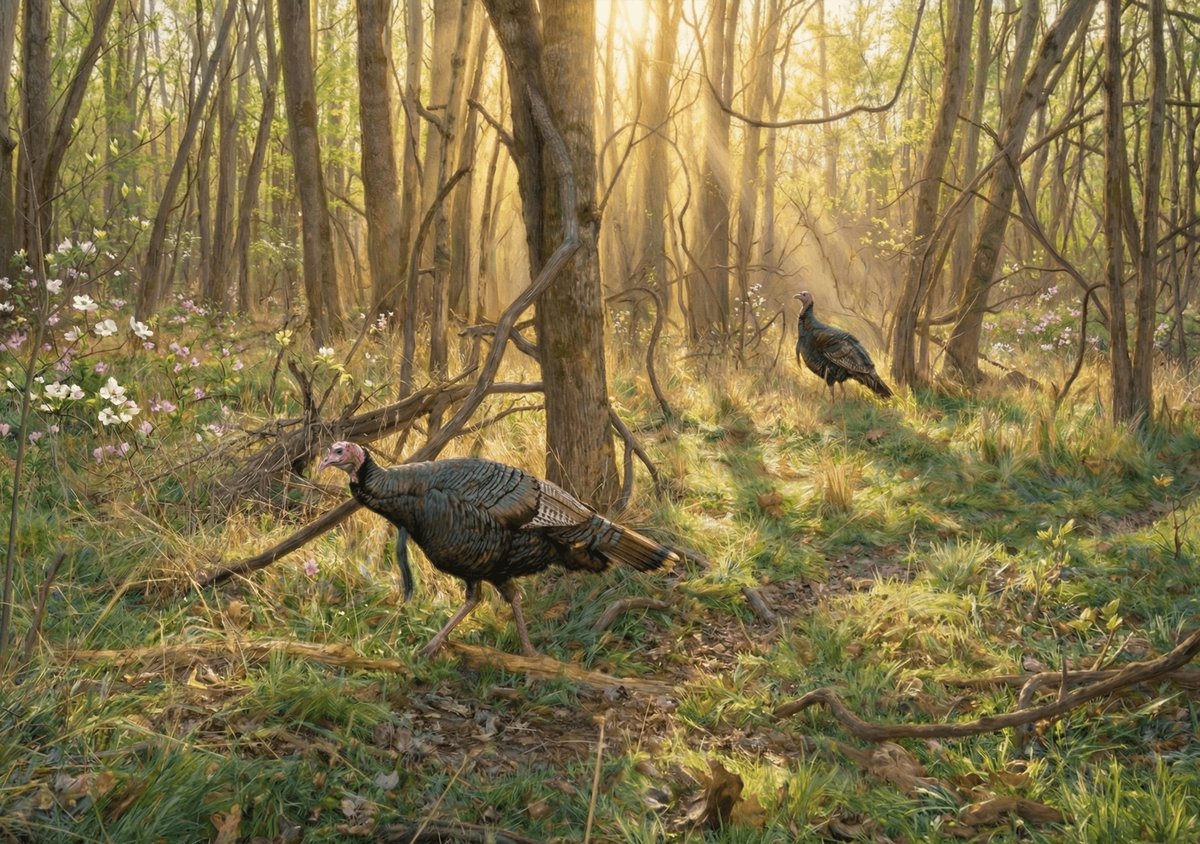
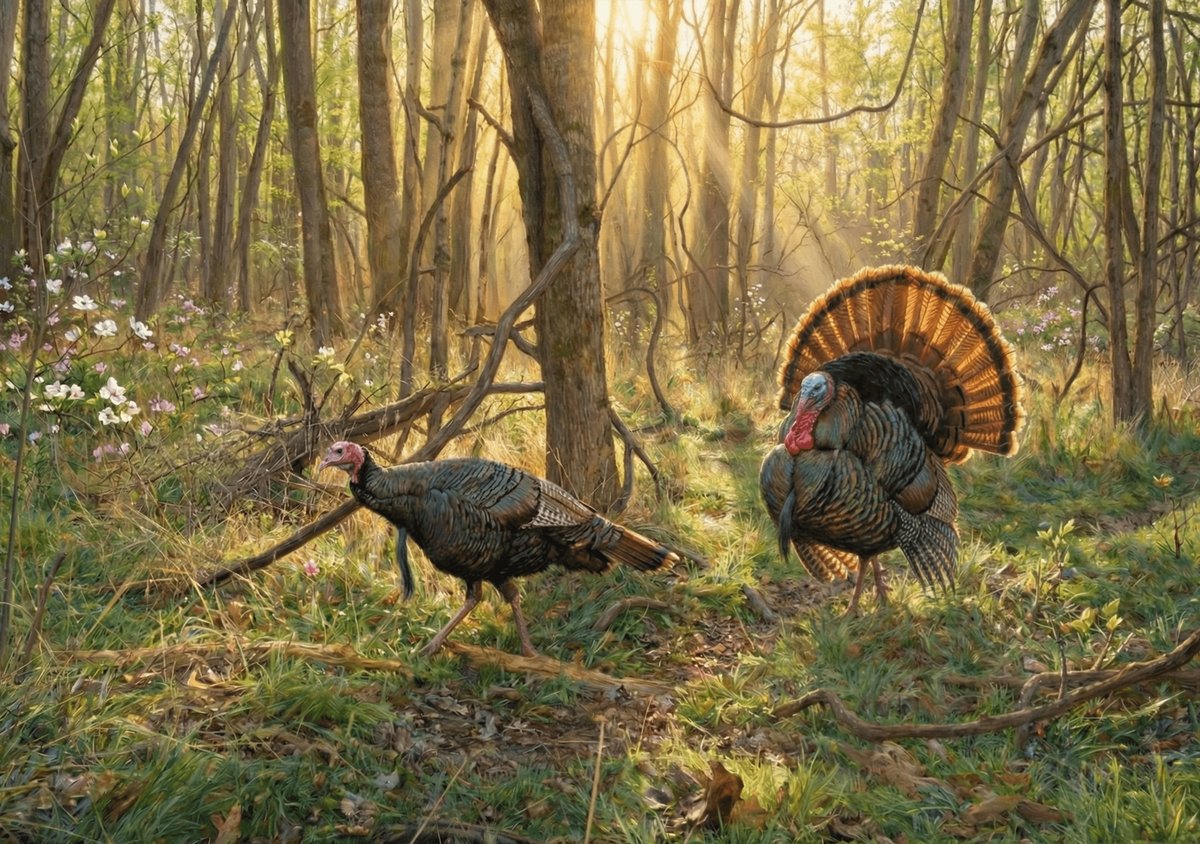
Fur and feathers are where wildlife art can either sing or fall apart. Good fur isn’t “hair drawn one by one.” It’s mass, direction, and light. A winter coat on a canine looks thicker, with longer guard hairs that catch frost along the back and shoulders. A whitetail’s hollow hair reflects light differently than a slick-coated summer deer. Feather detail is even more unforgiving: a turkey’s iridescence isn’t just “shiny”—it’s a shift of greens, bronzes, and purples depending on angle and light source. If you’ve ever picked up a fan and watched it change color as you turn it, you know exactly what the artist is chasing.
Sometimes a piece is about motion and attitude more than anything else. A scene like Pay The Toll isn’t just an animal portrait—it’s a behavior moment. Hunters recognize those charged seconds when a creature is committed to doing what it’s doing, consequences or not. That sense of decision—ears set, eyes hard, body angled with intent—is what makes the image feel like a story instead of décor.
And sometimes it’s about the small, honest beauty you notice when you slow down. Birds are a perfect example: their color is often subtle until light hits it just right. A piece like Pretty Bird Oil speaks to that appreciation—the kind you get when you’re leaning on a fencepost watching the hedgerow, or when you’re walking out after a hunt and realize the day gave you more than meat.
4) From Original to Canvas Print Creation: Color, Texture, and Proofing
Turning finished artwork into a canvas print isn’t a copy-and-paste job. Canvas print creation is its own craft, because you’re translating paint (or original media texture) into a printed surface that still feels rich and dimensional. If it’s done wrong, you get muddy shadows, blown highlights, or colors that drift away from the mood of the original.
Here’s what matters in that translation:
Color accuracy: A winter scene should carry that blue-cold shadow without turning cartoonish. A sunrise should glow without becoming neon. Earth tones—dried grass, oak bark, wet soil—need to stay believable, because you’ve seen them in real life a thousand times.
Value and contrast: Wildlife art lives and dies by value. The “roundness” of a deer’s shoulder, the depth of a bird’s chest, the separation between subject and background—those are value problems. Proofing ensures the darkest darks and lightest lights still hold detail after printing.
Texture translation: Canvas has its own tooth. A good print setup respects that surface so fine feather edges don’t turn fuzzy and soft atmospheric backgrounds don’t get grainy.
Scale and presence: A piece that feels perfect on a screen can feel totally different at 24 or 36 inches wide. Proofing and sizing decisions are about how the art “reads” from across the room—just like how you judge an animal’s silhouette at distance before you ever see antlers or color.
This is the point where the art becomes something you can live with daily—something that holds up whether it’s in a bright living room or a low-lit trophy room where the main light is a lamp over the recliner.
5) Finishing Touches and Choosing the Right Piece for Your Wall
The last step isn’t only production—it’s matchmaking. Wildlife art hits hardest when it connects to the way you spend time outside. If you’re the kind of hunter who measures years by cold fronts and rut phases, you might lean toward pieces with weather, breath, and that tight, quiet tension of winter woods. If your best memories are tied to a particular property—an old family place, a lease you’ve hunted for years, or a forgotten corner of public land—then “place-based” art will feel like home every time you walk past it.
One thing that helps is paying attention to what you talk about after a hunt. Do you remember the shot—or do you remember the way the fog lifted off the creek? Do you remember the rack—or the way that buck paused to scent-check a scrape line before stepping out? The art you’ll keep loving is the art that mirrors what you actually cherish.
If you want to see what that looks like across different subjects and seasons, take a slow walk through the full collection. Not to “buy something,” just to notice what stops you—what feels like a morning you’ve lived, or one you’re still chasing.
When you’re ready, pick the piece that brings the outdoors back into your day—whether that’s a hard-edged moment like Pay The Toll, a winter bond like Frostbound Companions, the quiet familiarity of The Old Place, or the simple beauty captured in Pretty Bird Oil.