 Field
Field 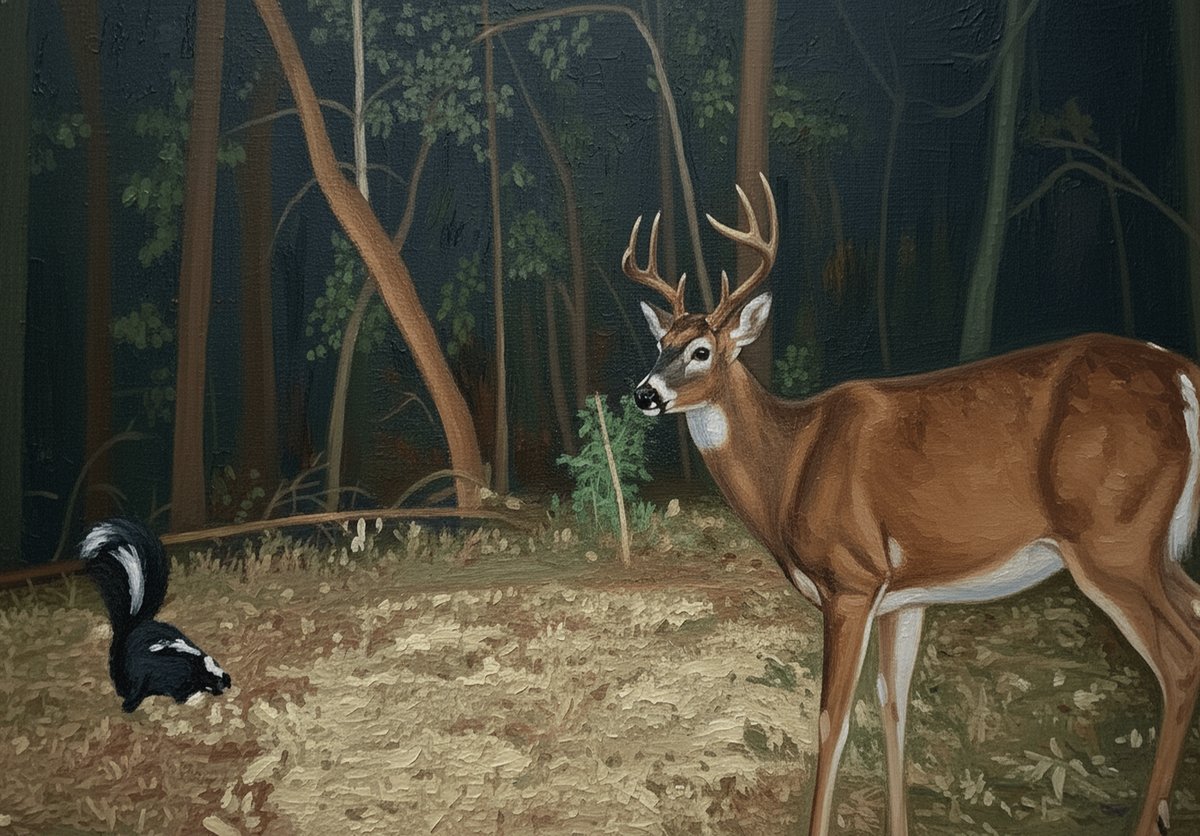
Lodge decor isn’t about turning your house into a staged “cabin theme” from a catalog—it’s about building a room that feels like your kind of country. The best outdoor-themed room carries the same quiet confidence as a well-worn rifle sling or a favorite pair of boots: practical, honest, and full of stories. If you hunt, fish, or just spend enough time outside to notice the way the woods change hour by hour, you already know what makes a space feel right. This is about translating that into walls, light, and texture—so when you step inside, you still feel close to the timberline.
Below are the choices that separate a real lodge feel from generic “rustic.” We’ll talk scale, placement, light, and color—but also the kind of wildlife behavior you’ve watched from a stand or blind, because that’s the heartbeat of hunting lodge wall art that actually belongs in your home.
Start With Real Lodge Decor: Let the Landscape Set the Rules
Before you hang anything, decide what outdoor “place” your room is trying to be. Not a fantasy lodge—your place. Is it a Piedmont hardwood ridge with white oaks and red clay? A river-bottom that smells like sweetgum leaves after rain? A high-country spruce line where everything feels sharp and clean? The land you know best should set your palette.
Here’s a simple way to nail it: pick three colors you see outside in your season. Early whitetail season is all dusty greens, bark-gray, and sun-faded tan. Late season shifts to slate, brown leaf litter, and that pale, cold light that hits before a front. Waterfowl country brings weathered reeds, muddy banks, and the steel-blue of open water under a low sky. Those colors should show up in your textiles (wool throws, leather, canvas), your wood tones, and especially your wall art.
It also helps to think in “textures of the field.” Rough-sawn wood reads like old fence posts. Oiled leather reads like a saddle that’s seen miles. Woven wool reads like a cold morning in a box stand when the wind won’t lay down. When your lodge decor matches the textures you’ve actually touched outdoors, the room feels grounded—like it’s yours.
Hunting Lodge Wall Art That Feels Earned (Not Staged)
Good hunting lodge wall art doesn’t shout. It pulls you in the way a fresh rub line does—quiet at first, then unmistakable. The best pieces carry a sense of behavior: animals doing what they do when nobody’s trying to pose them.
Think about what you’re really drawn to in the woods. A mature buck rarely marches in like a postcard. He slips edges, checks wind, pauses behind cover, and uses terrain like a map. You’ve seen it: that moment when a deer stands quartering away, nose testing the air, ears pivoting independently like radar dishes. Or the way a flock of ducks flares once—just once—if they catch the wrong shine off the water. Wildlife is movement, caution, and rhythm. When your artwork reflects that truth, it belongs in a hunter’s space.
If you like a piece that captures that “wary but committed” feeling—the moment before the woods changes—take a look at Pay The Toll. It carries that sense of consequence you feel in hunting: the pause, the decision, the weight of the next step. Hang it where you’ll see it often—above a mantle, over a gear bench, or in the hallway that leads to the back door—so it becomes part of the room’s story instead of just decoration.
One more tip hunters appreciate: match the subject to the room’s use. A living room where folks swap stories can handle a bold, dramatic piece. A bedroom or reading nook usually wants quieter wildlife—something that feels like dawn rather than midday.
Build an Outdoor-Themed Room Around Light, Time, and Season
Outside, light is everything. You plan sits around it. You pick a stand based on where the sun will rise. You know the difference between a calm, bright high-pressure morning and that gray, steady pre-front drizzle that gets deer on their feet early. Your outdoor-themed room should respect that same truth: the way your space is lit will either support your art—or fight it.
Use warm, directional lighting that behaves like late-afternoon sun in the timber. Wall sconces and picture lights work well because they create contrast and depth—similar to how shadows pool under hemlocks or how a cutover edge holds darkness longer than an open field. Overhead lighting alone flattens everything, like a cloudy noon that makes the woods look washed out.
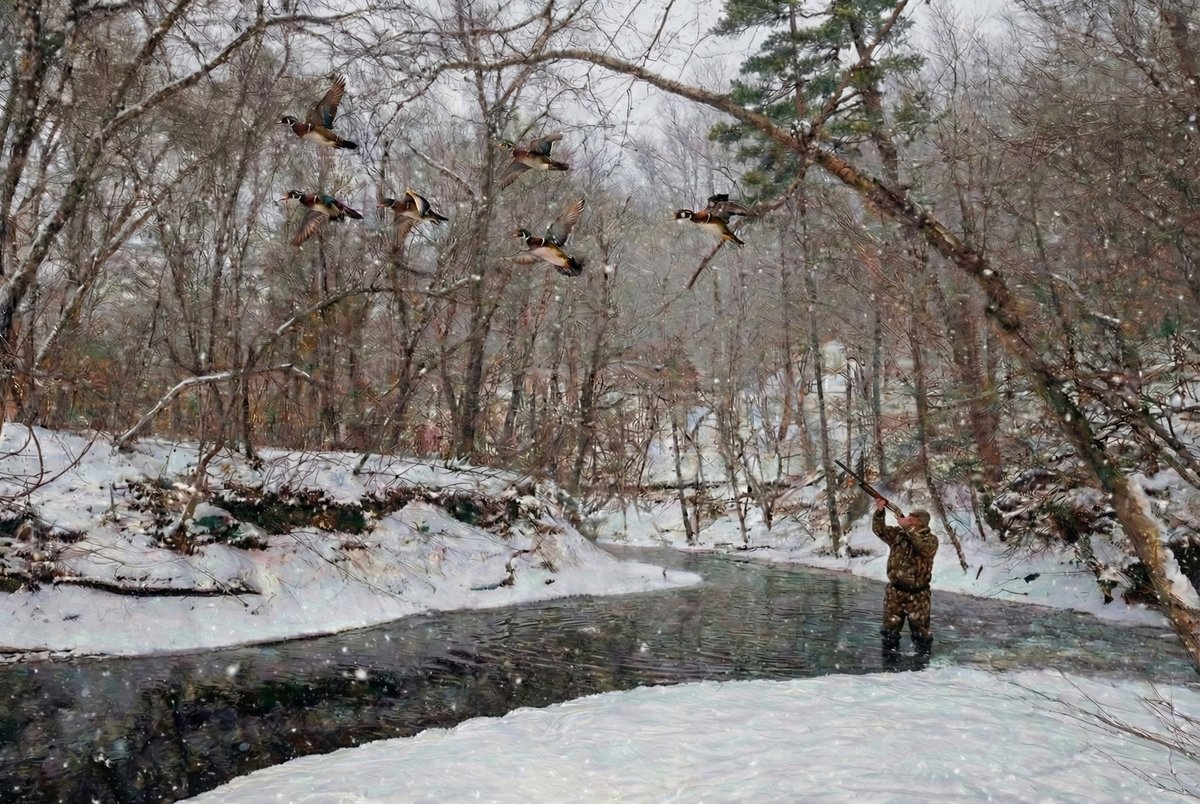
Season matters, too. A winter room can carry sharper contrast—white, charcoal, deep browns—like the clean edges you see after a hard frost. That’s why a piece like Frostbound Companions works so well when your decor leans toward late-season comfort: heavy blankets, dark wood, a place to hang a coat that smells faintly of smoke and cold air. It’s the visual equivalent of that quiet midmorning when the sun finally hits the south-facing slope and everything starts to move again.
If your room is more early-season—lighter wood, more open space—consider bringing in art that feels alive and alert rather than stark. Birds are perfect for this. Anyone who’s sat still long enough knows birds are the woods’ first alarm system. Jays scold what they don’t understand. Crows gather and comment on everything. Small songbirds go quiet when a predator slips in. That natural “soundtrack” makes bird art feel true to the outdoors, not just pretty.
A piece like Pretty Bird Oil can brighten a space without turning it into a craft-store cabin. Hang it near a window where real morning light can play across it—because that’s when birds are most themselves, and your room will feel that energy.
Placement and Scale: Where Hunting Lodge Wall Art Actually Works
In a real lodge—or any hunter’s home—walls have jobs. There’s the spot where you hang keys and a hat. The corner where the dog sleeps. The chair that faces the window because you like to see weather coming. Your art should fit the way you live, not force you to live around it.
Use these field-tested placement rules:
1) Anchor the “story wall.” Pick one wall—usually above the mantle, behind the main couch, or in the entry—and make it the room’s visual campfire. That’s where you hang your primary piece. People naturally gather around it the way they gather around a fire ring.
2) Match scale to distance. If you’ll view the art from across the room, go larger or choose a piece with strong shapes and contrast. Fine detail is like reading tracks at last light—you won’t get much from ten yards away.
3) Give the animal space. Wildlife needs “air” around it. Crowding a powerful subject with cluttered shelves can feel like pushing deer into the open when they want cover. Leave breathing room so the piece can do its work.
4) Hang it at a natural sightline. Eye level for most adults is a good starting point, but in a lodge-style room you often sit more than you stand. If your primary seats are low and relaxed, consider hanging art an inch or two lower than standard gallery height so it meets you where you are.
If you’ve got a room that leans nostalgic—old family photos, a well-used gun cabinet, maybe a map with hand-marked waypoints—lean into artwork that carries “place memory.” The Old Place does that well. It has the feel of a farm or homestead in the cold months, the kind of setting where you can almost hear a gate creak and feel the hush that settles right after sunset. Put it where it can work like a window—at the end of a hallway, above a sideboard, or anywhere you want to create depth.
Finish Your Lodge Decor With Honest Materials and Small Details That Matter
The difference between an outdoor-themed room and a room that just bought “rustic stuff” is restraint—and real materials. Choose fewer things, but choose the right things.
Wood: Let grain show. Scratches and wear aren’t flaws; they’re character. If you’ve ever run your hand along a ladder stand that’s been out a few seasons, you know that used surfaces feel right.
Leather and canvas: These read like gear. A leather chair, a canvas duffle, an old shooting bag—these are lodge decor staples because they belong to the same world as hunting.
Wool and flannel: They soften the room the way a good base layer softens a cold morning. They also quiet sound, which matters more than people think. A lodge should feel calm.
Natural accents: Keep it tasteful. A few shed antlers on a shelf can feel authentic if they’re yours and they’ve got a story. The key is not turning the room into a trophy wall unless that’s the true purpose of the space. Even then, balance it with art so the room stays warm and welcoming rather than harsh.
And don’t forget the “sense memory” pieces: a small boot tray by the door, a hook for a coat that still smells like cedar and woodsmoke, a framed map of the public tract you learned on. These details make your lodge decor personal, and personal always wins.
When you’re ready to pull it all together, browse Field & Fen Art’s full collection and look for the pieces that feel like your season, your woods, and your kind of quiet. If a print makes you pause the way you do when you cut a fresh track crossing your trail—take that as a good sign. It means it belongs on your wall.