 Field
Field 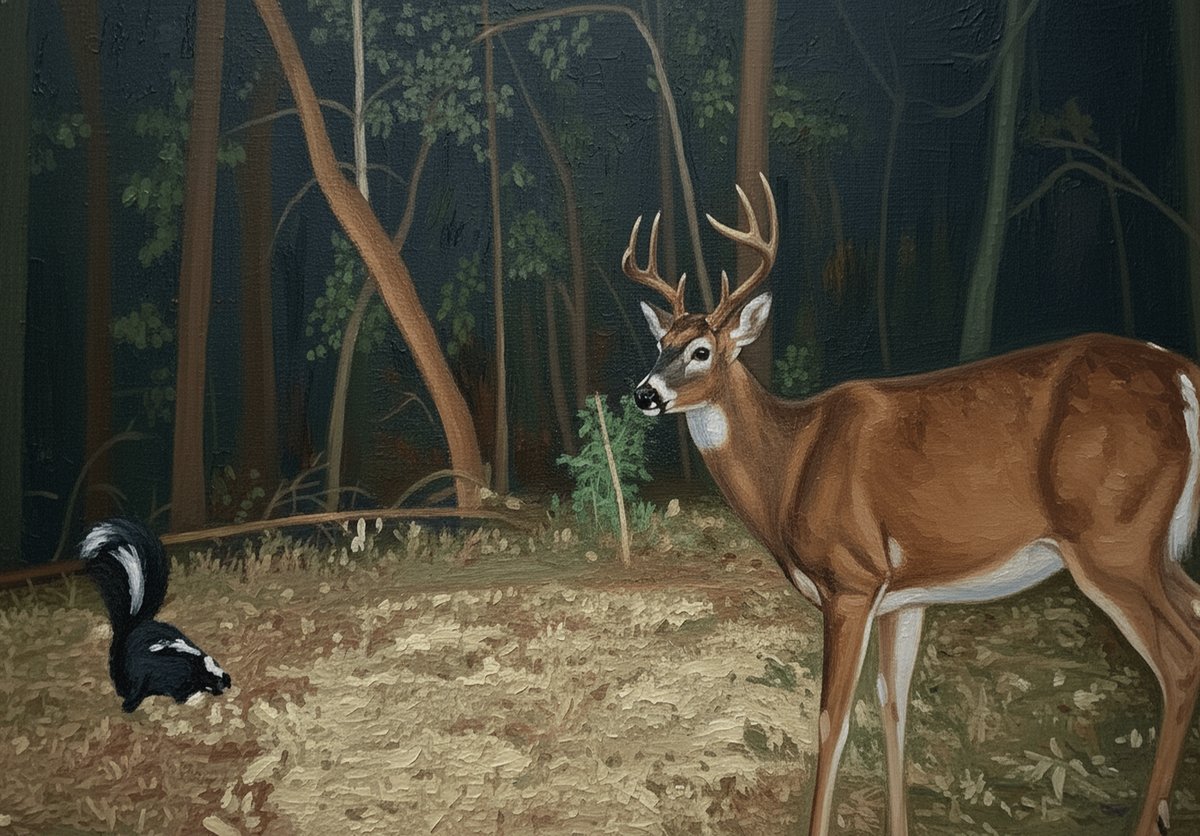
There’s a difference between man cave wall art that fills space and wall art that feels like your kind of country—cold mornings, boot leather, woodsmoke, and the quiet confidence of a place where the outdoors still runs the calendar. If your walls are going to tell a story, they ought to look good doing it. Wildlife canvas prints can absolutely pull that off, but only when they’re chosen with the same care you’d use picking a stand site: right wind, right cover, right vibe.
At Field & Fen Art in Milton, North Carolina, we’re into that sweet spot where field knowledge meets good design. The goal isn’t to turn your room into a taxidermy showroom. It’s to build a space that feels like you—whether you’re the guy who watches a bean field at last light, the turkey hunter who lives for that first gobble, or the bird dog person who swears they can smell quail cover from the truck.
Man Cave Decor That Feels Like the Outdoors (Not a Theme Park)
The best man cave decor doesn’t try too hard. It feels earned. Think about the places that stick with you: a creek crossing where you’ve watched tracks gather in the mud, a white oak flat that smells like leaf mold and acorns, a frosty cutover where every sound carries. Great wildlife art should do the same thing—pull you back into a moment you know in your bones.
Here’s the trick: choose pieces that show behavior, not just an animal “posed” in the woods. A mature buck doesn’t live his life broadside in perfect light. He slips edges, uses terrain, and lets thermals do the work. A good print that hints at those realities immediately looks more authentic on the wall—because it’s honest. You don’t have to explain it to anyone; the guys who know will know.
If you’ve ever watched deer file through a pinch point one at a time, you understand why movement and tension matter in art. That’s why a piece like Pay The Toll hits so hard—it carries that “something’s about to happen” energy that feels like waiting on the right trail when the woods finally start to wake up.
Wildlife Prints for a Man Cave: Match the Species to Your Story
When you’re picking wildlife prints man cave style, start with what you actually chase or love watching. That’s not gatekeeping—it’s the easiest way to avoid decorating with random animals that don’t mean anything to you. If you’re a whitetail guy, go with whitetails. If you grew up on upland birds, lean into feathers. If winter woods are your peace and quiet, choose pieces that show cold, still air and a landscape that makes you breathe a little slower.
Whitetails are all about edges and timing. Early season you’ll catch them on groceries—beans, clover, soft mast—often moving with more daylight confidence. But as pressure ramps up, they turn into ghosts. You start hunting the in-between places: transition lines, drainages, and those scruffy corners where two habitat types collide. The best deer art reflects that truth: not just antlers, but the feeling of a buck using cover like a tool.
Bird people notice different things—head angle, posture, that moment right before flight. A good bird print should show alertness, that quick “I’m gone if you blink” personality. If you’ve watched a wood duck bank into timber, or listened to birds chatter when the sun hits the treetops, you already know how alive a scene can feel. That’s why Pretty Bird Oil works in a man cave that’s more refined than rough—it’s still wild, just in a clean, art-forward way that doesn’t scream “cabin décor aisle.”
And if your favorite season is the cold one—the one where breath hangs in the air and every track tells on itself—look for winter wildlife scenes that show relationship and survival. In real winter woods, animals conserve energy, move with purpose, and lean on each other and the landscape. A piece like Frostbound Companions brings that quiet, hard-earned warmth into the room.
Man Cave Wall Art Placement: Build a “Hunt Flow” in the Room
Most guys hang art like they’re pinning a license tag on the wall—anywhere it fits. But if you think like a hunter, you already understand flow: where eyes naturally go, where movement feels right, and how to set up a space so it reads clean. Do the same thing with your walls.
Start with one anchor piece—your “main stand.” It goes behind the couch, over the bar, or on the wall your buddies face when they’re talking. Choose a print with strong subject presence and a clear focal point. From there, add supporting pieces like you’d add trail cameras: not everywhere, just in the spots that tell you something.
Here’s a practical layout that works in most man caves:
1) Anchor wall: One larger wildlife canvas centered at eye level. If you want that classic “camp story” feel, look for a piece with narrative—an animal mid-decision, a landscape with weather, or a scene that implies sound and motion.
2) Secondary wall: Two smaller prints that share a mood (cold mornings, marsh light, hardwoods at dusk). Keep spacing tight enough that they feel like a set, not like a couple of lonely frames.
3) Gear wall balance: If you’ve got mounts, antlers, or a gun cabinet, use art to keep it from looking like a storage room. A good canvas print softens the hard edges and makes the whole room feel intentional.
Also: lighting matters. A lot of wildlife art gets flattened by overhead LEDs. If you can, add a warm lamp or a directional picture light. It’s like hunting with good glass—details show up that you didn’t know were there.
Details That Separate “Okay” From “You’ve Been There” Man Cave Decor
The outdoors has texture: frost on grass, damp leaf litter, the slick shine of mud on a hoofprint. The art you put up should respect that. When a print captures real conditions, it becomes more than a decoration—it becomes a memory prompt.
Think about winter farms and old homesteads, for example. They aren’t just pretty; they’re layered. A hedgerow is a travel corridor. An old field corner grows briars that hold rabbits and keep deer comfortable in daylight. A barn lot can be a turkey magnet when snow pushes birds toward easy pickings. When art includes those kinds of settings, it feels like a real place—not a background.
That’s exactly why The Old Place lands with so many outdoors folks. It’s not just about nostalgia. It’s about habitat and history—the way human-made edges and nature’s reclaiming hand create the kind of country that holds game, tracks, and stories.
And since you’re decorating a man cave—let’s be honest—your buddies are going to look closer than they admit. The right piece gets the “Where’d you get that?” The wrong one gets the polite nod and nobody mentions it again. Choose art that shows real animal behavior: alert ears, a cautious posture, the subtle tension of a wild thing that survives by noticing everything.
Choosing Wildlife Prints for a Man Cave That Still Looks Sharp
You can keep a room rugged without making it messy. The key is mixing “field” with “clean.” Wildlife art on canvas works especially well for this because it feels substantial, not flimsy—and it doesn’t need a fussy frame to look finished.
A few guidelines that help:
Pick a consistent color mood. If your room has dark leather, stained wood, or gunmetal accents, lean into earth tones, winter grays, and deep greens. If it’s brighter—white walls, lighter wood—choose prints that still have contrast so they don’t wash out.
Let one subject be the hero. If every print is a full-on action shot, your walls start yelling. Mix in quieter scenes—winter light, still water, or a homestead view—to give the room breathing space.
Avoid clutter like you avoid bad wind. Too many small pieces scattered around will make the room feel chaotic. Group them or go bigger.
If you want to see what fits your space—deer country, bird country, winter woods, old places and everything between—browse the full collection. Take your time with it the way you’d take your time glassing a field: you’ll know the right one when it stops you for a second.
When you’re ready, pick a piece that feels like your season, your mornings, your kind of wild. Not because it’s “man cave approved,” but because it looks good and it’s true.