 Field
Field 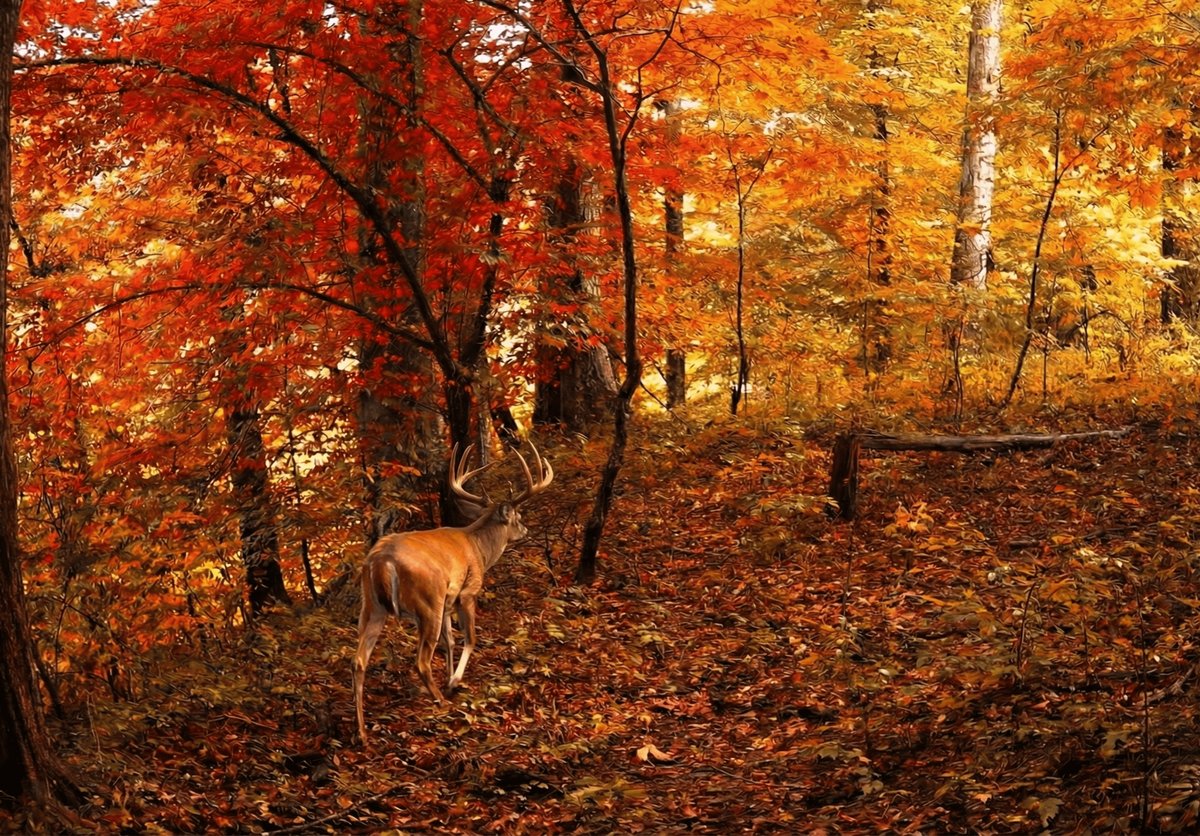
There’s a certain bite in the air when October deer hunting rolls around—cool enough to make you zip your jacket, but not so cold you can’t smell the leaf mold and acorns every time you breathe in. If you hunt, you know October isn’t just “pre-rut.” It’s its own season with its own rules: shifting food sources, pressured deer, and daylight movement that can feel random until you start reading the woods like a map. It’s also the month when the landscape looks like it was painted on purpose—embers in the oaks, bronze in the understory, and the kind of soft, angled light that makes a mature buck look carved out of the timber.
At Field & Fen Art in Milton, North Carolina, we build canvas prints around that exact feeling—the honest, hard-earned moments you recognize because you’ve lived them. October is when you dial in, pay attention, and make small decisions that add up to big encounters. The right piece of autumn deer art doesn’t just show a whitetail; it brings you back to a specific kind of morning, a specific kind of patience.
October Deer Hunting: Reading Food, Pressure, and Daylight Movement
In October, a buck’s world is still mostly about groceries and security. The rut is on the horizon, but it hasn’t fully hijacked his brain yet. That means you can predict him—sometimes better than you can in November—if you pay attention to what he’s eating this week, not what you wish he was eating.
Early October can be a mast lottery. One ridge is raining white oak acorns and the next ridge is basically empty. When you find a hot tree, you’ll often find sign that looks “suddenly fresh”: shredded caps, damp leaf litter turned over, and tracks that look crisp instead of washed out. Don’t overlook how a deer approaches that food. In many spots, mature bucks will stage downwind—often 50 to 150 yards off the source—waiting for the last minutes of light. That staging area might be the real kill zone, especially if your access lets you slip in without walking through the dinner table.
Pressure changes everything in October. A few sits in the wrong wind, a careless entry across crunchy leaves, or a headlamp sweep at the wrong time can push daylight movement into the next zip code. If you’ve ever watched a good buck turn nocturnal after “nothing but does” for a week, you’ve seen it happen. Your best October adjustment is often the simplest: hunt less, hunt sharper. Pick sits where your wind is bulletproof, your entry is quiet, and you can get out without bumping the very bedding cover you’re banking on later.
One more October detail that separates “seeing deer” from “seeing that deer”: pay attention to the does. Family groups settle into reliable patterns around the best food. A mature buck may not show himself much, but he’ll often check those groups from the downwind side. If you can set up where a buck can scent-check without exposing himself, you’re thinking like an October hunter, not just sitting a trail.
Fall Wildlife Art That Feels Like First Light in the Hardwoods
October light is different. It’s lower, warmer, and it lays shadows across the forest floor like bars. That’s not just pretty—it’s functional. Deer use that broken light to disappear. A buck standing still under a red oak can look like nothing more than a stump with a few branches… until his ear flicks.
That’s why the best fall wildlife art doesn’t need to force drama. The season already has it. A canvas that captures October well will show the quiet tension you recognize: the way a deer’s head turns before its feet move, the alert-but-not-panicked posture, and the sense that the woods are alive even when they look still.
If you want a piece that carries that ember-toned October mood, take a look at Embertrail Buck. It has that “last ten minutes of legal” energy—when the leaves seem lit from within and every step feels loud, even when you’re not moving. Hang it where you keep your gear and you’ll feel that familiar pull to double-check the wind before you ever step outside.
Autumn Deer Art and the Truth About October Rut Sign
October is when rubs start showing up like punctuation marks across the woods. But not all rubs are created equal, and knowing the difference helps you hunt smarter—and appreciate what you’re seeing when you’re out there.
Early rubs can be a mix of velvet shedding and dominance. They’ll often appear along travel corridors near bedding cover, especially where a buck can move with the wind in his favor. Pay attention to height and diameter. A rub on wrist-thick saplings can be made by plenty of bucks, but when you find a line of rubbed trees with larger trunks and higher gouges, you’re in the neighborhood of a deer with some weight behind him. Rub lines don’t always mean a buck is walking that line in daylight, but they can show you how he wants to move through the cover—often using terrain to stay hidden and wind to stay informed.
Scrapes, too, start popping in October, but their timing is tricky. You’ll see “community scrapes” open up on field edges, logging roads, and easy travel routes. A lot of those become nighttime social media—bucks checking them after dark. The scrapes that can matter most for October sits are often smaller and closer to bedding: tucked just inside a transition line, on the downwind edge of thick stuff, where a buck can work it quickly and slip back into cover. If you find one like that with fresh pawing, wet dirt, and a licking branch that’s been worked recently, you’ve got a reason to consider a careful morning sit—if your access doesn’t blow the bedding.
That watchful, boundary-line feel is exactly what Pay The Toll leans into. It’s the kind of scene that reminds you how deer use edges like checkpoints—crossing points where they can pause, look, listen, and decide whether the next step is worth it. If you’ve ever had a buck hang up just out of range on a creek crossing or gap in a fence, you know the moment this piece brings back.
October Stand Strategy: Funnels, Thermals, and Quiet Access
By October, the woods have heard enough human mistakes to start predicting you. The whitetails aren’t reading your mind—they’re reading your pattern. That’s why stand choice in October isn’t only about where the deer are. It’s about where you can get away with hunting.
Funnels still work, especially in broken timber and rolling ground, but you need to be realistic about timing. In many places, morning movement can be quick and close to bedding, while evening movement is more hesitant and staged. If you’re hunting a funnel between bedding and feed, consider how thermals behave there. On cool October mornings, thermals often pull scent downhill until the sun hits, then they can switch and rise. On evenings, cooling air can slide downhill again. If your funnel is in a pinch between two ridges, your scent can act like a spillway. You don’t need to be a meteorologist—you just need to be honest about where your scent is going at the time the deer will be there.
Quiet access is the most underrated October skill. Crunchy leaves make every step sound like tearing paper. Use terrain and cover to your advantage: slip in along creek beds, ditch lines, or the shaded side of a ridge where leaves hold a touch more moisture. Slow down. A lot of hunters blow out the first 100 yards and then “hunt hard” the rest of the way, but deer often bed closer to access routes than we like to admit—especially on pressured ground where they’ve learned people avoid the ugly spots.
When you set up right in October, you often feel like you’re on guard duty more than you’re “waiting on deer.” That’s the vibe behind Harvest Sentinel—that steady, watchful posture you recognize from does that have survived a few seasons and bucks that move like they’ve got somewhere to be, but won’t risk showing it. It’s a reminder that success in October comes from noticing the small tells: a squirrel that goes quiet, a jay that scolds a little too hard, the single leaf that falls straight down because something brushed the limb.
Whitetails in October: Why the Woods Feel Alive (and How to Bring It Home)
October is when the whole system is in motion. You’ve got squirrels cutting mast and broadcasting it like an alarm clock. You’ve got shifting bird activity as cold fronts roll through—some mornings feel suddenly louder, and others go silent and heavy. After a good rain, the woods reset: tracks sharpen, scent improves, and deer often get on their feet earlier. After a dry spell, everything gets brittle, and deer may lean harder into shaded travel routes and thicker cover where humidity holds.
And then there are the transitions. October is the month of edges: green-to-brown, thick-to-open, wet-to-dry. Whitetails live on those seams because seams offer options. A buck can step out, test the wind, and step back in. He can parallel an opening without exposing himself. If you start thinking in seams, you’ll start finding deer where you didn’t expect them—like that subtle line where hardwoods meet young pines, or where a beaver pond edge turns into a strip of brush that’s just wide enough to hide a rack.
That’s also why Autumn Sentinel belongs in an October conversation. It captures that poised, transitional feel—an animal built to live between visibility and cover. It’s the kind of piece that doesn’t just “decorate a wall.” It keeps you tuned to what October is really about: paying attention to the edges, staying patient, and letting the season come to you on its terms.
If your home has a spot where you clean gear, tie broadheads, check trail cam cards, or sip coffee before daylight, that’s the perfect place for a reminder of what you’re chasing. Not just antlers—October. The smell of damp oak leaves. The quiet confidence of a deer that knows the wind better than you do. The snap decision to draw, or not draw, based on a single step.
If you want to see more pieces that live in that world, spend a little time browsing our Whitetail Deer Collection. No rush—just take a look and see which one feels like your woods in October.