 Field
Field 
Most office wall art is either a corporate yawn-fest or a motivational poster that feels like it came from a dentist’s waiting room. If your best days start before daylight with a thermos in the cupholder and boot tracks in the frost, you already know what good “decor” looks like: a moment from the woods that makes you stop and remember the sound, the weather, and the way your breath hangs in the air. Wildlife prints do that without turning your workspace into a man cave. Done right, they’re calm, professional, and still speak your language.
At Field & Fen Art in Milton, North Carolina, we build canvas prints that feel like home ground—work that looks right above a desk, in a conference room, or behind the counter where folks actually talk. The goal isn’t to shout “hunter” at everybody who walks in. It’s to give your office a pulse: the kind of quiet, natural confidence you get when you’ve watched a big-bodied buck slip through a pinch point like smoke or heard late-season geese peeling down into a cut field.
Professional wall art that still feels like the woods
“Professional” doesn’t have to mean sterile. In hunting and in work, the best setups are simple and intentional. The same principle applies to professional wall art: pick images with strong composition and natural tones, and you’ll get something that looks clean in an office while still carrying the weight of real places.
Think about what makes a good sit. You’re not just staring at a tree—you’re reading edges, wind, pressure, and travel routes. Good wildlife art works the same way. A strong piece guides the eye the way a creek bottom guides deer movement: it gives your brain a path to follow, then rewards you for noticing details. Antler tines catching low light. A rim of ice on grass stems. The posture of an animal that’s alert but not panicked.
If you want a print that feels like a story without being loud, look at Pay The Toll. There’s a particular tension in wildlife moments when everything is balanced on one step—like when a mature deer commits to crossing a ditch or slipping through a narrow gap. Experienced hunters recognize that pause. It’s the split second where the animal is deciding, and you’re deciding too. That kind of controlled energy reads as professional in a workspace because it’s not chaos; it’s focus.
Canvas is also a smart choice for offices because it doesn’t glare like glass when the afternoon sun hits your window. The texture softens the scene a touch—like the way fog softens a cutover at first light—so the art looks refined from across the room and still holds detail when you’re close.
Wildlife office decor that sets a tone (without turning the office into a trophy room)
Good wildlife office decor is less about “look what I shot” and more about “this is where I come from.” That’s a meaningful distinction, especially in shared spaces. You can show your roots and your respect for the outdoors without making anyone feel like they just walked into a locker room.
One of the easiest ways to do that is to lean into behavior—pieces that show animals doing what they do best, in the conditions they’re built for. Folks who’ve spent time outside can read it instantly. Folks who haven’t still feel the authenticity.
Take late-season as an example. Everything is pared down: food is tougher to find, movement is more deliberate, and animals conserve energy. You see tighter groups, shorter feeding windows, and a hard-edged awareness that comes from pressure and weather. A print like Frostbound Companions fits that mood perfectly. It captures that winter companionship you’ll notice in the field—animals paired up for advantage, warmth, vigilance, or simply because the landscape makes company a better strategy. In an office, that feeling translates as steady and grounded, the opposite of “busy.”
If you’re decorating a space where you meet with clients, patients, or customers, wildlife is also a quiet bridge. People may not share your hobbies, but most people understand a winter morning, a bird’s posture, the idea of endurance. The art becomes a conversation starter that doesn’t demand anything from them—kind of like how a well-worn shotgun leaning in the corner doesn’t need explaining to feel familiar.
Office wall art ideas hunters actually connect with: whitetails, birds, and winter light
You don’t have to pick a giant rack or a dramatic charge to get that “I know the woods” feeling. Some of the most powerful scenes are subtle, because they mirror what you’re actually out there doing: waiting, watching, and noticing.
Whitetails: If you’ve hunted whitetails long enough, you learn to respect how they use terrain like a map. They’ll skirt the top third of a slope to keep the wind advantage, use creek bends like cover, and pause at transitions—hardwoods to pines, CRP to timber—because those edges tell them what’s ahead. Art that captures a deer in that decision-making mode feels real to you because you’ve seen it. It’s not a cartoon buck. It’s a wild animal doing wild-animal math.
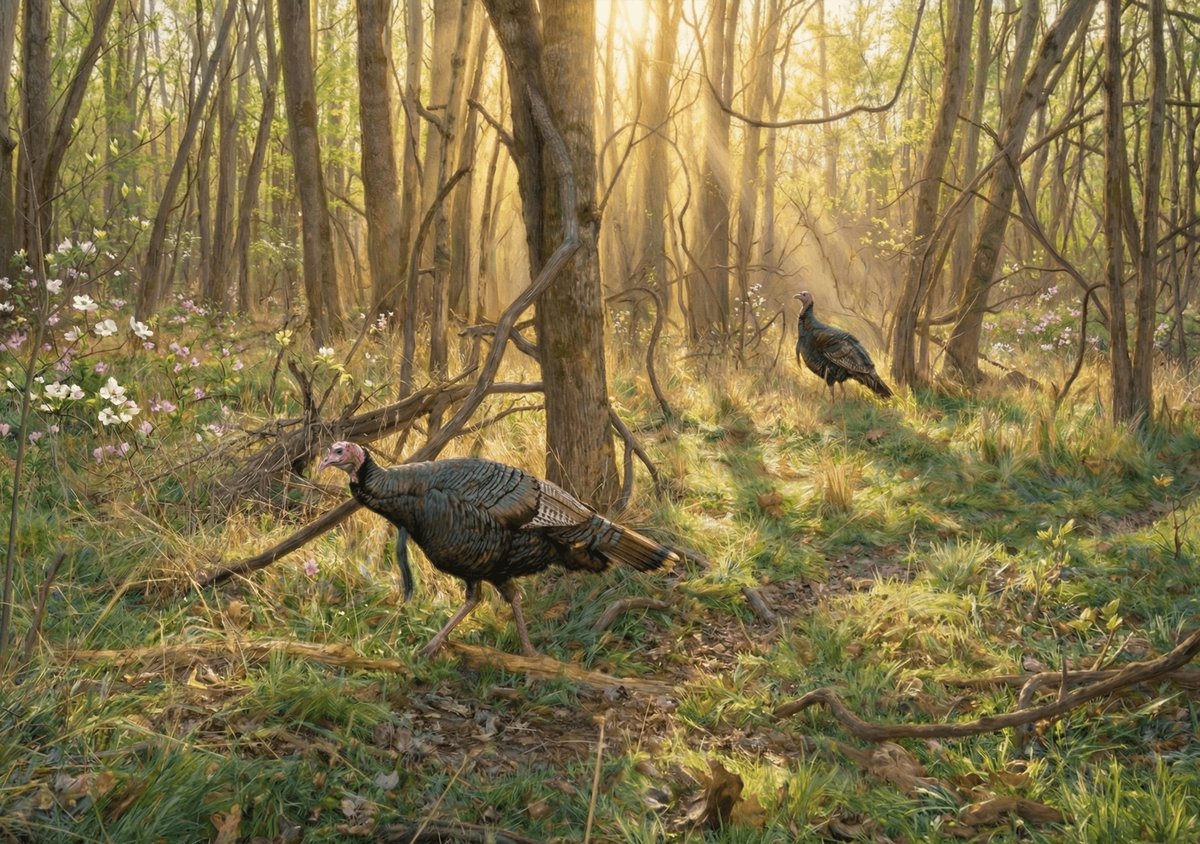
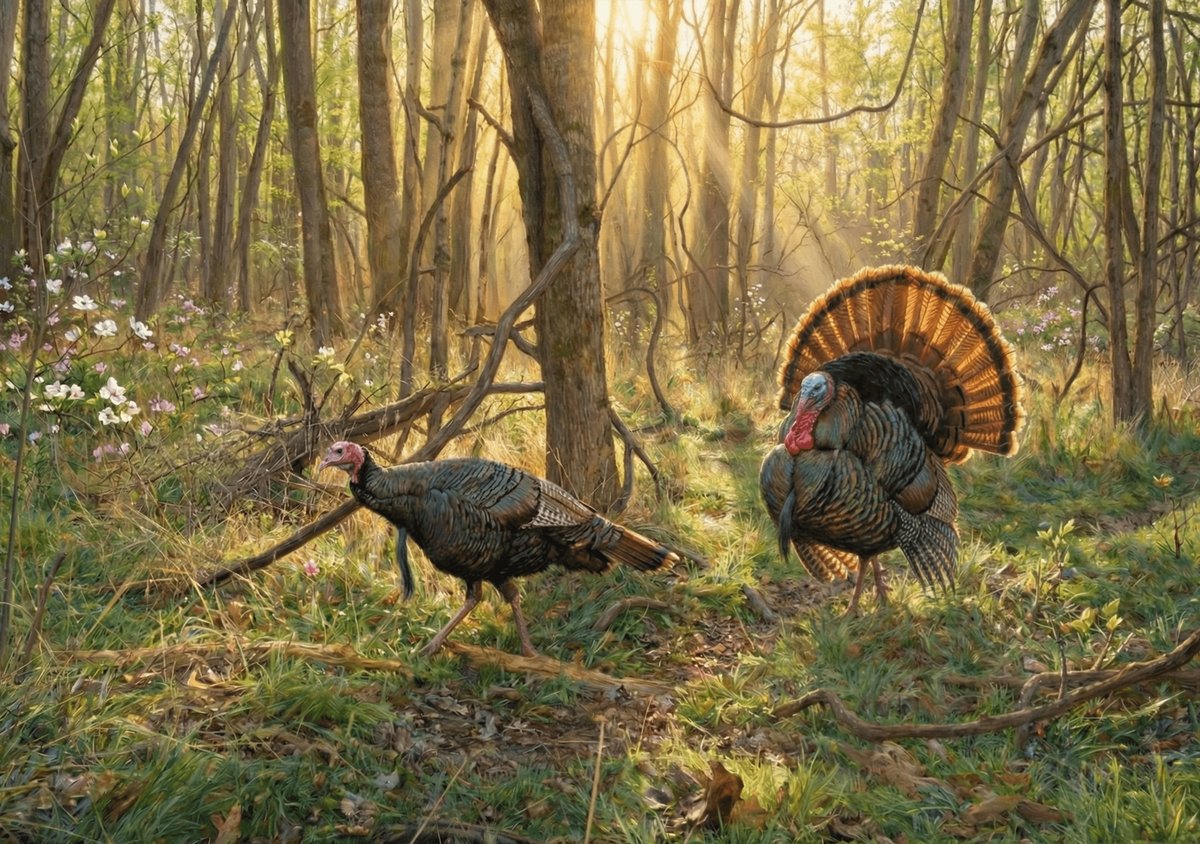
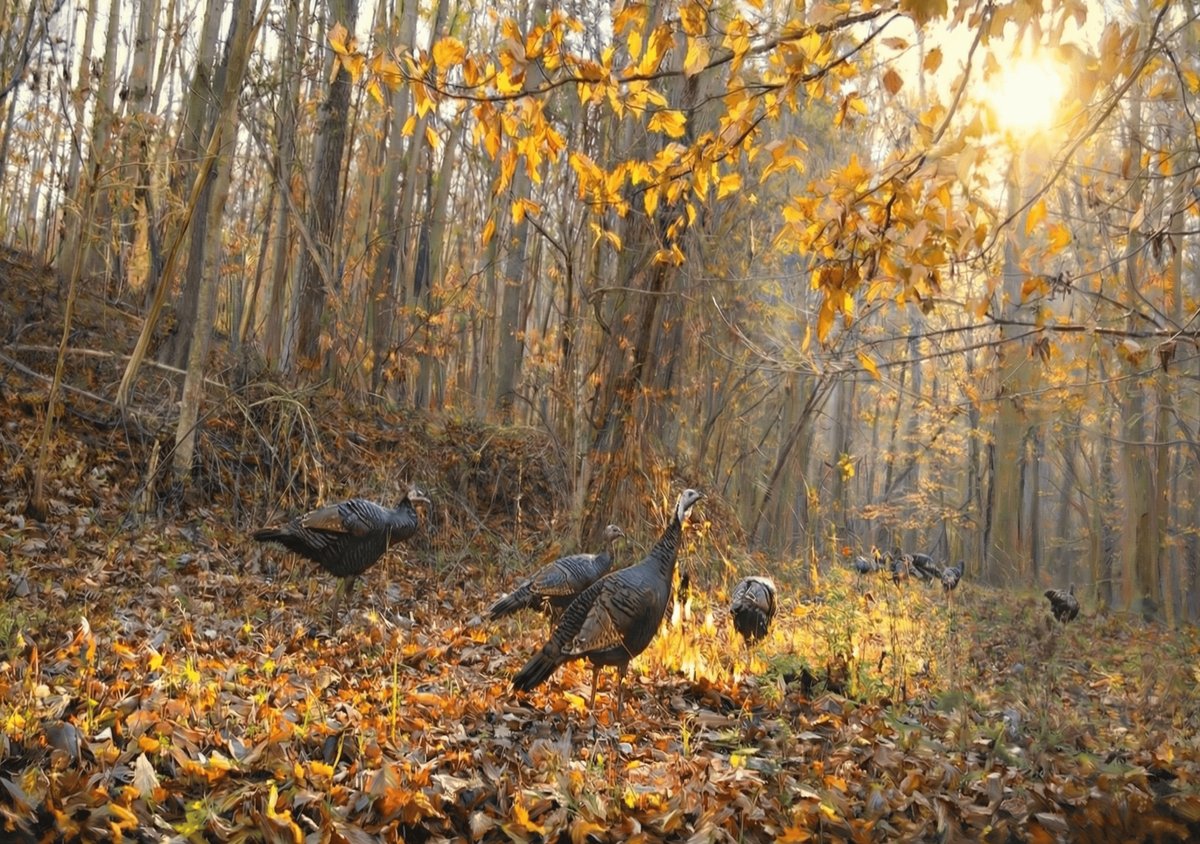
Birds: Birds are perfect for offices because they carry color and motion without looking aggressive. And if you’ve chased upland birds or listened to gobblers wake up a ridge, you know birds can be the most honest wildlife in the woods—no hiding what the weather is doing when feathers are puffed up against cold, or when a bird is angled into wind to keep balance.
Pretty Bird Oil is a great example of how bird art can feel both elevated and familiar. The feather detail matters. The way light sits on plumage isn’t just “pretty”—it’s information. In the field, a flash of color can be the difference between a quick ID and a missed opportunity. In an office, that same clarity reads as craftsmanship. It’s lively without being loud.
Winter light: Hunters understand winter light in a way most folks don’t. The sun rides low, shadows stretch longer, and everything looks sharper—like the world got rinsed clean. If you’ve ever watched a bean field at the edge of legal light and seen deer materialize out of gray, you know what I mean. Wildlife prints that use winter light well bring calm into a workspace, because the palette is naturally restrained: whites, grays, muted browns, and that faint gold at the horizon.
Professional wall art placement: make it look intentional, not “stuck on the wall”
There’s a difference between having art and placing art. Hunters get this instinctively because you don’t just wander into the woods and hope—you set up with purpose. You pick your tree based on wind. You tuck into shade. You choose a lane. Your office deserves the same kind of intentional setup.
Behind the desk: Put your strongest piece where it frames you during calls or meetings. It becomes part of your “presence” without saying a word. A scene with depth—foreground texture, midground subject, background atmosphere—adds dimension to the room and looks clean on camera.
Entry wall or waiting area: Choose something welcoming, not confrontational. Think winter scenes, birds, or a landscape with a hint of wildlife. People exhale when they see calm nature. It’s the same reason you feel your shoulders drop when you step out of the truck at the gate and the only sound is wind in the pines.
Conference room: Go with a piece that carries quiet authority—something that suggests patience and strategy. Those are values everyone respects, hunter or not.
For that “welcome home” feeling, The Old Place is the kind of image that settles a room. If you’ve ever pulled into an old farmstead after a morning hunt—snow packed in tire tracks, smoke staining cold air, the world feeling both empty and full at the same time—you understand the pull of a place like that. It reads as professional because it’s timeless. No gimmicks, just story.
Practical tip: Hang art at eye level when you’re standing, not when you’re seated at your desk. Most offices get this wrong. The result is the same as hanging a stand too high “because it feels right”—until you realize your shot lane is terrible. Eye level makes the piece feel like it belongs.
Wildlife office decor that tells the truth about the outdoors
The best wildlife art doesn’t romanticize nature into something fake. It shows the beauty, sure—but also the reality: animals built for weather, landscapes shaped by time, and the constant push-pull of survival. That truth is what hunters connect with. It’s also what makes art feel honest in a professional space.
When you pick pieces that reflect real behavior and real seasons, you’re not just decorating. You’re bringing a philosophy into your workday: pay attention, be patient, respect the conditions, and don’t force what the wind won’t allow. That mindset is as useful in business as it is in a tree line.
And if you’re local to North Carolina—or you’ve hunted similar country—you know how varied “the outdoors” can be. Piedmont hardwoods, river bottoms, cut fields, planted pines, frosty mornings that turn into shirt sleeves by lunch. Wildlife art that honors those transitions feels familiar. It doesn’t have to match your exact zip code to match your instincts.
If you want to see what fits your space best—whether you’re building out a home office, a shop wall, or a professional lobby—take a slow walk through the full collection. Pick the piece that makes you hear something: wings, wind, crunching frost, or that dead-still quiet right before daylight. That’s the one that won’t feel boring six months from now.