 Field
Field 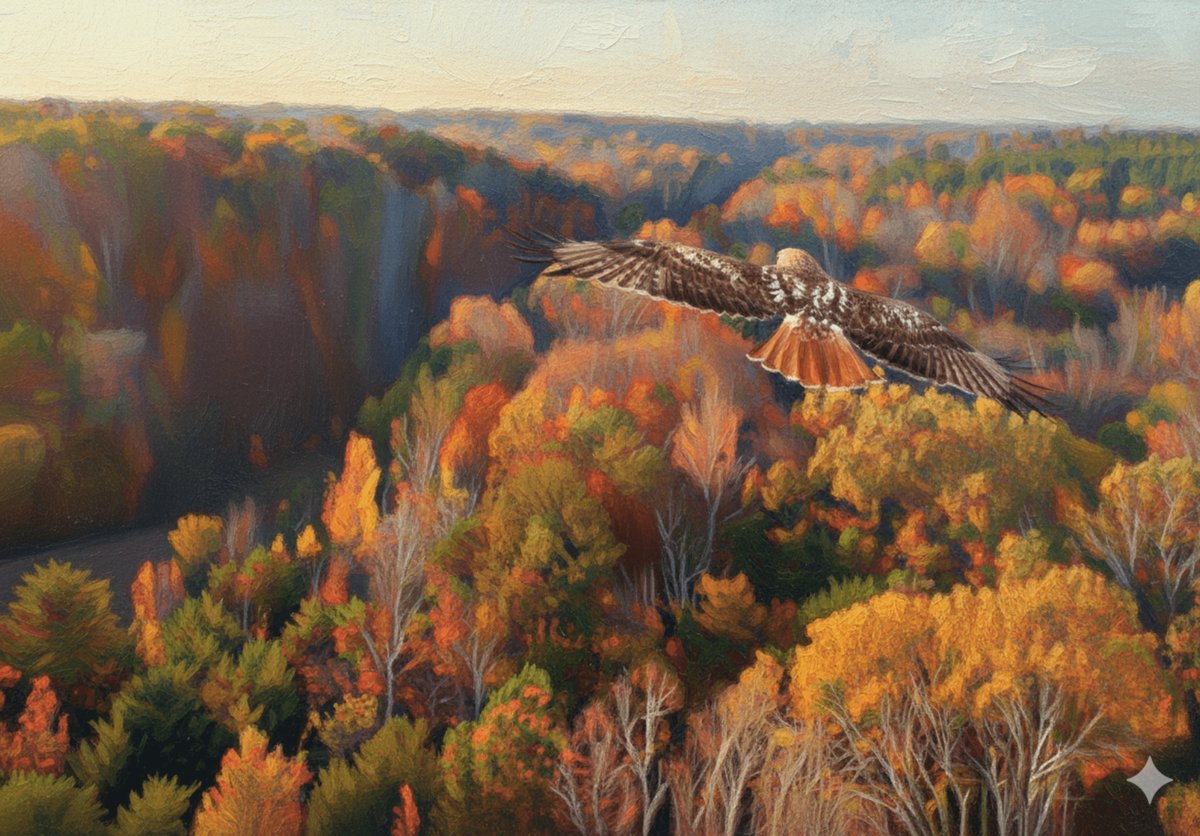
There’s a reason raptor art hits different when you’ve spent real mornings outside—boots in frosty grass, breath hanging in the air, and your eyes scanning the edges like they’ve been trained by seasons of watching. Hawks, eagles, and owls aren’t just “cool birds.” They’re the top-line predators that tell you where the rabbits are moving, where the ducks are resting, and where the timber holds stillness you can almost hear. Putting that on canvas isn’t about decorating a wall—it’s about keeping that wild, watchful feeling close.
At Field & Fen Art here in Milton, North Carolina, we gravitate toward raptors because they carry a whole story in a single posture: a head cocked to listen, talons curled into bark, wings tucked tight against a winter wind. If you’ve ever paused a stalk because a hawk suddenly went rigid on a limb, you already understand what makes raptors worth hanging in your home or camp.
Hawk Canvas Prints: Reading the Edges Like a Predator
Hawks live where hunters live—along transitions. Field meets timber. Cutover meets creek bottom. Old pasture meets hedgerow. That’s not an accident. A red-shouldered hawk will work a swampy bottom and hunt by sound and quick drops through the canopy. A red-tailed hawk, on the other hand, loves an open vantage—telephone poles, lone trees, the high limb above a food plot—anywhere it can pin the world down with that laser stare.
When you’re deer hunting, a hawk’s behavior can be a quiet “field report.” If you see a hawk making repeated low passes along a briar line, there’s a good chance rabbits or small birds are hugging cover. If a hawk is posted up and repeatedly looking down at the same patch, something is moving—or it was moving and it’s about to again. On still mornings, you’ll sometimes hear the wingbeats first: that soft, controlled whoosh as it slides off a limb and drops like a thrown knife.
That’s the moment a good canvas print should capture—the tension before action. Field & Fen’s Winter Sentinel leans into that exact feeling: a hawk anchored to a cold-weather perch, built for patience. Winter hawks often conserve energy, choosing high-efficiency observation over constant movement. They’ll sit longer, letting the landscape do the work—waiting for a vole to betray itself with a twitch in dead grass, or for a sparrow to flicker out of cover. If you’ve ever hunted late season, you know that kind of patience isn’t passive. It’s purposeful.
And here’s something a lot of folks miss: hawks don’t just “see far.” They see detail. Many raptors can detect ultraviolet reflections, which helps them track trails and sign left by prey. You read tracks in mud; a hawk reads the subtle map laid across an entire field. That’s why hawk canvas prints feel so right in a room where you keep your gear—because the mindset is familiar.
Eagle Art: Power, Thermals, and the Long Look Over Water
There’s a heaviness to an eagle that you can feel even at a distance. Bald eagles aren’t built like a bird that has to rush. They’re built like a bird that can afford to wait, to glide, to let the day’s thermals do the lifting. If you spend time around big water—lakes, rivers, coastal sounds—you’ve probably watched an eagle work a shoreline with the slow confidence of something that knows it belongs there.
One of the best times to spot eagle behavior is cold weather. When the water temps drop and fish get stressed or pushed shallow, eagles capitalize. They’ll patrol ice edges up north or the open seams and shallows in our region, using that high-angle view to pick off opportunity. And if you’ve ever watched an eagle get run off by a mobbing crow or two, you’ve seen a reminder that the wild is never as simple as “biggest wins.” Eagles are dominant, sure—but they’re also pragmatic. They’ll steal when it makes sense, scavenge when it’s efficient, and hunt when the odds are in their favor.
That’s what makes eagle art resonate with hunters. It isn’t just about size and strength—it’s about strategy. Eagles read wind, water, and pressure the way you do. They’ll circle into a breeze, drop elevation without wasting effort, and commit only when the angle is right. A well-done eagle on canvas should feel like that: controlled, weighty, and calm, not cartoonish or overly dramatic.
If your favorite hunts involve water—duck blinds at first light, the quiet in the minutes before shooting time, the way everything changes when the sun hits the ripples—eagle imagery brings that same big-space atmosphere into your home. It’s the long look over open country, the sense of scale, the reminder that you’re part of a system that keeps turning whether you’re watching or not.
Owl Wall Art: Night Hunters, Silent Wings, and the Woods After Dark
Owls are the raptors you feel more than you see. If you’ve ever walked out after an evening sit—headlamp off for a second, letting your eyes adjust—you know that “listening” becomes a full-body skill. That’s owl country. Barred owls calling from a creek bottom. Great horned owls posted up near field edges, using the dark like cover. Screech owls tucked into cavities you’d never notice in daylight.
The reason owls hit so hard in owl wall art is their specialization. Their flight feathers are structured to break up air turbulence, which is why an owl can cross ten yards of open space without that telltale rush you’d hear from most birds. Their facial disc isn’t just a cool look—it funnels sound to asymmetrical ears that pinpoint movement. In other words, they hunt like a predator built for the last inch of uncertainty, when vision fails and sound becomes everything.
And if you pay attention, owls can tell you a lot about your local woods. An increase in owl activity near a hayfield can mean rodents are booming. Hearing a barred owl consistently along a drainage can hint at a healthy corridor—cover, prey, and tree structure all lining up. Even the timing matters: early night calls can be territorial; late-night movement can be hunting-focused. When you hang an owl on canvas, you’re not just hanging a bird—you’re hanging the mood of the nocturnal woods.
Owls also carry a kind of humility. They’re deadly, but they don’t announce it. The kill happens quiet. The woods swallow the evidence. That’s the same respect most hunters have for doing things clean, ethical, and calm. The romance isn’t in the noise; it’s in the mastery.
Raptor Art for Hunters: Bringing the Wild Back to the Places You Live
Hunters decorate differently. You don’t need a lecture about “bringing nature indoors”—you already live it. What you want is a piece that feels true. A raptor print that reminds you of how a cold front smells, how a cut cornfield looks at first light, how a creek bottom holds shadows even at noon. The best raptor art doesn’t just show feathers; it shows behavior.
Think about what you naturally gravitate toward in the field. Are you an edge-watcher who loves glassing transitions? A hawk image fits that scanning, detail-driven approach. Do you hunt water, travel corridors, big views? Eagles carry that openness. Do you love the hours nobody else keeps—the last light, the night track, the quiet walk out? Owls match that instinct.
Canvas works especially well for raptors because it handles contrast the way the outdoors does: the hard line of a beak against a pale sky, the layered patterning on a hawk’s breast, the dark depth behind an owl’s eyes. In a cabin, a mudroom, a home office, or over the mantle where you clean your shotgun after season, raptor imagery doesn’t feel like “art for art’s sake.” It feels like a marker—proof of what you value and where your mind goes when you’re not stuck inside.
If you’re looking for a place to start, it’s worth browsing Field & Fen’s Raptor Collection. Spend a few minutes with it the way you’d spend a few minutes glassing a treeline: slow down, notice posture, notice light, notice what the bird is doing. The right piece usually isn’t the loudest one—it’s the one that makes you feel like you’ve been there.
When you’re ready, take a look through the Raptor Collection and see which hunter’s view of the world matches yours—hawk, eagle, or owl. No pressure, just good birds and good moments, put to canvas.