 Field
Field Shed Hunting 101: How to Find Whitetail Antlers After the Rut
If you're ready to hit the woods with shed hunting tips in mind, you're in for a treat. Whitetail shed antlers are not just trophies; they're stories of survival and the natural world carrying on through the seasons. As spring creeps up on the Carolina Piedmont, it’s time to get out there and start combing the landscape for these elusive treasures.
Understanding the Rut and Post-Rut Behavior
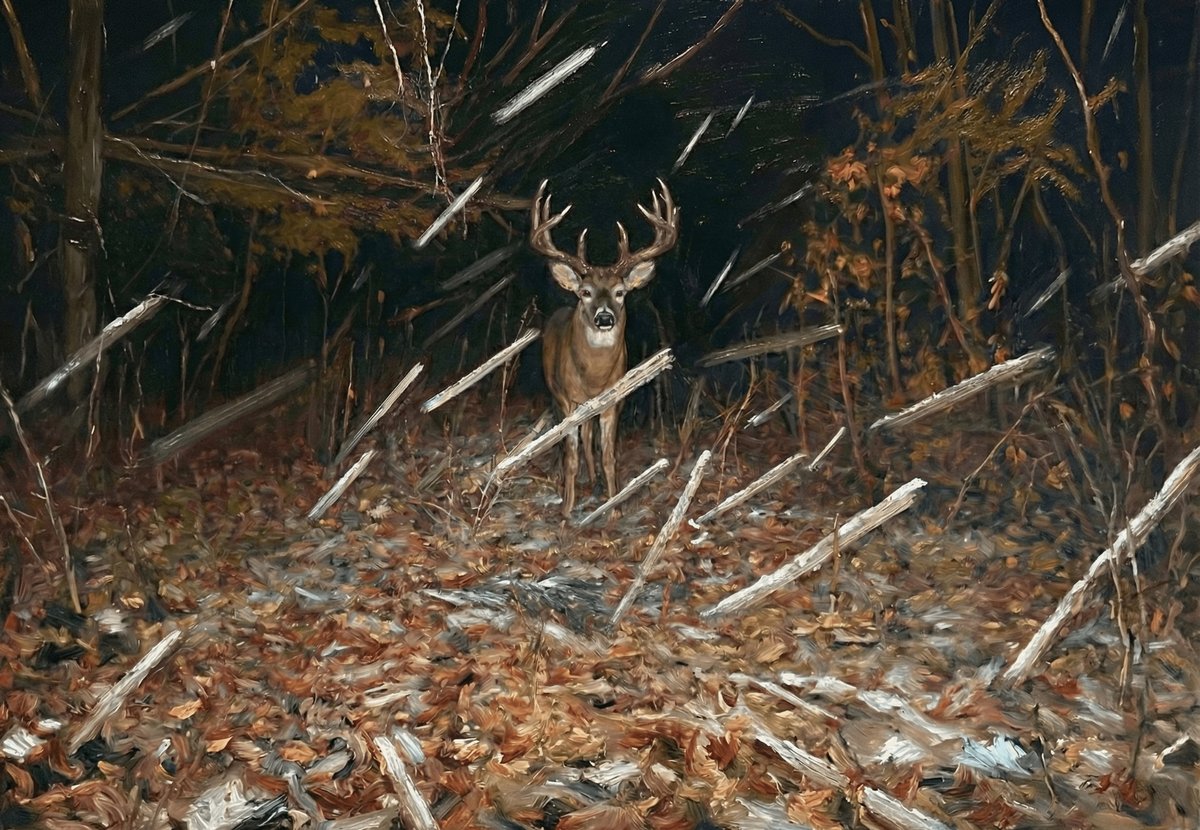
The journey to finding deer sheds begins with understanding the whitetail's behavior post-rut. After bucks have spent the fall tirelessly chasing does, their energy reserves are low. As the rut winds down, food becomes their primary focus. Knowing this, you'll want to target areas where bucks are likely to frequent for feeding and resting as they recover from the rut.
Look for agricultural fields, food plots, and natural foraging sites. Creek bottoms and south-facing slopes that catch the sun's warmth are favorite spots for deer to relax and refuel. These areas not only provide food but also the cover bucks crave when they’re weary from months of rutting.
Timing Your Search for Optimal Results
Timing is everything in shed hunting. In the Southeast, bucks typically start dropping antlers in late winter through early spring. A good rule of thumb is to begin your search after the last hard freeze. This timing ensures that most bucks have shed their antlers and the ground is clear of snow, allowing better visibility of sheds.
Scout your hunting grounds regularly. Early spring is the sweet spot — before the new growth begins to obscure your view. Remember, persistence is key. You may have to walk miles before stumbling upon that perfect set of antlers.
Where to Search for Whitetail Shed Antlers
Finding deer sheds is as much about strategy as it is about patience. Focus on high-traffic areas. Deer trails, bedding areas, and feeding zones are prime locations. Walk slowly and scan the ground and surrounding brush carefully. Pay attention to fence crossings and creek crossings where a jumping deer might jostle its antlers loose.
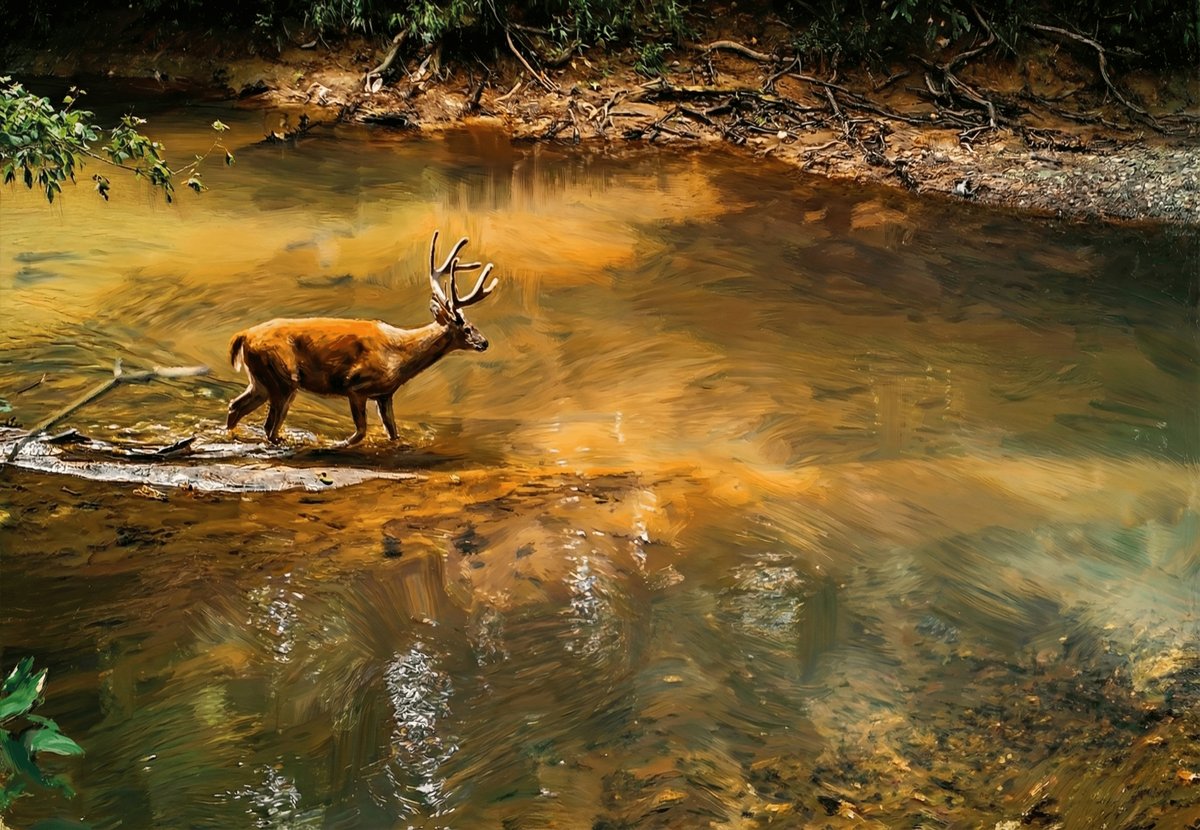
Another hot spot? Look near water sources. Deer need to hydrate regularly, and the soft earth around ponds and streams can catch a falling antler. Don’t overlook the edges of fields and the fringes of timber where deer transition between habitats.
Tools and Gear to Enhance Your Shed Hunt
While you don’t need much gear to start shed hunting, a few tools can make your hunt more productive. Good footwear is essential — waterproof boots for muddy creek bottoms and lightweight hiking shoes for drier terrain. A quality pair of binoculars can help you scan wide-open fields or dense thickets without spooking any deer still holding onto their headgear.
- Backpack: A comfortable backpack to carry found sheds and essentials like water and snacks.
- GPS or Mapping App: Track your routes to ensure you cover new ground each time.
- Camera: Capture the moment you find your trophy sheds or simply the beauty of the landscape.
Check out the Driving Snow canvas print to bring a piece of the serene, snowy landscape into your home, reminding you of the quiet, reflective moments in the winter woods.
Learning from the Land: Observing Patterns
The best shed hunters are keen observers. As you traverse the terrain, pay attention to deer sign and natural changes in the landscape. Look for rub lines, scrape marks, and bedding depressions. These signs can guide you to areas where bucks are most active. If you notice a cluster of rubs or a series of scrapes, you're likely near a buck's core area, which increases your chances of finding sheds.
Also, be mindful of the transition zones where different types of cover meet. Deer often use these areas as travel corridors, making them prime locations for sheds. By understanding and reading the landscape, you can develop a sixth sense for where antlers might be hiding.
Maximizing Your Coverage with Grid Searching
To ensure you don’t miss anything, adopt a grid searching strategy. This technique involves dividing your target area into smaller sections and thoroughly searching each one before moving on to the next. Use natural landmarks to define your grid. Trees, rocks, or changes in vegetation make good markers.
Walk in a straight line from one marker to another, scanning the ground as you go. Once you reach the end of your line, shift over a few feet and walk back the other way. This methodical approach helps cover ground more efficiently and ensures you don’t overlook any hidden sheds.
Sharing the Experience: Shed Hunting with Friends
Shed hunting is more than just a solitary pursuit. It’s an excellent way to bond with fellow hunters and outdoor enthusiasts. Organize a group outing and share the thrill of the search. Having multiple pairs of eyes increases your chances of success and makes the adventure more enjoyable.
Group hunts also provide opportunities to learn from others. Share tips, swap stories, and celebrate each find together. It’s about building camaraderie and creating lasting memories. Plus, it’s always handy to have someone nearby to help carry out those heavier sheds!
Respecting the Land and Wildlife
Shed hunting is a chance to interact with nature, but it’s crucial to respect the land and wildlife. Always seek permission before entering private property. Leave no trace — pack out everything you pack in, and be mindful of the habitat. Disturbing bedding areas or stressing wildlife can have negative impacts, so tread lightly.
Consider the broader ecosystem. Shed hunting offers a perspective on deer behavior and the health of the land. Observing patterns and changes can inform your hunting strategy for the upcoming season. Remember, the land you walk is the same land you hunt, and preserving its integrity is paramount.
Bringing the Outdoors In with Field & Fen Art
Once you've brought home those antlers, you’ll want to showcase them alongside other elements that celebrate the hunt. At Field & Fen Art, we offer an array of wildlife art that captures the essence of the outdoors. Whether it’s the elegance of a deer in its natural habitat, the vibrant activity of waterfowl on a pond, or the majestic flight of a raptor, our pieces bring the wild into your living space.
For those who appreciate the subtler tones of nature, our landscape collection provides a peaceful backdrop to your shed displays, echoing the environments where you found those prized antlers.
FAQ
Q: When is the best time to look for whitetail sheds?
A: The best time is late winter to early spring, after most bucks have shed their antlers and before the new vegetation covers the ground.
Q: Where should I start my search for deer sheds?
A: Focus on feeding areas, bedding zones, and travel corridors like trails and creek bottoms. These are places where bucks frequently move and rest.
Q: Can I find sheds on public land?
A: Yes, you can find sheds on public land, but check local regulations regarding access and shed collection.
For more inspiration, browse our entire collection of wildlife art and bring the spirit of the hunt into your home.