 Field
Field Spring Turkey Scouting: Reading the Land Before Opening Day
Spring is a time when the woods come alive, and if you're a turkey hunter, it’s your favorite season. Before you grab your gear and head out, you need to be smart about your turkey scouting. Turkey scouting tips are crucial for pinpointing where the birds are roosting, feeding, and strutting. Knowing how to read the land can make or break your season.
Understanding the Terrain
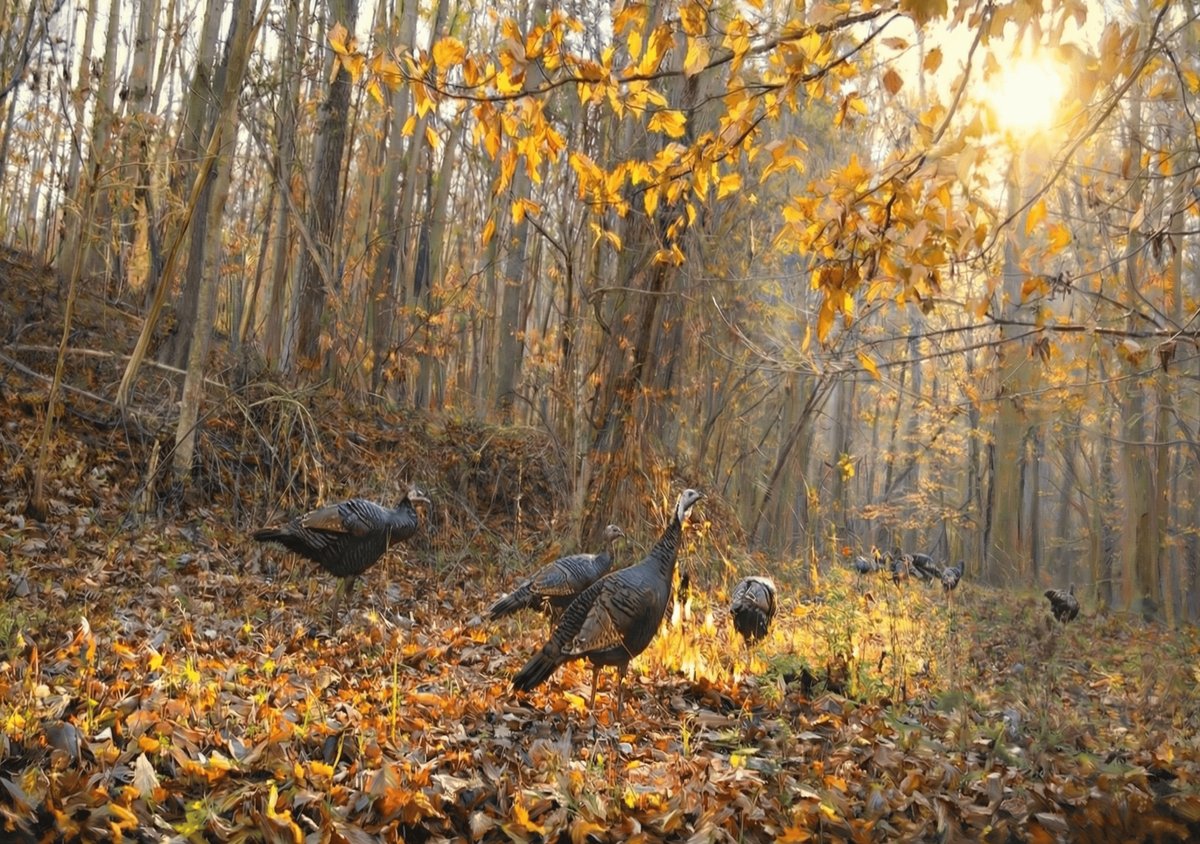
The first step in effective turkey scouting is understanding the terrain where you plan to hunt. In the Carolina Piedmont, that means paying attention to the rolling hills, creek bottoms, and patches of hardwoods that the turkeys prefer. Turkeys are creatures of habit. They follow the same routes day after day, especially when it comes to feeding and roosting.
Look for areas with a mix of open fields and wooded sections. Turkeys need cover to feel secure, but they also like to be where they can see danger coming. The transition zones between thick cover and open land are often the best places to find turkey sign. It’s here you’ll observe tracks, droppings, and feathers that indicate recent turkey activity.
Identifying Turkey Sign
When it comes to turkey sign identification, you need to know what to look for. During your scouting trips, keep an eye out for:
- Tracks: Turkey tracks are distinctive. They have three toes in front and a longer toe in the back. Look for fresh tracks in muddy areas near water sources.
- Droppings: Turkey droppings are usually shaped like a “J” and can give you a good idea of how many birds are in the area. Fresh droppings will be moist and dark.
- Feathers: Look for molted feathers, especially around feeding areas. These can indicate that turkeys have been using that spot recently.
Keep a notebook handy to jot down where you find these signs. Over time, you’ll start to see patterns that will help you plan your hunt.
Timing Your Scouting
Timing is everything in turkey hunting. The best time for turkey scouting is early in the morning or late in the afternoon. This is when turkeys are most active. Early mornings are great for hearing gobbles, while late afternoons provide a chance to see birds heading to their roosting spots.
Don't forget to consider the weather. Turkeys tend to be more active on overcast days. If the sun is shining bright, they might stay hidden in the shade. This can affect your scouting and ultimately your success on opening day.
Using Calls for Better Scouting
One of the best turkey scouting tips involves using calls to locate turkeys. A simple hen call can sometimes provoke a gobble from a nearby tom. This can help you pinpoint where they are hanging out. However, be judicious with your calling. You don’t want to educate the birds before the season even starts.
Practice your calls before heading out. You want them to sound as realistic as possible. A well-placed yelp or cluck can make all the difference in your scouting efforts. Just remember, the goal here is to gather information, not to lure birds into your setup just yet.
Setting Up Your Game Plan
Once you’ve gathered enough data from your scouting efforts, it’s time to set up your game plan. Map out the areas where you found signs and note down any vocalizations you heard. This will help you decide where to set up your blind or tree stand come opening day.
Consider the wind direction. Turkeys have an excellent sense of smell, and you’ll want to position yourself so that they can’t catch your scent. If you can, set up near a known roosting area, but be careful not to disturb the birds. You want them to feel comfortable in their environment, so they don’t change their routine.
Scouting During the Off-Season
Don't wait until the spring to start scouting. The off-season is a prime time to familiarize yourself with the land and the local turkey population. Spend time in the woods observing the landscape and wildlife behaviors. Look for signs of turkey activity, even if you can't hunt during this time. Pay attention to the types of food available, the presence of predators, and any other wildlife interactions. Each piece of information adds to your understanding of how turkeys behave in your area.
Consider using trail cameras to monitor activity in key areas. These cameras can capture photos of turkeys at different times of the day, helping you identify their patterns. You can also observe which food sources they prefer, whether it’s clover plots or natural acorns. This intelligence is invaluable when the season rolls around, allowing you to make informed decisions about where to set up your hunt.
Utilizing Local Knowledge
Don’t underestimate the value of local knowledge. If you’re hunting in a new area, talk to local hunters or landowners. They can provide insights into turkey patterns, the best spots to set up, and even share stories of previous seasons. Social media groups and local hunting forums can also be a treasure trove of information. Just make sure to vet the advice you receive. Not all hunters will have your best interest in mind.
Additionally, consider joining a local hunting club. These clubs often provide access to private land and the chance to scout with seasoned hunters who know the area well. They can offer practical advice and insights that you might not find on your own. Plus, hunting alongside others can be a great way to learn and hone your skills.
Final Preparations and Gear Check
As opening day approaches, make sure you have all your gear ready. Here’s a quick checklist:
- Decoys: Invest in a good set of turkey decoys to attract your target.
- Calls: Bring a variety of calls, including box calls, slate calls, and mouth calls.
- Camouflage: Ensure your clothing blends into the environment.
- Binoculars: These can help you spot birds from a distance without spooking them.
- Water and Snacks: Keep hydrated and energized during long waits.
Also, don’t forget to check your shotgun before the season starts. Make sure it’s clean, and practice your shot to ensure you’re ready when the moment arrives.
Bringing It All Together on Opening Day
Now that you’ve taken the time to scout and prepare, it’s time to put everything into action. On opening day, arrive at your chosen spot early. Set up your blind or decoys quietly and avoid making unnecessary noise. Patience is key, as turkeys can be unpredictable. Listen for their calls and be ready to adjust your strategy if things don’t go as planned.
Remember, turkey hunting is as much about the experience as it is about the harvest. Enjoy the time spent in the woods, the thrill of the hunt, and the beauty of the Carolina landscape. When you finally hear that gobble in response to your call, all your scouting efforts will be worth it.
Frequently Asked Questions
1. When should I start scouting for spring turkey hunting?
Start scouting about a month before the season. This gives you enough time to learn the land and track turkey movements.
2. How can I identify the best feeding areas for turkeys?
Look for open fields with access to water sources. Green fields, especially those with clover or other greens, are prime spots.
3. What should I do if I can't find any turkey signs?
If you're struggling, try to expand your scouting area. Turkeys can be elusive, so consider nearby public lands or different types of terrain.
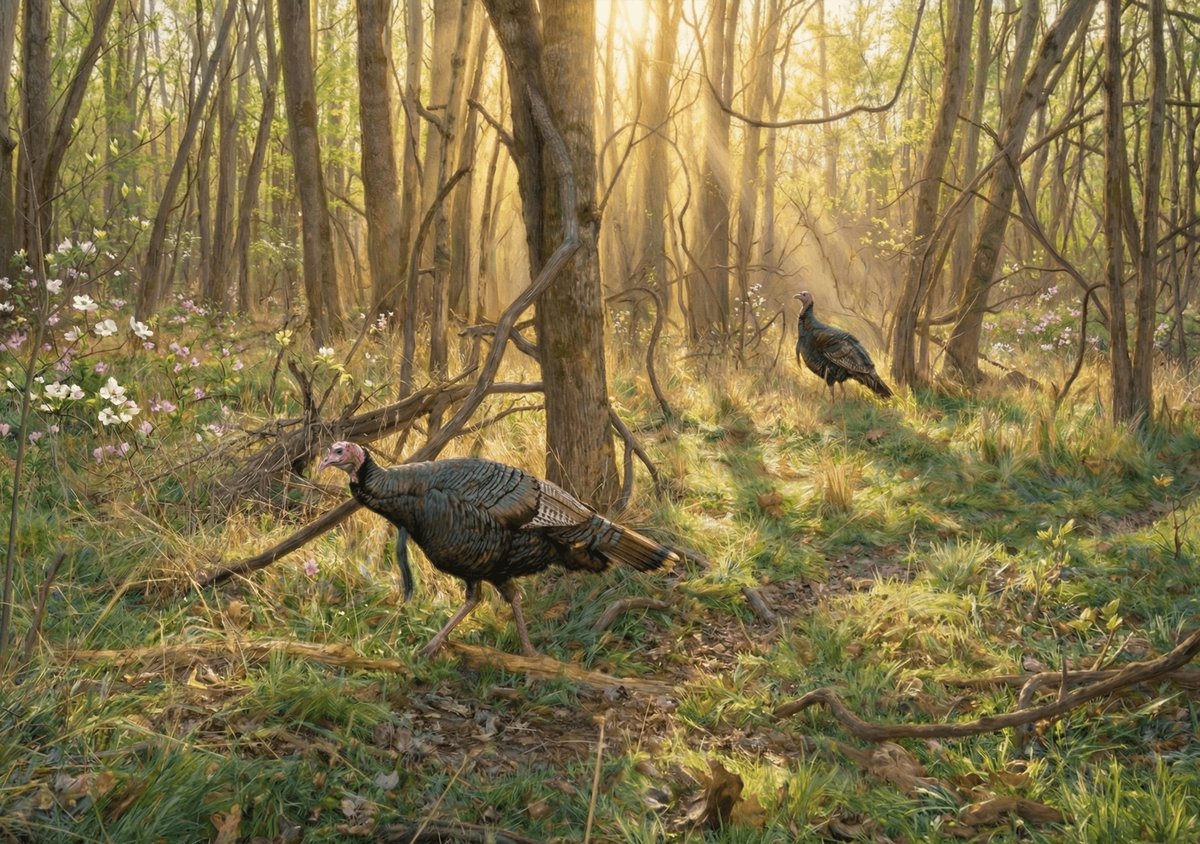
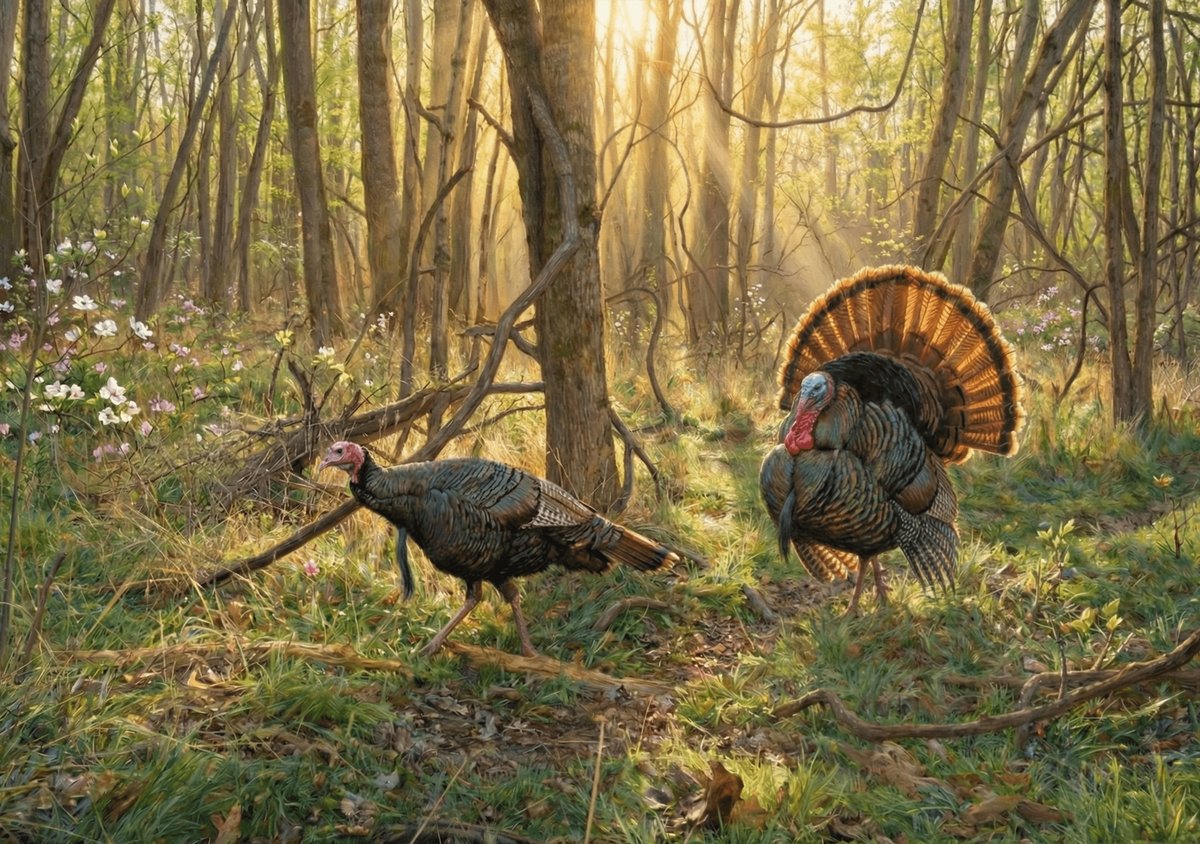
Looking for the perfect piece? Check out A Morning Stroll — one of our most popular canvas prints, gallery wrapped and ready to hang.
Whether you're gearing up for a turkey hunt or simply looking to enjoy the great outdoors, remember that preparation pays off. Be sure to check out our full collection of stunning wildlife art that celebrates the spirit of hunting and nature.