 Field
Field 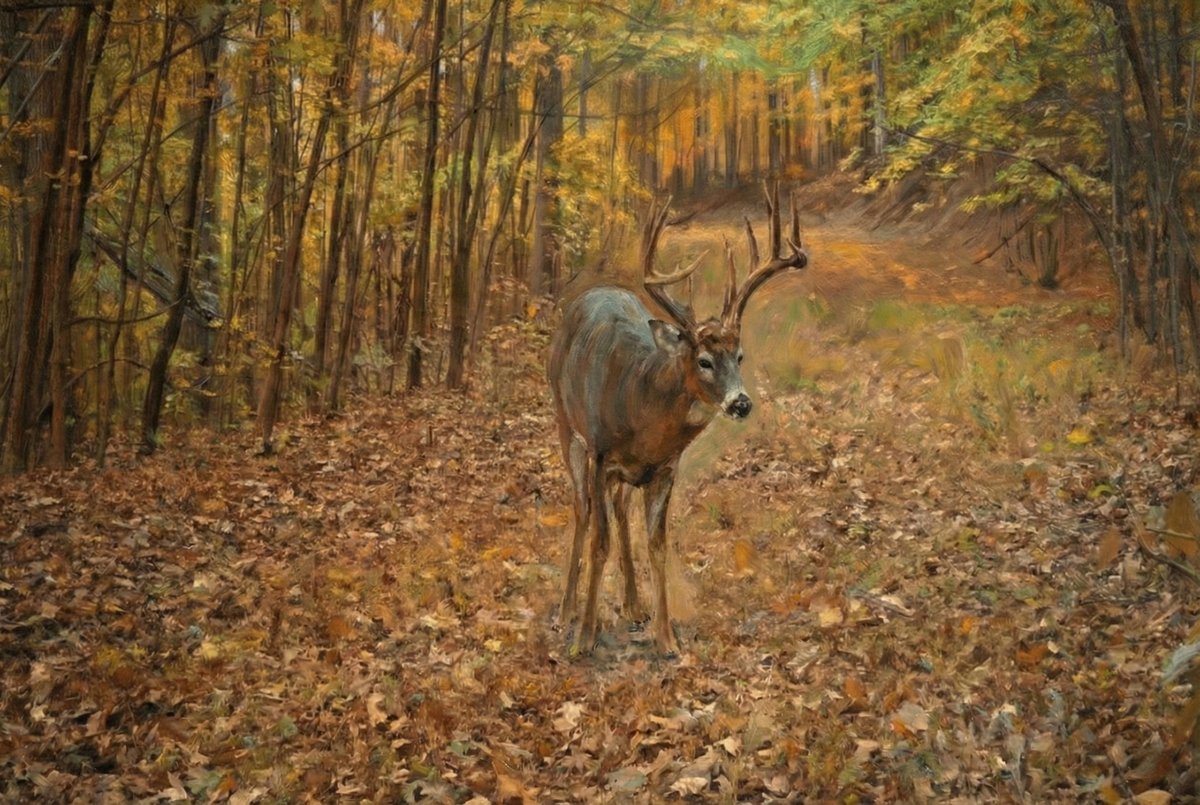
There’s a certain kind of electricity in the woods when November shows up. Even if you can’t quite name it, you feel it: the sudden urgency in buck movement, the way does seem to appear out of nowhere, the hush of frosty leaves under your boots. That’s the heart of deer rut art—not just antlers and action, but the tension, the timing, and the story behind every hoof print. If you’ve sat a stand on a cold morning and watched a buck materialize like smoke along a scrape line, you already know why the rut belongs on canvas.
At Field & Fen Art here in Milton, North Carolina, we’re in the same camp you are: we hunt, we watch, we remember. And we love the way a good wildlife print can hold onto a moment you only get a handful of times each season—if you’re lucky.
November deer behavior: what the woods are really saying
When folks say “the rut,” they usually mean chasing and grunting. That’s part of it, sure—but the real show starts earlier, and it’s written in sign. In much of the Southeast and across big chunks of whitetail country, November is when buck movement and daylight risk start climbing. Not because they suddenly got reckless, but because biology puts a thumb on the scale. Testosterone rises, bucks stop thinking in terms of “safe” and start thinking in terms of “right now.”
Here’s what’s actually happening when the woods feel different:
Scrapes and licking branches become communication hubs. A scrape isn’t just a dirt patch—it’s a bulletin board. Bucks paw, urinate, and work overhanging branches to leave forehead and preorbital scent. Mature bucks often hit these in a predictable loop, especially on the downwind side of doe bedding. If you find a “community scrape” with multiple tracks and fresh, wet dirt, you’re looking at a rut-time intersection.
Rub lines tell you direction and intent. Early rubs can be scattered. By November, rubs often stack into lines that connect bedding cover to staging areas, funnels, and doe pockets. The size of the rub isn’t the whole story—height and aggressiveness matter too. A rub shredded chest-high on a sapling with long gouges is often a buck that’s done being careful.
Does drive the calendar. The rut isn’t a buck party; it’s a breeding schedule. When the first does come into estrus, the woods change fast. That’s why you can sit the same stand two evenings and see nothing one day, then watch the whole place come alive the next. Pay attention to doe family groups: when they get jumpy, when they keep checking behind them, when they start moving earlier than normal. That’s the prelude.
All of that is why November deer moments don’t feel staged. They’re raw and situational—wind, timing, and instinct colliding. That’s also why the right artwork resonates: it’s not “a deer,” it’s that deer, in that light, in that kind of cover.
Rut hunting art starts with sign: scrapes, funnels, and wind
If you’ve ever hunted the rut seriously, you know you’re not just hunting deer—you’re hunting movement. That means reading the landscape the way a buck does when he’s cruising: where he can scent-check, where he can travel with cover, and where he can cut corners without exposing himself.
Funnels are your friend, but only the right ones. A funnel isn’t just a narrow spot on a map. The best rut funnels are places deer want to travel because the cover keeps them comfortable: the edge of a cutover meeting mature timber, a creek pinch with steep banks, a saddle that offers the easiest crossing, or a brushy hedgerow that lets a buck cruise downwind of bedding. During the rut, cruising bucks often move with the wind quartering into their nose, checking doe areas without fully committing.
Hunt the downwind side of doe bedding—carefully. In November, bucks frequently loop downwind of doe bedding to scent-check without stepping into the thick stuff. If you can set up where you cover that downwind edge—without blowing scent into the bedding itself—you’re in the game. The mistake a lot of folks make is pushing too close. You don’t need to see the bedding; you need to intercept the buck that’s scent-checking it.
Don’t ignore midday in November. Outside the rut, midday movement can feel like wishful thinking. During the rut, 10 a.m. to 2 p.m. can be prime, especially after a cold front or during the seeking phase when bucks are covering ground. If you’ve got the patience to sit through lunch, you’ll sometimes catch the kind of cruising buck that turns a season around.
That mix—sign, terrain, and wind—creates scenes that stick in your memory: a buck slipping a creek edge with his nose high, leaves rattling under his hooves, sunlight breaking through bare limbs. That’s the heartbeat of Forest Ascendant, a piece that feels like a buck rising out of timber with purpose. It’s not just posture; it’s intent—the kind you recognize immediately if you’ve watched a mature deer commit to a line of travel.
Deer rut art and the “chase”: when seconds feel like minutes
The chase phase is what most folks picture, and for good reason: it’s the loudest part of November. You’ll see a buck dogging a doe with stiff-legged urgency, ears forward, tongue out, pushing her toward isolation. Sometimes it looks chaotic, but there’s a pattern to it.
Does don’t run “from” a buck the whole time. A receptive doe will often move with purpose—leading, testing, slipping through cover. An unreceptive doe may flat-out bolt, and you’ll see short, frantic bursts with a buck tight behind. Knowing the difference matters for hunting because it tells you whether to expect a quick pass-through or a looping return.
Chasing tends to stack near doe security cover. During daylight, a lot of mature buck activity happens close to thick bedding cover where does feel safe. That’s why edges of cutovers, young pines, briar tangles, and creek-bottom thickets can be dynamite in November. Bucks are willing to move in daylight, but they still prefer to do it where they can disappear fast.
Vocalizations mean something—use them like a translator, not a remote control. A deep, tending grunt often signals a buck locked onto a doe. Shorter, more frequent grunts can happen during seeking. Snort-wheezes can be dominance plays, usually between mature bucks. Rattling can work, especially when bucks are sorting out pecking order, but it’s best used with context—near buck sign, in thicker cover, when you can’t be seen. The rut is emotional, but deer still survive by being cautious.
That’s why rut hunting art hits different: it freezes a moment you usually only get as a blur of movement and adrenaline. Embertrail Buck carries that November edge—the feeling of a buck lit by late-season color, moving like he’s got one thing on his mind. It’s the same energy you feel when leaves are down, the woods are open, and anything can step out at any second.
November deer, weather, and light: why the rut looks the way it feels
Ask any hunter what they remember most about November and you’ll hear a lot about temperature, wind, and light. The rut isn’t just behavior—it’s a season of atmosphere. Cold fronts sharpen movement. Frost makes every step loud. Wind swings your plan from one ridge to the next. And the light—good Lord, the light—turns the whole woods into a painting.
Cold fronts are nature’s green light. When a front pushes through and the temperature drops, deer often move earlier and with more confidence. After a warm spell, that first crisp evening can feel like the switch flips back on. You’ll notice it in the woods: more birds active, squirrels cutting again, and deer suddenly using edges in daylight.
Wind is both cover and danger. A steady wind can make deer bolder, especially in open timber, because it masks sound and movement. But it also keeps them honest: a buck cruising will use wind to his advantage, often traveling where he can scent-check large areas. For you, wind is the whole chessboard. The rut doesn’t erase a buck’s nose—it just convinces him to take more risks.
Snow and late-season weather sharpen contrast. Not everyone gets snow in November, but when you do, it changes everything. Tracks become stories you can read at a glance: direction, speed, even the hesitation where a deer paused to look back. It also changes the way you see deer—dark bodies against bright ground, breath visible, every movement crisp.
If you’ve hunted in driving weather, you know the strange calm it brings—the way the world narrows to sound, shape, and the rhythm of your own breathing. That’s exactly what Driving Snow feels like on the wall: not just winter for winter’s sake, but the mood that comes with it—quiet intensity, clean contrast, and the sense that wildlife is still moving even when most folks stay inside.
From cutovers to creek bottoms: rut hunting art that feels like home
One reason whitetails are so addictive is that they live where we live. They aren’t tucked away in some far-off wilderness; they’re in the same patchwork of timber cuts, farm edges, hardwood bottoms, and pine thickets you drive past every day. And during the rut, those everyday places turn into theaters.
Clearcuts and young pines are more than cover—they’re groceries and security. A fresh cutover is ugly for a year or two, then it turns into a buffet: browse, briars, saplings, and thick bedding. In November, that kind of cover holds does, and where does live, bucks will visit—often downwind, often on the edges, often when you least expect them.
Creek bottoms create travel corridors with built-in concealment. Even a small drainage gives deer a low, shaded route with softer ground and consistent cover. In rut time, bucks will cruise those bottoms because they connect bedding pockets and let them move with the wind rolling overhead. If there’s a crossing—shallow gravel, a bend with a sandbar, a log jam—watch it. Deer are habitual about the easiest path.
Hard mast and leftover groceries matter, even in the rut. Yes, bucks get distracted, but they don’t stop being animals. If there are late acorns, persimmons, or standing crops nearby, deer will still stage and feed—especially does. That’s your anchor. Rut movement often swirls around reliable food sources because does keep returning, and bucks keep checking.
That lived-in, real-deer landscape is why Clearcut Bedroom lands with hunters. It feels like a place you’ve glassed at last light or slipped into with a headlamp, trying to keep your steps quiet. It’s not romanticized wilderness—it’s whitetail country as it actually is, where bedding cover and edges decide the whole chess match.
When you want to bring those November memories indoors—without turning your space into a trophy room cliché—the best route is artwork that respects the animal and the habitat. That’s what we aim for across the Whitetail Deer Collection: pieces that feel like a hunt, not a headline.
If you’ve got a favorite phase of the rut—seeking along a scrape line, that first cold-front sit, the sudden chaos of the chase—take a look through the collection and see what matches your season. Not to “decorate,” but to keep a little November on the wall where you’ll see it every day.