 Field
Field 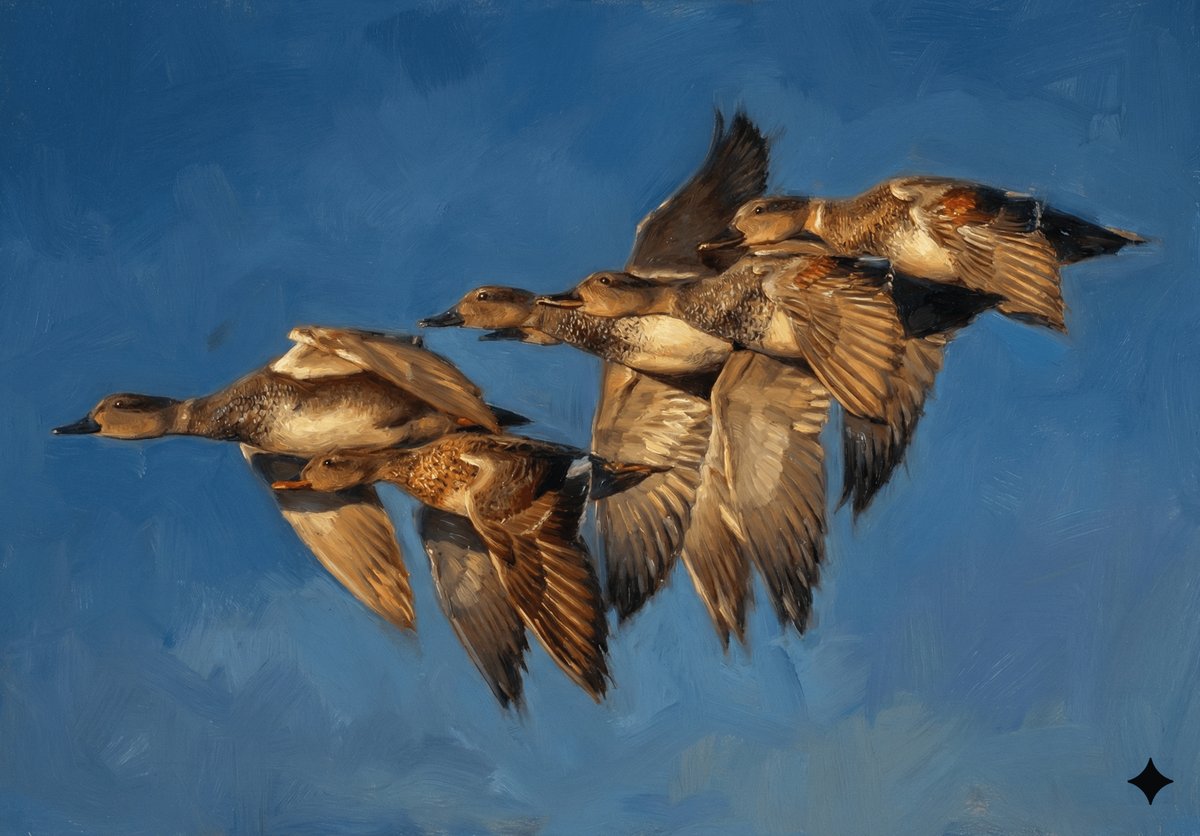
You don’t need a trophy budget to bring the outdoors inside. If you’ve been looking for affordable canvas prints that still feel true to the places you hunt, fish, and wander, there are plenty of ways to pick wildlife art that looks right in a den, a mudroom, or above the gun safe—without crossing the $50 line. The trick is knowing what makes a “cheap” print feel cheap…and what makes a budget-friendly canvas feel like it belongs in a camp that’s seen a few seasons.
At Field & Fen Art in Milton, North Carolina, the goal isn’t to dress up wildlife with fluff. It’s to capture the kind of scenes you recognize—cold mornings, old roads, birds with attitude, and animals doing what they actually do when nobody’s watching. Below are a few practical, hunter-minded tips for choosing wildlife art under $50 that still carries the mood of the field, plus a handful of pieces worth a closer look.
Affordable canvas prints that still feel like the real woods
A lot of “cheap canvas prints” fail for one reason: they don’t understand light. If you’ve sat on a stand through first legal light, you know the woods don’t brighten evenly. The bottoms come alive slowly, ridgelines hold shadow, and everything looks blue-gray until the sun finally finds an opening. Good wildlife art—especially on canvas—respects that. Even when a print is under $50, you want it to show believable contrast: frosty highlights, deeper shadow pockets, and a sense of distance that feels like you could step into it.
Another thing to look for is honest habitat detail. Hunters notice when a winter field looks like a stock photo or when a “forest” is just a green blur. The right print shows cues your brain trusts: the way old grass lays in the wind after a hard freeze, the pattern of bare branches against snow light, or the soft edge where a hedgerow meets a cut. Those small cues are what make a budget piece still feel like it belongs in your space.
If you’re the type who keeps a mental map of every corner you’ve ever scouted, a piece like The Old Place hits home. It has that winter homestead feel—quiet, weathered, and familiar—like the kind of property you glass on the drive past, always half-expecting to see a doe step out to feed before dark. It’s the sort of scene that reminds you why late season can be your favorite, even when your fingers aren’t.
Wildlife art under 50: choose scenes that match your season
When you buy wildlife art under 50 bucks, matching the “season” of your room is an underrated move. Not decor-season—hunting season. Think about what you actually carry in your head most of the year. For some folks it’s early fall: oak leaves turning, squirrels working, and the first cool mornings that smell like possibility. For others it’s deep winter: hard crust on the ground, breath hanging in the air, and animals moving with purpose because calories matter.
That seasonal match matters because it changes the way you live with the art. A winter piece makes your room feel like a late-season sit: quiet and patient. A bird piece can bring in that restless, bright energy you get when the woods are full of sound. A road or bridge scene can feel like scouting—those in-between miles where you’re watching ditches, edges, and crossings, reading the land like it’s telling you something.
For winter energy done right, take a look at Frostbound Companions. Winter wildlife behavior is all about efficiency. In the cold, animals don’t waste movement; they use cover to cut wind, follow packed routes, and stick close to reliable food. You’ll notice in real life how tracks funnel—down old lanes, along treelines, or into sheltered pockets. Art that captures that “together against the weather” feeling tends to land well in a hunter’s home, because you’ve lived that cold and you know what it means when animals bunch up, bed tighter, and move with intention.
Cheap canvas prints, but make them camp-worthy (detail, mood, and story)
There’s nothing wrong with cheap canvas prints—if “cheap” means accessible, not careless. What you want is a print that still tells a story. The best pieces don’t just show an animal; they show the moment around the animal. That’s what makes you stop mid-stride and look again, the same way you pause when something in the timber doesn’t feel quite right.
Here’s a simple test: does the scene suggest sound? You can almost hear some prints—the dry rasp of cattails, the soft wingbeat of a bird lifting off, the distant creak of a cold tree. That’s mood, and it’s one of the biggest differences between “budget art” and art you’ll keep for years.
Birds are especially good at carrying story because their behavior is readable if you’ve spent time outdoors. A small songbird isn’t just pretty—it’s an alarm system. When the chickadees go quiet or the sparrows flush in a nervous burst, you pay attention. That’s not romantic; it’s field sense. A piece like Pretty Bird Oil brings that kind of sharp, lively presence into your room. It’s the visual equivalent of hearing a few quick notes from the brush and knowing the woods are awake.
And if you’ve ever hunted near water, you already know the value of edges. Creeks, culverts, beaver runs, and crossings are natural funnels—wildlife uses them because they’re the path of least resistance, and predators use them because that’s where opportunity stacks up. A “camp-worthy” canvas doesn’t have to show a buck at full strut to feel authentic; sometimes a road, a crossing, or a boundary line tells more truth than antlers ever could.
That’s why Pay The Toll works so well for folks who love to scout. Crossings are where you learn to read traffic: the direction of tracks, the churn of mud, the faint drag marks, or the way the grass is laid over after a night of movement. It’s the kind of place you check after a rain because the ground tells you what passed through. Hang a scene like that and it doesn’t just look good—it reminds you to keep paying attention.
Affordable wildlife canvas prints: pick the right size and placement for your space
Staying under $50 often comes down to size, and that’s not a compromise if you place it like you mean it. Smaller canvases look best where the eye naturally pauses: at the end of a hallway, above a coat rack, by a boot bench, or near the spot where you set your pack after a long day. Those areas already carry “outdoor life” energy—mud, wool, waxed cotton, old maps, spent tags—and a well-chosen wildlife canvas fits like it’s always been there.
If you want a print to feel larger without paying for a larger canvas, build a little story wall. Pair two or three small pieces with practical items: a shed antler, a vintage call, a framed topo map of your favorite block of public land. Suddenly the art isn’t trying to be a centerpiece; it’s part of your life. That’s the difference between decorating and remembering.
Also consider light. Canvas has a soft texture that plays well with warm bulbs. If your room has a lot of natural light, a winter scene can keep the space from feeling too bright and washed out. If your room is darker—say a basement den—bird art or scenes with stronger contrast keep things from turning muddy on the wall. You’re not just choosing an image; you’re choosing how it will live in your daily light, the same way you choose a stand based on wind and sun.
Where to find wildlife art under 50 that doesn’t feel mass-produced
Hunters tend to have a good nose for things that are “made to sell” instead of made with understanding. The best wildlife art under 50 dollars usually comes from artists and small brands who actually know the subject—because they’ve watched animals long enough to catch real posture, real tension, and real calm.
Field & Fen Art is rooted in North Carolina, where you get a little bit of everything: hardwood bottoms, open fields, winter edges, and the kind of weather that can change your plans fast. That blend shows up in the work. Whether you’re drawn to the quiet nostalgia of The Old Place, the cold camaraderie in Frostbound Companions, the bright alertness of Pretty Bird Oil, or the scouting-ground story in Pay The Toll, each one feels like it came from time spent paying attention.
If you want to browse more options and find the piece that matches your season—early frost, deep winter, birdy mornings, or backroad crossings—you can take a look at the full collection. No rush. Just scroll like you’d glass a field edge: slow enough to notice what wants to be noticed.