 Field
Field 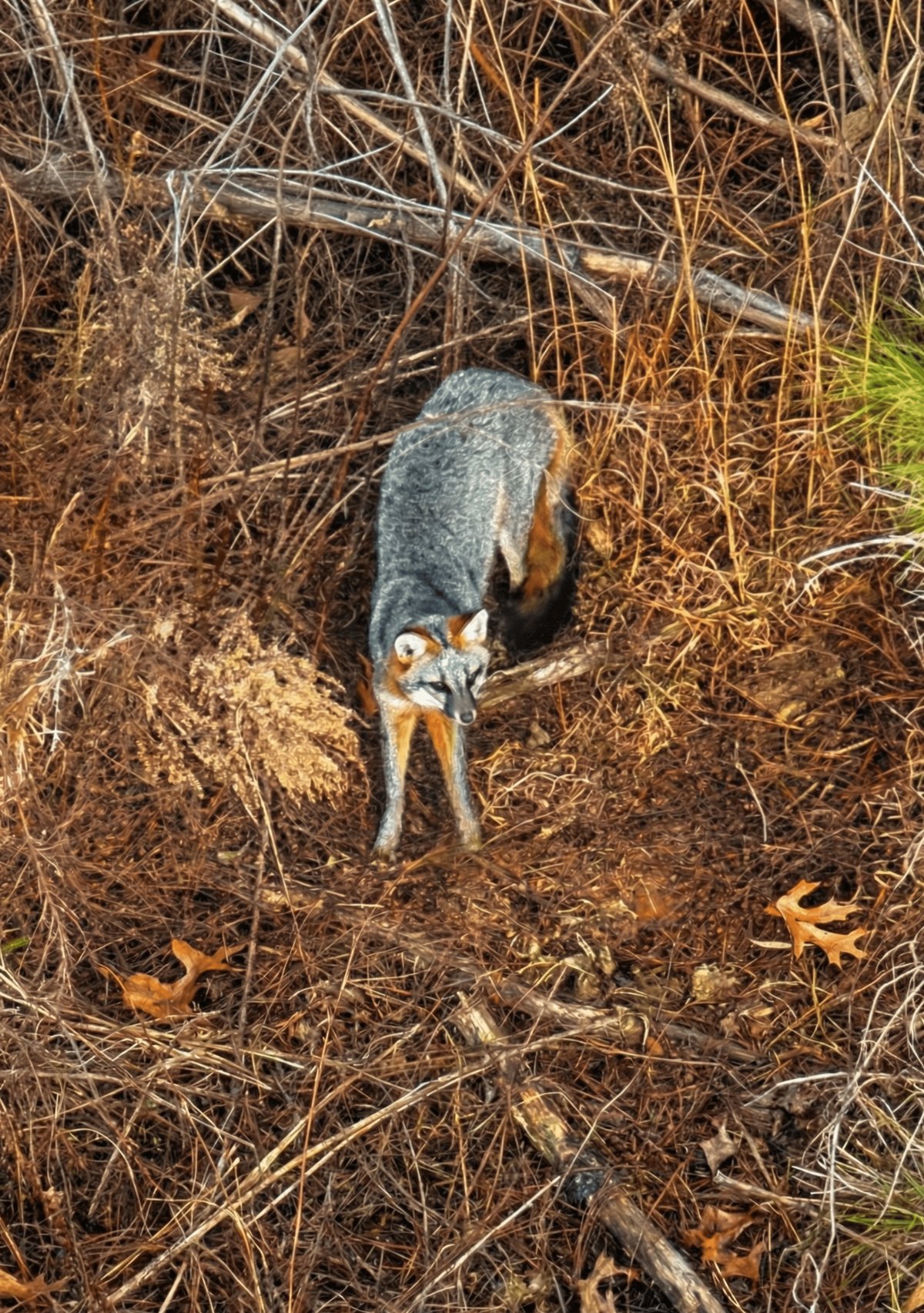
There’s a reason impasto wildlife art stops you mid-scroll the way a flash of white tail freezes you on a logging road. Texture hits different. When paint is laid on thick—raised ridges, knife marks, little peaks that catch the light—it doesn’t just show a subject, it gives it presence. If you spend your mornings reading wind, watching shadow lines, and listening for that single twig snap that doesn’t belong, you already understand why texture matters: the outdoors is never flat.
At Field & Fen Art here in Milton, North Carolina, we’re drawn to work that feels like it has weather in it—work that looks like it’s been out in the same cold you’ve sat through, or under the same hard, slanting sunrise you’ve watched from a stand. Impasto is one of the best tools for that job because it mimics the way nature actually shows itself: layered, imperfect, and alive.
Impasto wildlife art: texture that feels like feathers, fur, and frost
In the field, you don’t identify animals by a crisp outline. You catch pieces: the way a squirrel’s tail flicks like a metronome, the soft blur of a doe’s ear turning, the glint of an eye under a hemlock limb. Impasto works the same way. Thick paint builds a surface that your eyes read as real because it behaves like real surfaces behave.
Take feathers, for example. A songbird’s breast isn’t a single color—it’s a stack of tiny structures that grab light at different angles. On a cold morning, that bird puffs up, trapping air for insulation, and suddenly the whole shape changes. Impasto can show that “puffed” volume without needing photographic detail. A few raised strokes on the breast, a scrape of lighter paint across the crown, and the piece starts to breathe.
You can see that kind of liveliness in Pretty Bird Oil. The texture reads like real feather layers: not overly polished, not sterile—more like what you actually see when a small bird hops into a sun patch and you get two seconds of perfect light before it’s gone again.
Fur is another story. Anyone who’s handled a late-season deer knows the coat changes—hollows and guard hairs, thicker underfur, a different sheen depending on moisture and temperature. In an impasto painting, those thick ridges can suggest guard hairs catching the edge light at dusk. The shadows between raised strokes can mimic the depth of a winter coat. It’s not just “a deer”; it’s the deer you watched step out of a cedar thicket with frost still clinging to its back.
Oil painting texture and the way light behaves at dawn and dusk
If you’ve hunted long enough, you know the first and last light aren’t just “golden hour.” They’re information. You can see steam roll off a creek, watch a field edge brighten before the timber does, and track how shadows stretch across a cutover. Light is the translator between you and the landscape.
Oil painting texture—especially impasto—gives light something to work with. Raised paint creates micro-shadows. It catches highlights differently depending on where you stand, the same way wet leaves shine at one angle and go black at another. That shift is why textured wildlife art can feel like it’s moving, even though it’s still.
Think about a frosty morning when everything is quiet except the occasional squeak of snow or the faint drip of thaw. Frost doesn’t sit evenly. It crystals on the windward side, clings to wire, dusts the tops of grass stems. In texture-heavy painting, those uneven ridges mirror the randomness of frost. It’s a small thing, but your brain recognizes it as truth.
Frostbound Companions leans into that winter honesty—the kind where the cold isn’t a backdrop, it’s part of the story. If you’ve ever watched animals tighten up their movement in deep cold—shorter steps, less wasted motion—you know how much the season changes the whole mood of the woods. Texture helps carry that mood.
Textured canvas prints that hold up to real rooms (and real seasons)
Most hunters and outdoors folks don’t live in showrooms. Your house has mud-season boots by the door, maybe a Labrador shaking off water, maybe kids who think a pinecone belongs on the kitchen counter because it’s “cool.” Art in a real home has to feel like it belongs there—like it’s part of the same life that includes early alarms and late returns.
That’s where textured canvas prints shine. The canvas surface already has tooth—little hills and valleys that echo the grit of the outdoors. When a piece is reproduced well on canvas, it keeps the character of the original brushwork and palette. You don’t just see color; you see the marks that made it.
Texture also fits the way hunters actually remember places. Not as perfect panoramas, but as layered moments: the rough bark you leaned against, the damp smell of leaf mold, the way wind combed through broomstraw. A textured print feels closer to that memory than something overly slick, because the surface has its own topography—like terrain.
If you’ve ever stood on a hardwood ridge after rain and watched fog lift from the hollows, you know the land isn’t “smooth.” It’s ridges and cuts and soft places and sharp places. A textured canvas print nods to that, even in a living room.
Why wildlife behavior looks more real when the paint has depth
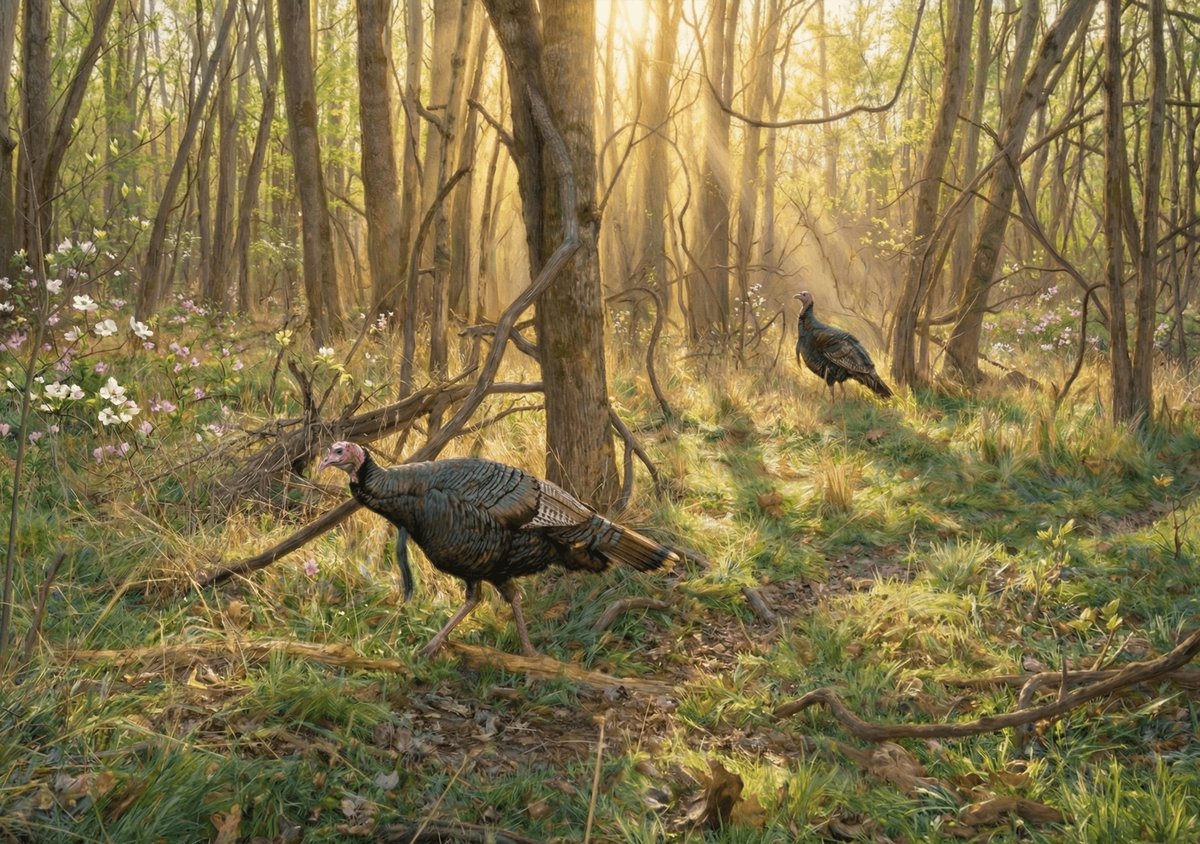
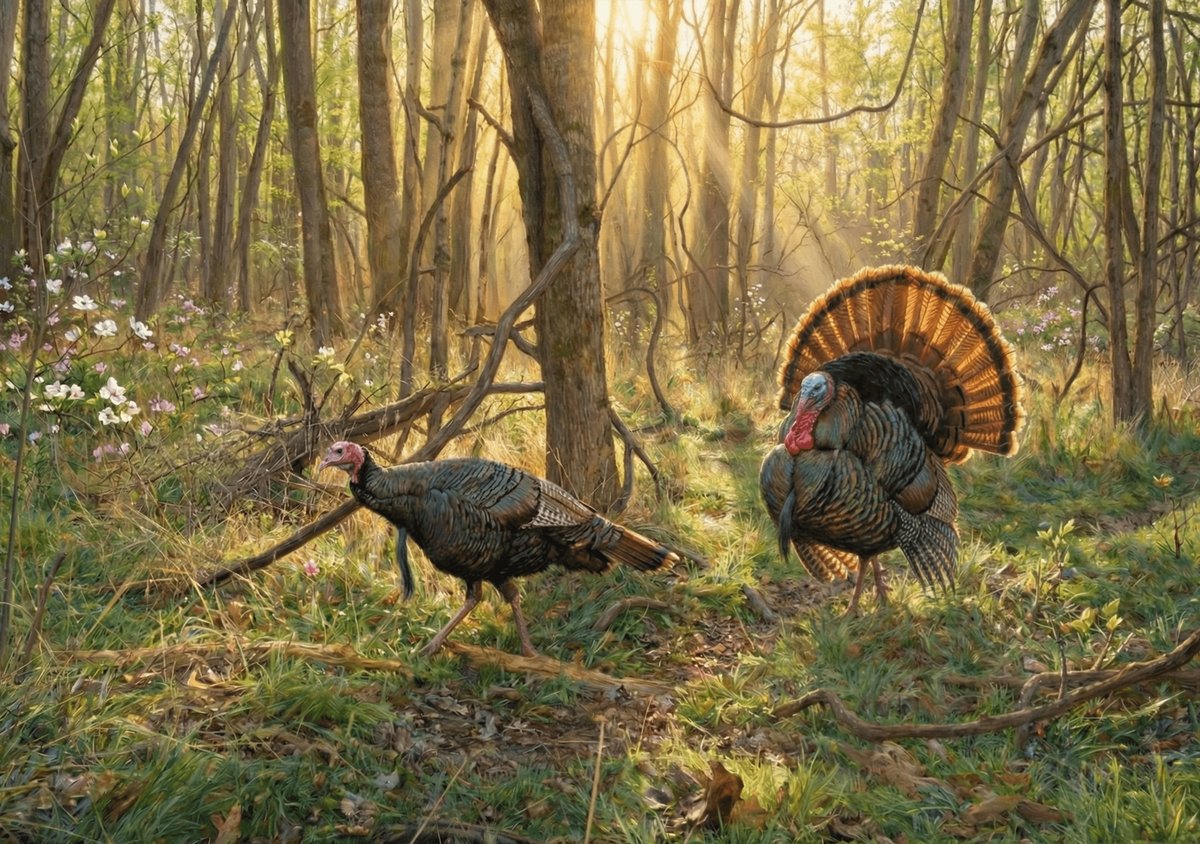
Wildlife art can look “right” or it can look alive, and the difference often comes down to whether the artist understands behavior—not just anatomy. Hunters do. You recognize a whitetail’s posture when it’s relaxed versus when it’s about to blow. You know the difference between a feeding head-down deer and a deer that’s head-down but listening hard. You can spot the tension in a turkey’s body when something feels off, even before it puts.
Impasto supports that behavioral storytelling because thick paint can emphasize the places where energy lives: the shoulder line, the twist of a neck, the flare of feathers, the push of wind through grass. A raised stroke along a back can suggest a bristle of alertness. A scraped, thin area can feel like quiet space—still air, held breath.
Take the idea of a crossing—any spot where movement funnels. Old logging roads, creek crossings, saddle points, the downwind edge of a bedding area where does stage before stepping out. Animals use these places with intention. An artwork that understands that will feel different, because it’s rooted in real patterns, not just a pretty pose.
Pay The Toll taps into that sense of a threshold—where something has to pass through, and where the watcher (that might be you) knows it. If you’ve ever sat a pinch point and felt time slow down as the woods decide whether to show you anything, you’ll recognize the tension that comes from a place being more than a place. Texture gives that tension a physical presence.
And then there are the homesteads and old places—the human edges that wildlife learns like a second map. Deer skirt old fence lines. Foxes work brushy ditches. Owls hunt field margins where mice run the same routes night after night. An abandoned yard can be a bedding pocket. A windbreak can be a travel corridor. You’ve probably watched animals use old human structure with zero sentiment, just pure practicality.
The Old Place carries that kind of story—the winter quiet of a remembered structure and the way the land slowly reclaims what people left behind. If you grew up hunting family property or knocking on doors for permission, you know how much history can live in a single corner of woods. Texture helps that history feel tangible, like you could run your fingertips across weathered boards.
Bringing it home: choosing oil painting texture that matches your season
Picking wildlife art is a lot like choosing where to hunt. You’re not just choosing a “species” or a “scene.” You’re choosing a feeling you want to live with. Some folks want the crisp energy of first light and wingbeats. Some want the hushed weight of late-season cold. Some want a landscape that reminds them of where they learned to sit still.
Here’s a simple way to think about oil painting texture when you’re browsing:
Look for raised highlights where you’d expect light to hit in real life—along a bird’s shoulder, the top edge of a muzzle, the rim of a snow drift. Those are the spots that will shift as you walk past the piece, the way a real animal seems to appear and disappear in cover.
Notice the “quiet” zones too. Good impasto isn’t thick everywhere. Artists often leave smoother passages so your eye can rest—like a pocket of still air in the lee of a ridge. That balance between textured detail and calm space is what makes a piece feel like the outdoors instead of just a close-up.
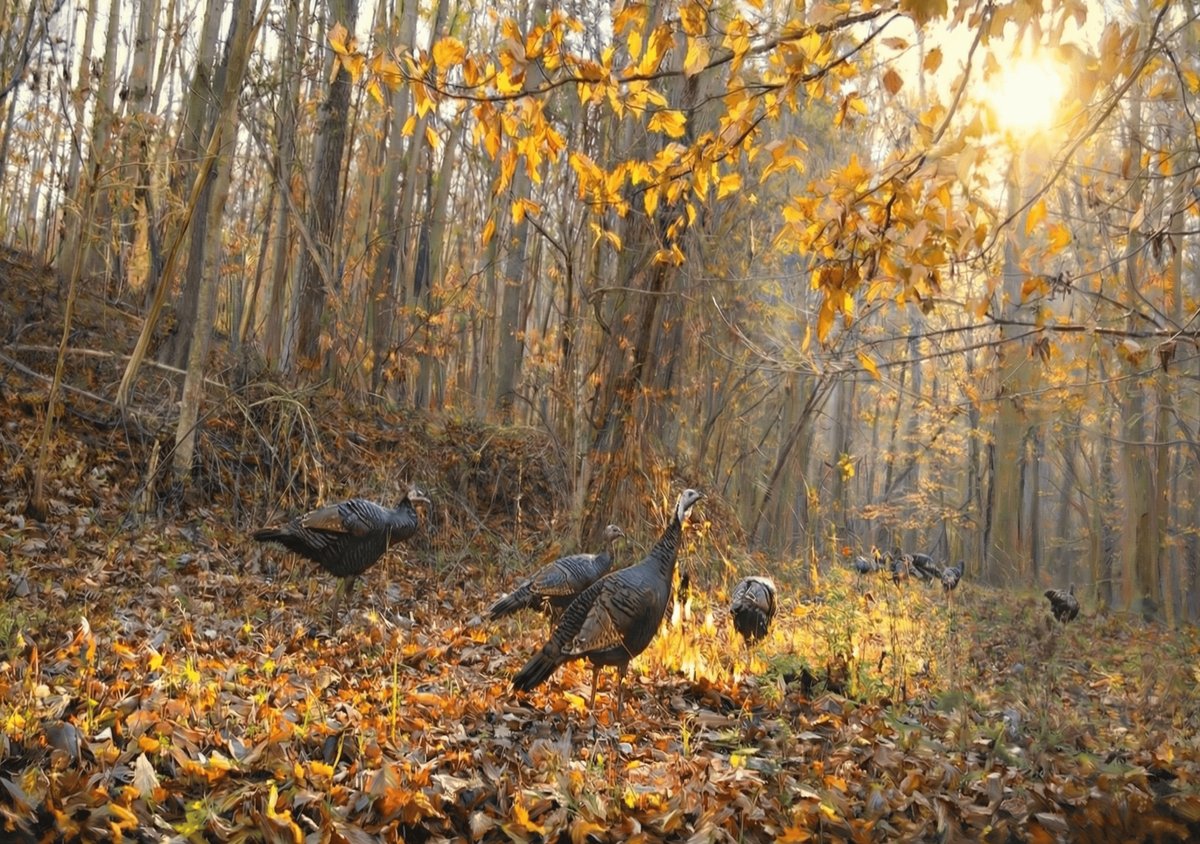
Match the texture to your memories. If your favorite hunts are wet and green—river bottoms, swamp edges, spring gobbler mornings—look for work with looser, more energetic strokes. If you live for late-season sits and the discipline of cold, look for heavier, more deliberate texture that feels like layered clothing and slow breath.
If you want to see more pieces that carry that kind of depth—work that respects the land and the animals that live on it—you can take your time browsing our full collection. No rush. Just see what feels like your woods, your water, your season.