 Field
Field 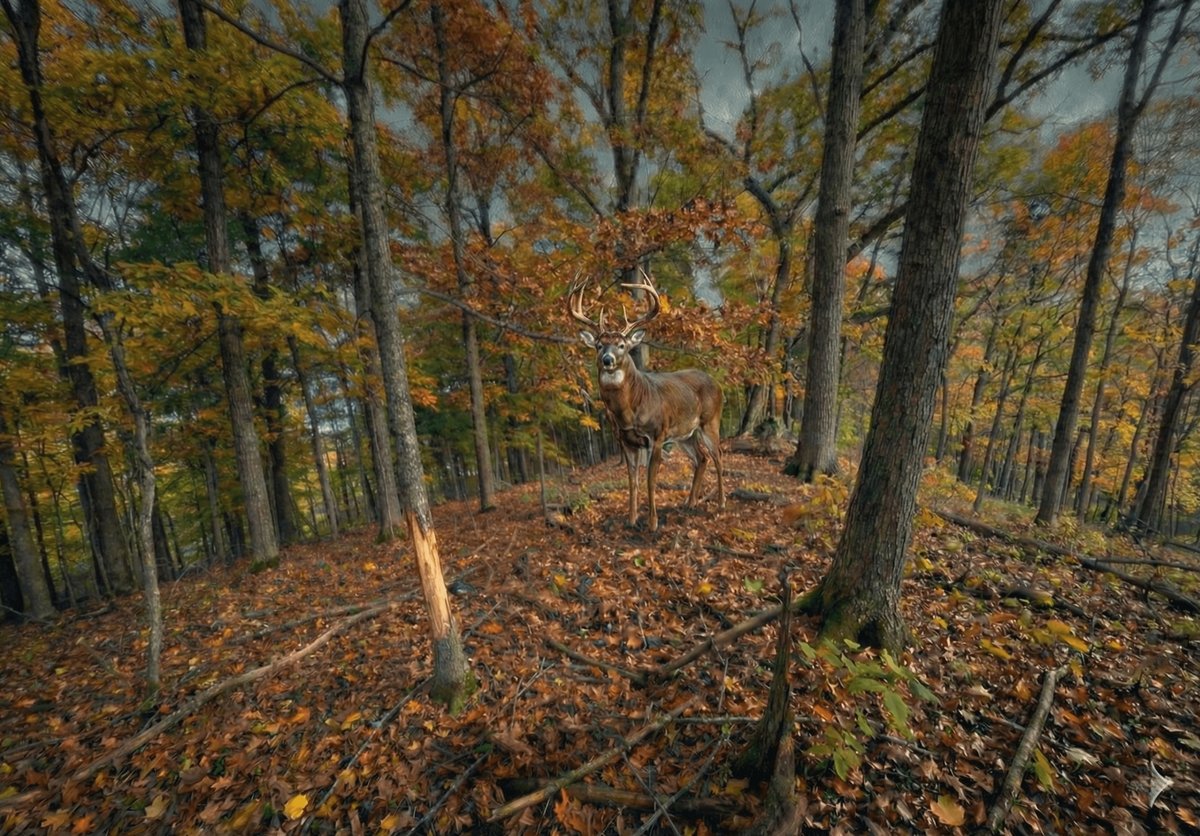
You don’t have to “get” galleries to love good hunting art. If you’ve ever sat still long enough for the woods to forget you’re there, you already understand what most folks miss: the light changes by the minute, animals speak in patterns, and every decision you make leaves a mark. That’s why hunters make the best art lovers. Your treestand isn’t just a place to kill time—it’s a front-row seat to the kind of detail an artist spends a lifetime learning to see.
At Field & Fen Art in Milton, North Carolina, we build canvas prints for people who know what a cold, clear morning smells like and how loud a single leaf can be when the woods are still. If you’ve ever traced a buck’s route without laying eyes on him, or watched the wind betray you at the worst moment, you’re already practicing the same kind of attention that makes wildlife art hit harder. Let’s talk about why.
Treestand art starts with the discipline of staying still
Most people think the hardest part of hunting is the cold, the climb, or the early alarm. But you know the truth: the hardest part is sitting still when your mind is racing and your body wants to move. That stillness changes what you notice. After twenty minutes, the “quiet” becomes layered—squirrels cutting hickories, a woodpecker working a dead snag, the soft tick of acorns dropping into leaves. You start hearing distance, not just sound.
That’s where treestand art comes from: not just the animal, but the atmosphere around it. When you sit long enough, you begin to see how deer use cover. In early season, they’ll feed and stage on the edge, nose to the wind, ears pivoting like satellite dishes. When pressure ramps up, they slide into thicker stuff and move with a purpose—less meandering, more “get there without being seen.” You notice how a buck angles through a cutover to keep the wind quartering into his face, using terrain to hide his approach. You see the difference between a deer that’s relaxed—head down, tail quiet—and one that’s suspicious—head high, nose working, feet placed carefully like it’s stepping around landmines.
Hunters don’t just watch wildlife. You study it. You catalog it. And when you bring a canvas print into your home, you’re not buying “a deer picture.” You’re hanging a memory of that kind of seeing—of being there when the woods were honest.
If you want a piece that feels like that charged stillness right before movement, take a look at Forest Ascendant. It carries that treestand perspective—vertical timber, layered depth, and that sense that something powerful could step into view at any second.
Hunting art honors the little sign that tells the whole story
Anybody can admire antlers. Hunters appreciate the sign that led to them. The gouged sapling where a buck worked a rub line in late October. The fresh, shiny shavings on the bark that tell you it wasn’t last week. The scrape under an overhanging licking branch—pawed down to dirt, urine soaked, and checked by multiple deer like a community bulletin board.
You’ve seen how a mature buck treats those places differently than a young deer. Little bucks blunder in anytime. A big one often checks from downwind first, easing in with the wind on his nose and cover at his back. If you’ve hung a set on a primary scrape, you know the timing can be maddening—he might hit it in shooting light three days straight and then vanish when the first cold front hits and the pressure spikes. Or he might show up at noon during the first doe cycle while everyone else is eating lunch.
That’s why the best hunter wall decor doesn’t feel staged. It feels earned. It holds the tension between what you know and what you can’t control—wind, thermals, pressure, and that one limb that always seems to be in the way. Art that gets it doesn’t need a caption. You’ll look at it and remember the exact sound of leaves under careful hooves.
For a piece that leans into the personality of antlers—bold, gritty, and a little wild—there’s Drippy Tines. It’s the kind of print that feels like a late-season garage story: close look, good light, and a buck that makes you stop mid-sentence.
Treestand views teach you how whitetails move—light, wind, and pressure
A hunter’s appreciation for art is tied to reality: you know what it takes for a deer to show up. You’ve watched movement shift with barometric pressure and moon-bright nights. You’ve seen how a warm spell can shut down daylight activity, then a sharp temperature drop flips the switch and puts deer on their feet early. You know the difference between a steady wind that lets you hunt confidently and that swirling, indecisive breeze that makes you question every setup.
Thermals are their own language. In the evening, cooling air slides downhill; in the morning, warming air rises. If you’ve hunted hill country—or even subtle drainages in the Piedmont—you’ve felt the way your scent can “pool” in low spots at first light, then lift as the sun warms the slope. You’ve watched deer use that. A buck bedding on a point with the wind at his back can smell what’s above and see what’s below. He didn’t get old by being careless, and you don’t get consistent by pretending wind doesn’t matter.
Then there’s pressure. The woods change when the orange army hits. Deer go from strolling field edges to using inside corners, ditch lines, and thick transition cover. They’ll move earlier in overlooked spots—tight to bedding, downwind of access trails, or in narrow strips of timber everybody walks past because it “looks too small.” When you’ve witnessed that shift year after year, you start loving scenes that show more than an animal. You want the story in the background: cover, shadow, and escape routes.
Embertrail Buck carries that late-day feeling—the kind of evening when everything glows for a few minutes and you can almost predict the exact trail a deer will use. If you’ve ever watched a buck appear like a ghost at the edge of shooting light, you’ll recognize the mood.
Hunter wall decor that captures November—because you know the rut isn’t a myth
People talk about “the rut” like it’s a single week where deer lose their minds. You know it’s more nuanced. Early pre-rut brings more daylight movement and more honest sign—bucks checking scrapes, making rubs, shadowing doe groups. Then the first does come in, and things get weird fast: a buck that was predictable becomes a traveler, covering ground with his nose to the wind, cutting tracks along downwind edges.
Chasing is the flashy part, but the real magic is often quieter. A mature buck cruising a ridge line just inside the timber, scent-checking doe bedding on a crosswind. A buck pausing behind a screen of saplings, scanning before he steps out. If you’ve rattled, you know the sound can pull in a curious young buck quick—but the older deer might circle downwind and show up ten minutes later where you can’t see him. That’s not superstition. That’s experience.
And when the woods do explode—when a buck breaks cover with that stiff-legged urgency and a doe is cutting hard—it feels like a scene you didn’t plan but somehow got invited into. That’s why November lives in your head all year. Not because it’s easy, but because it’s alive.
If you want a print that feels like that moment when things finally happen fast, Sweet November Breakout nails the energy. It’s movement and intent—the kind of scene that makes your heart kick even when you’re standing in your living room.
Why whitetail hunting art belongs where you tell your stories
There’s a difference between decorating and claiming a space. A lot of homes have “outdoor themes.” But the places hunters live—your den, your office, that corner where you keep old tags and trail cam cards—those places carry stories. The best hunting art doesn’t try to impress visitors who don’t hunt. It connects with the people who do.
You might hang a print because it reminds you of a specific kind of morning: frost on the rails, breath hanging in the air, your hands warmed around a thermos. Or because it echoes your own ground—thick pine edges, hardwood bottoms, that one narrow funnel where you’ve had the best encounters. Art becomes a way to keep the season close when the woods are green and loud again, when the stand is quiet and the rut is just a calendar date.
At Field & Fen Art, we’re partial to whitetails because they’re not just iconic—they’re complicated. They’re edge creatures and survivors, masters of wind and cover, and they’ll humble you no matter how many seasons you’ve got behind you. If that’s your world, you’ll find plenty to relate to in our Whitetail Deer Collection.
If you’re in the mood to bring a little treestand perspective indoors—something that feels like real woods, real deer, and real seasons—take a slow look through the collection and see what scene feels like yours.