 Field
Field 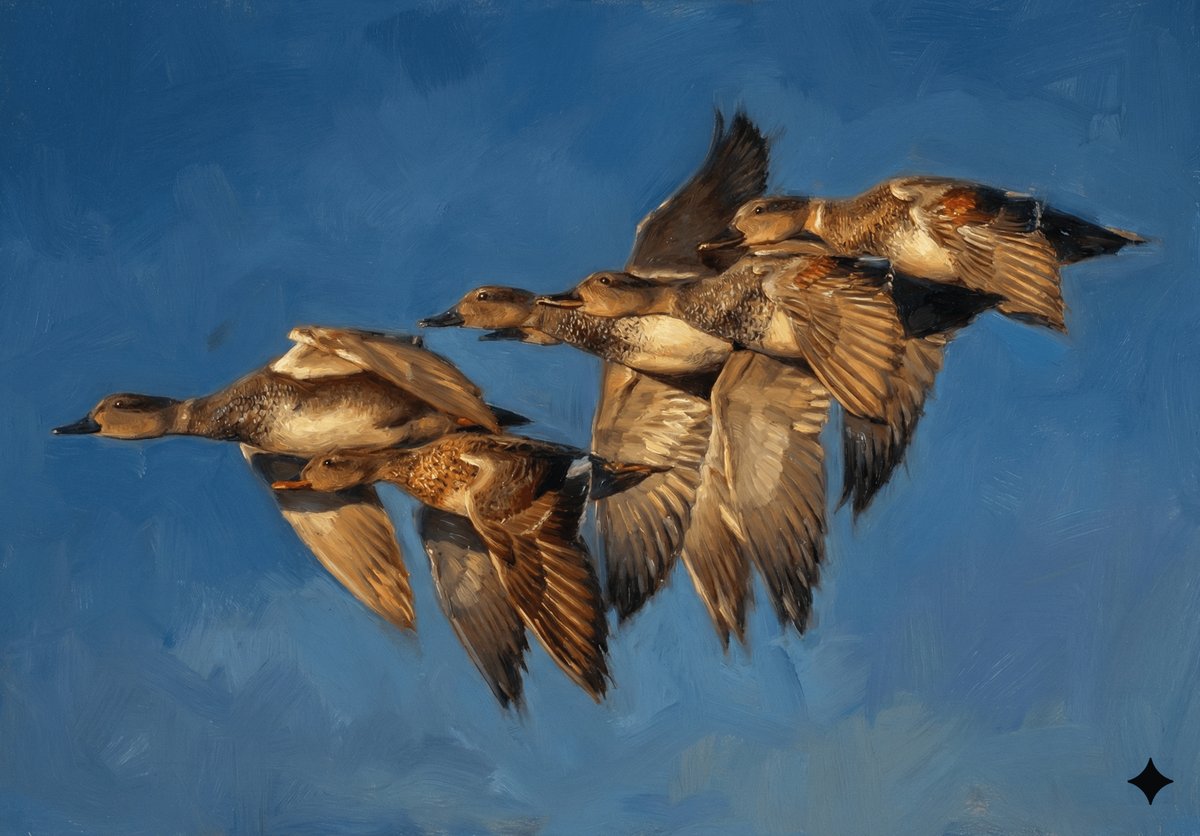
There’s a reason waterfowl art sticks with you long after the straps are hung and the decoys are back in the shed. Ducks live at the intersection of weather, water, and instinct—always moving, always reading the next shift. In this guide, we’re walking through the species and scenes that show up again and again in great waterfowl art, especially the kinds you’d be proud to hang in a mudroom, den, or camp—because they don’t just look good, they feel like a morning you’ve actually lived.
If you’re here for a “duck chart,” you won’t find one. What you will find is a species-by-species look at how ducks behave, how hunters and birders recognize them in real time, and why certain moments—drop-in wings, tight family rafting, the first skin of ice—make the best duck canvas prints. If you want to browse the whole lineup as you read, the Waterfowl Collection is a good place to keep open in another tab.
Marsh Classics: Mallards, Pintails & Teal in Duck Species Art
When folks say “duck,” most of us picture a mallard first—and for good reason. Mallards are the marsh’s anchor species: adaptable, vocal, and stubbornly willing to use small water if it offers groceries and cover. Early season you’ll see them tucked into shallow flooded grass or loafing on the lee side of a cattail edge where the wind can’t bother them. Late season, after they’ve heard every call and seen every spread, they get tighter-lipped and pickier, sliding into back pockets at last light or trading high and quiet until they’re sure.
In duck species art, mallards shine because their contrast reads from across a room—the drake’s green head against bronze cattails, the hen’s warm mottling against winter water. If you’ve ever watched a pair tip-up in shin-deep smartweed, tails wagging, you know that calm, utilitarian feeding posture can be just as iconic as a full cup-and-commit.
Pintails bring a different energy: long, elegant lines and a tendency to “ghost” the spread. They love open country—prairie potholes, big sheetwater, shallow flats—and they often give you that heart-stopping look where they set wings early, then slide and drift like they’re testing you. Pintails are also notorious for circling wide and landing on the edge first, where they can see everything. When you see pintail-themed duck canvas prints done right, it’s the posture that sells it: that long-necked, wary glide, feet barely ready to drop.
Then there are teal—your fast-twitch reminder that not all ducks read the same playbook. Blue-wings in early season can appear like thrown stones, ripping the marsh at head height, banking hard, gone before your brain catches up. Green-wings in cold weather act like little missiles that still manage to land in a teacup. Teal-heavy scenes work because they’re motion captured: tight groups, sharp banks, and that “blink and you’ll miss it” urgency that makes September mornings feel electric.
Big-Water Ducks & Diver Drama: Canvasbacks, Redheads, and More Duck Canvas Prints
If puddle ducks are about edges and groceries, divers are about commitment to open water and the confidence to use it. Diver ducks live where wind has room to work: big lakes, broad rivers, coastal sounds. They raft up in big groups, feed by diving (obviously), and often approach spreads with a different rhythm—lower, faster, and more direct than a flock of wary late-season mallards.
Canvasbacks sit at the top of that big-water mystique. They’re built like a performance boat—long, powerful, and made to drive through weather. They key on submerged vegetation like wild celery when they can get it, and when they decide to finish, it often looks like a freight train: wings locked, chest forward, feet ready late. That exact moment—when a can is committed and the world narrows to splashdown—is captured beautifully in Canvasback On Final Approach. If you’ve ever watched cans swing once and then drop in like they’re on a wire, you’ll recognize the posture immediately.
Redheads and ring-necks bring their own tells, too. Redheads can act like they own the place, especially in big rafts where safety is a numbers game. Ring-necks, on the other hand, can be surprisingly “puddle-duck-ish” in how they use smaller water, but you’ll still see that diver behavior on the feed—quick dips and longer submerges as they work a zone. In art, divers are all about surface texture: wind ruffles, steel-gray water, and that low winter light that makes a bird’s back look like it’s been polished.
From a hunter’s perspective, diver scenes also bring back the details you don’t forget: the hiss of wind through layout lines, the slap of waves against a boat hull, the way a flock of cans can appear from nowhere when the lake is whitecapping. Those are the mornings you tend to replay all year—and that’s why diver-focused duck canvas prints feel less like décor and more like a memory.
Cold Weather Stories in Waterfowl Art: Ice Edges, Pair Bonds, and Late-Season Patterns
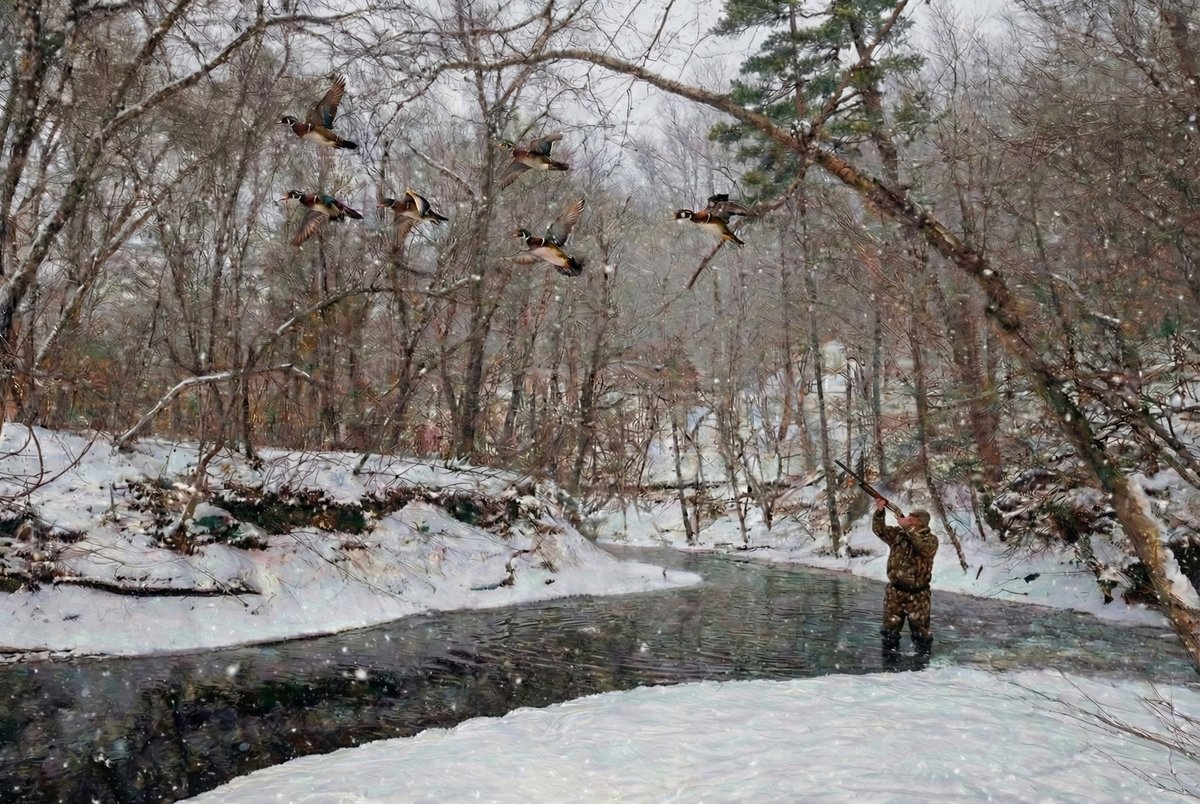
Late season is where a lot of the best waterfowl art lives, because winter forces clarity. Food, shelter, and open water become the whole equation. You start hunting ice edges, springs, beaver flowages, and any little “breathing hole” that stays open when everything else locks up. Ducks that felt random in October suddenly feel predictable: they need to drink and feed, they need somewhere to loaf out of the wind, and they’re going to use the safest route they know to get there.
It’s also when pair bonds start to show more clearly in many dabblers. You’ll see drakes shadowing hens, sticking close on the water and in the air, and you’ll notice more purposeful behavior on approach—less reckless mobbing, more measured landings. The social side of ducks is easy to miss when you’re focused on calling or setting decoys, but it’s real, and it adds depth to any scene that includes more than one bird.
That winter relationship—and the stark beauty that frames it—comes through in Frostbound Companions. The best late-season pieces don’t just show ducks; they show what the ducks are enduring. Frost on the grass, the hard shine of cold water, and that quiet, tight-bodied posture birds get when they’re conserving heat. If you’ve ever broken skim ice with your boot to keep a little pocket open, you know exactly what that kind of image is saying.
And for hunting tactics, late season is also where realism beats volume. On pressured birds, a clean set with good hide often outperforms the loudest calling. Ducks have been educated for months; they know what a too-perfect landing zone looks like. Art that leans into late-season subtlety—ice lines, wind lanes, sheltered coves—feels honest because that’s where the birds actually want to be when the world turns hard.
Family Groups & Backwater Calm: Duck Species Art Beyond the Shot
Not every duck moment is about the finish. Some of the best time you’ll spend around waterfowl is the quiet stuff: watching a family group loaf in a backwater, listening to soft contact calls, seeing hens keep order while young birds learn the rules of spacing and safety. Those scenes matter, especially if you spend time scouting. Loafing areas often tell you more than feeding areas—because ducks loaf where they feel secure.
When you find a protected pocket—out of the main wind, with a little depth change, maybe a fallen tree giving shade and cover—you’ll often see birds settle into a calm rhythm. Heads tuck, eyes half-lid, occasional preening. Then, every so often, a few birds stand up and stretch wings, and you realize even “resting” is a constant scan. That mix of peace and alertness is one of the hardest things to capture in art, and one of the most rewarding to live in person.
If that’s your kind of waterfowl memory, Quiet Family Waters leans into it. It’s the kind of scene that reminds you why you got into this in the first place: not just for the hunt, but for the hours spent learning a marsh the way you learn a good piece of public ground—slowly, respectfully, and with your eyes open.
Reading Light, Wind, and Water: Why Duck Canvas Prints Feel So Real
What separates a piece you simply “like” from one that stops you in your tracks is usually the atmosphere. Ducks are weather creatures. Wind determines approach lanes. Light determines how safe they feel. Water texture tells you whether a landing is easy or risky. When an artist gets those right, you don’t just see a bird—you feel the conditions.
Take autumn, for example. Early splits often bring warm light and lively water, especially when a breeze pushes ripples down a creek or across a marsh pond. Those ripples aren’t background; they’re information. They show direction, temperature, and mood. Autumn Ripples captures that transitional season feel—the kind of day when the leaves are turning, the birds are still moving on a relaxed schedule, and your scouting notes start to matter more than your luck.
From a practical hunter’s angle, paying attention to those cues changes your results. Set your spread so birds land into the wind, not across it. Use natural current seams. Hide where the sun won’t silhouette you. The same details that help you finish birds are the details that make duck canvas prints believable—because they’re rooted in how ducks actually use a place.
Field & Fen Art is based in Milton, North Carolina, and if you’ve spent time on Carolina waters—beaver ponds in the timber, blackwater creeks, or big open reservoirs—you know how much variety our region holds. That local sense of place pairs naturally with a broader love for waterfowl, whether your favorite mornings are teal skimming flooded grass or divers hammering in over wind-whipped water.
If you’re in the mood to keep learning the birds—and maybe find a scene that matches your own best mornings—take a slow look through the Waterfowl Collection. No rush. The right piece usually feels familiar for a reason.