 Field
Field You've got the walls. You've got the taste. But standing in front of a blank space trying to figure out what belongs there? That's where most people stall out.
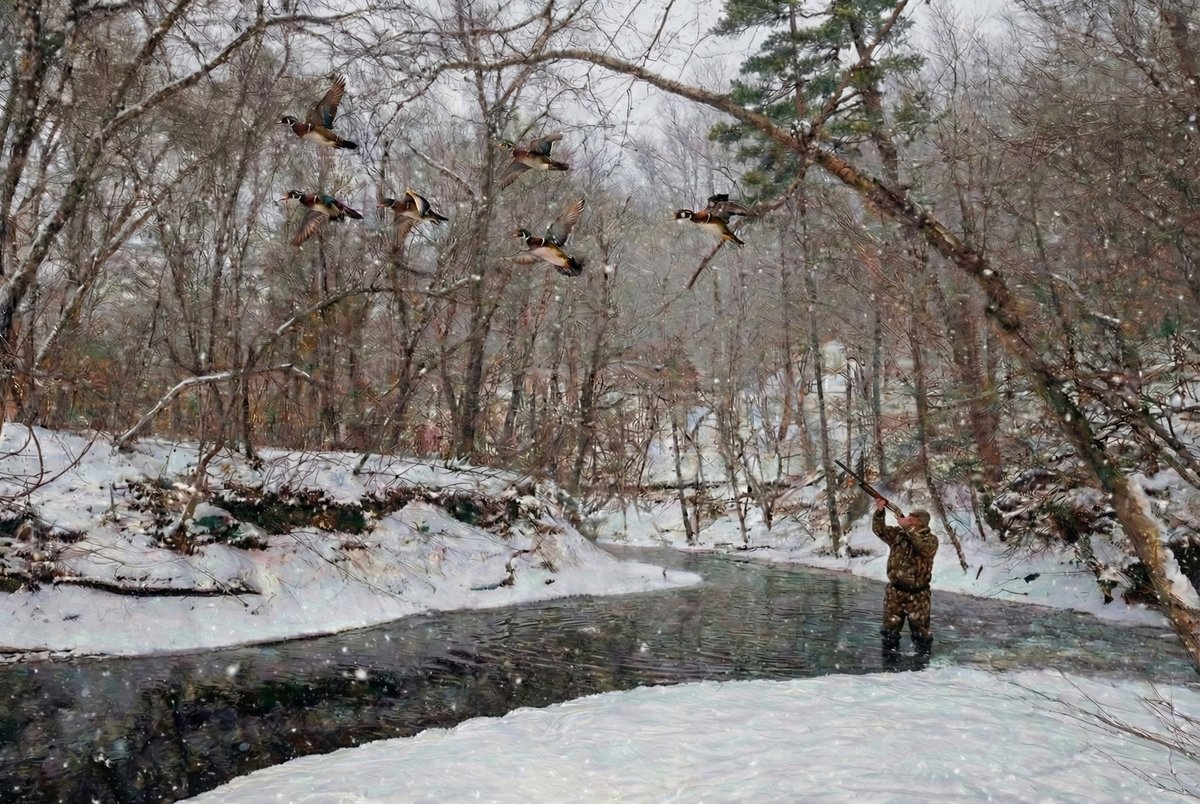
Wildlife art isn't just decoration — it's a statement about who you are and what you care about. Whether it's a bull elk above the mantle or a pair of wood ducks in the hallway, the right piece turns a house into your house.
Here's how to get it right.
Start With the Room, Not the Art
The biggest mistake people make is falling in love with a piece and then trying to find a wall for it. Work backwards instead.
- Living room / great room: This is your statement piece territory. Go big — 36×24 or larger. Whitetail deer, elk, and landscape scenes command attention here.
- Office or study: Medium sizes (24×16, 30×20) work well. Raptors, trout, and upland bird scenes bring a quiet intensity to a workspace.
- Hallways and entryways: Smaller pieces (12×8, 18×12) in series look sharp. Three waterfowl prints in a row? That's a gallery wall.
- Bedroom: Go for calm. Landscapes, dawn scenes, or a single deer in soft light. Nothing too aggressive.
- Cabin or lodge: Anything goes. This is where the bear prints, turkey scenes, and big buck art live their best life.
Size Matters More Than You Think
The number one regret people have with wall art? Going too small.
A 12×8 print over a couch looks like a postage stamp. Here's a rough guide:
- Above a couch or bed: The art should be about 2/3 the width of the furniture below it. For a standard sofa, that's usually 30×20 or 36×24.
- On an empty wall: Measure the wall space, then fill about 60-75% of it. When in doubt, go bigger.
- Gallery walls: Multiple smaller pieces (12×8 or 18×12) grouped together create a collected-over-time look that works great in cabins and dens.
Canvas vs. Paper vs. Metal: Why We Choose Canvas
We print exclusively on museum-quality canvas with gallery wrap for a reason:
- No frame needed. Canvas wraps around the stretcher bars, so it's ready to hang right out of the box.
- Texture and depth. Canvas gives wildlife art a painterly quality that flat paper prints can't match.
- Durability. Canvas holds up better than paper in real-world conditions — humidity, temperature swings, the occasional bump.
- The look. There's a reason galleries have used canvas for centuries. It just looks like art.
Matching Art to Your Existing Decor
You don't need to redecorate to hang wildlife art. Just follow the color:
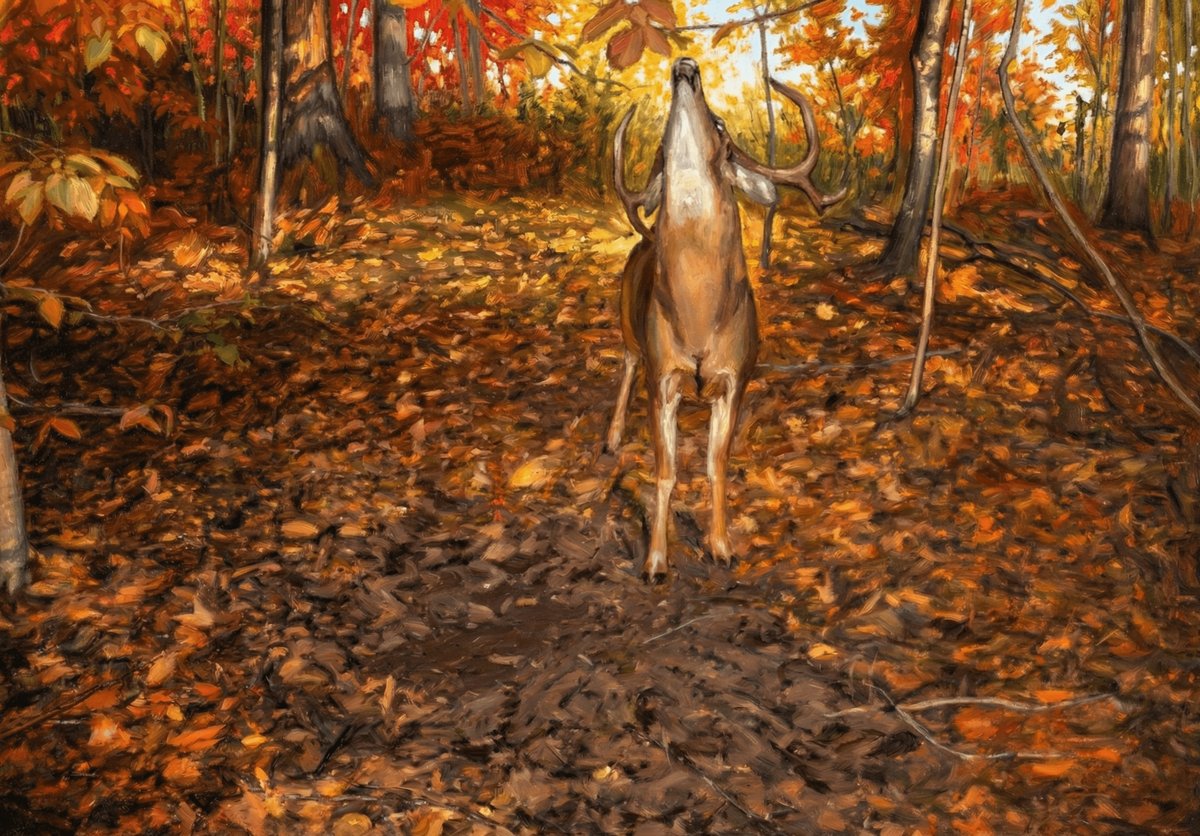
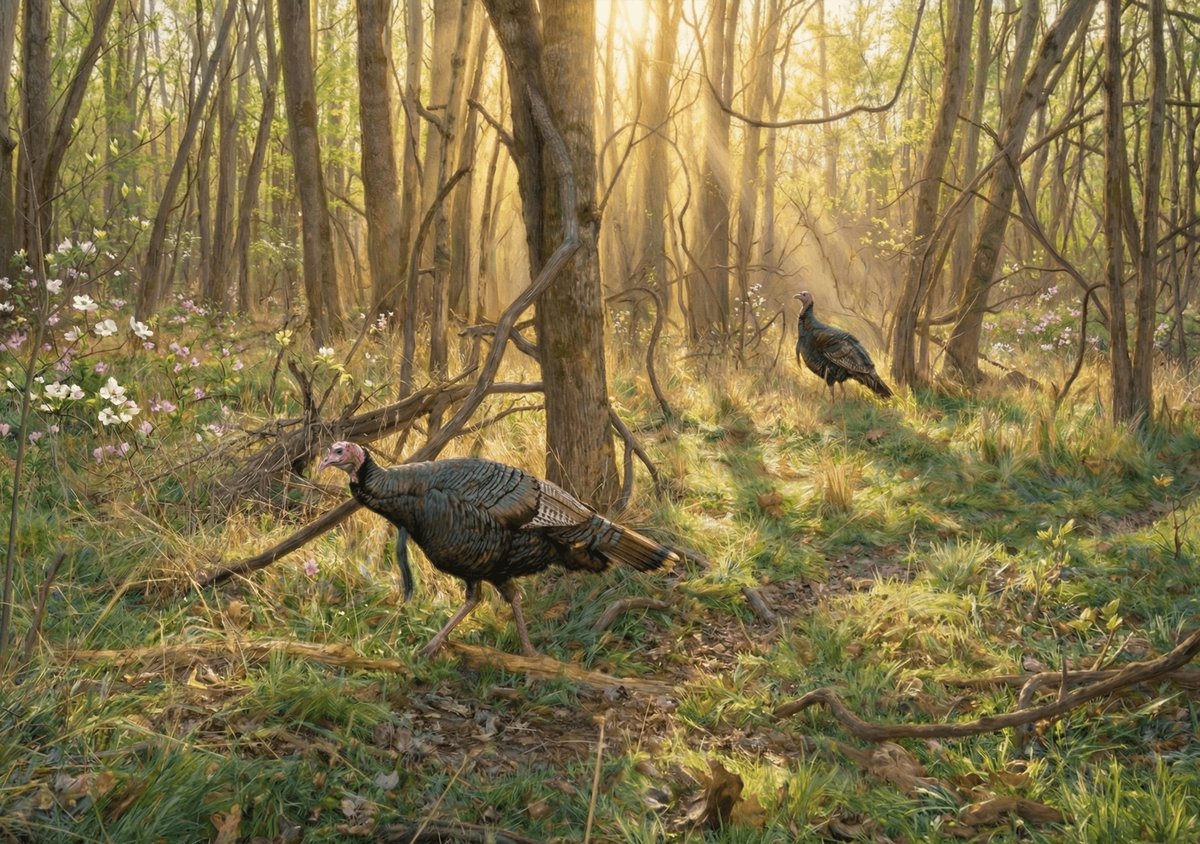
- Warm tones (browns, reds, oranges): Autumn whitetail scenes, turkey art, and golden-hour landscapes blend naturally with lodge-style and rustic interiors.
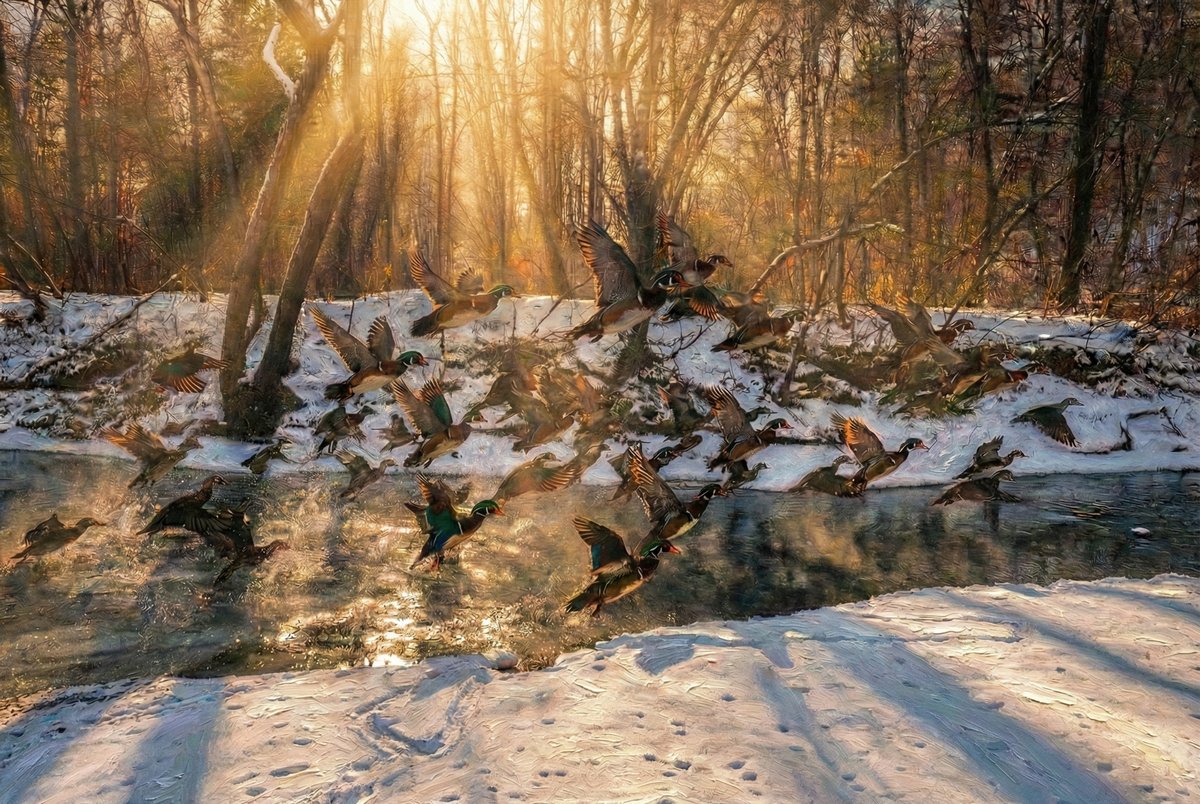
- Cool tones (blues, grays, greens): Waterfowl scenes, winter landscapes, and raptor portraits work beautifully in modern or coastal spaces.
- Neutral rooms: Lucky you — everything works. Use the art as your color anchor and let it define the mood.
The Rule of Connection
The best wildlife art isn't just pretty — it means something to the person hanging it. That's the piece you never get tired of looking at.
Maybe it's the whitetail buck that looks like the one you saw opening morning. Maybe it's the wood duck scene that reminds you of your granddad's pond. Maybe it's a landscape that feels like a place you haven't been yet but know you need to find.
That connection is worth more than any design rule.
Ready to Find Your Piece?
Browse our full collection of wildlife canvas prints — from whitetail deer and waterfowl to raptors, turkeys, and wild landscapes. Every piece is printed on premium canvas and ships ready to hang.
Looking for the perfect piece? Check out Wood Duck Wack Em! — one of our most popular canvas prints, gallery wrapped and ready to hang.
Ready to find the right piece? Browse our whitetail deer canvas prints, waterfowl art, or our full wildlife canvas print collection — each one printed on museum-quality canvas and shipped ready to hang.