 Field
Field Not all prints are created equal — especially when it comes to wildlife art. The medium matters as much as the image, and getting it wrong can turn a stunning photograph into something that belongs in a dentist's waiting room.
Here's why canvas is the gold standard for wildlife art, and why we chose it as our exclusive medium at Field & Fen.
Canvas Gives Wildlife Art the Depth It Deserves
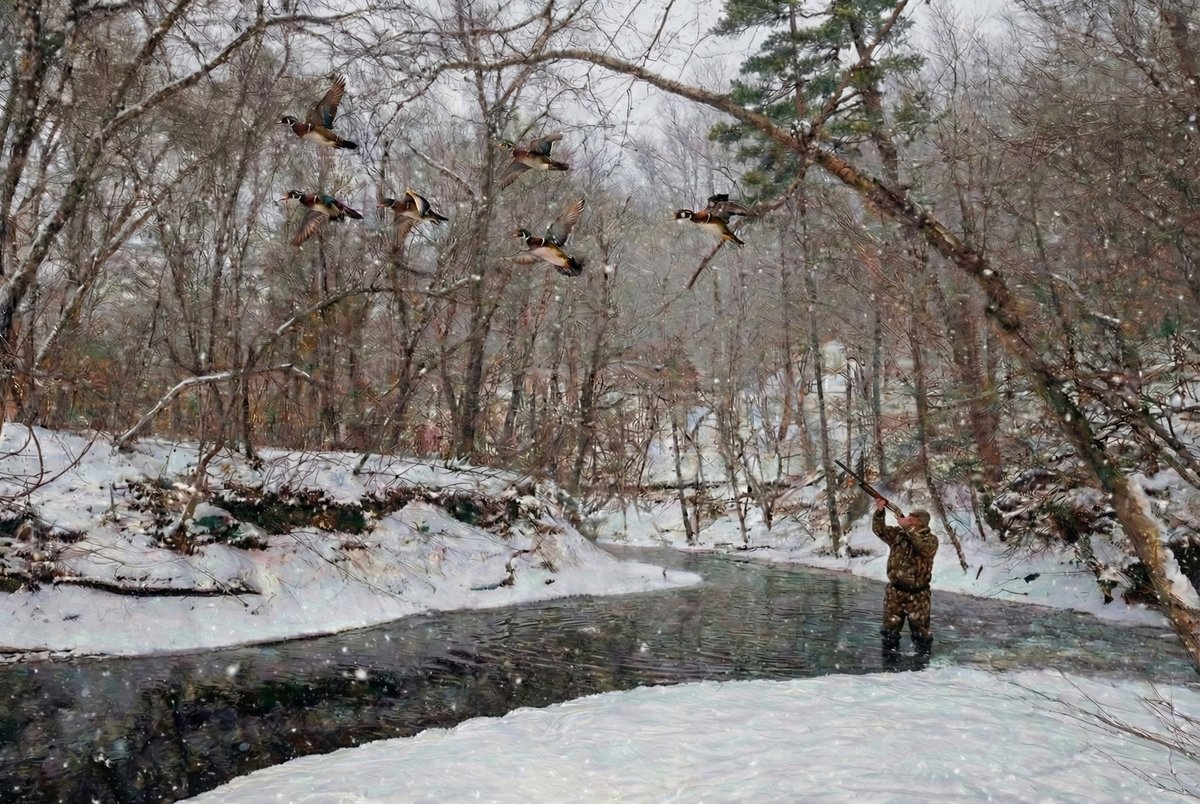
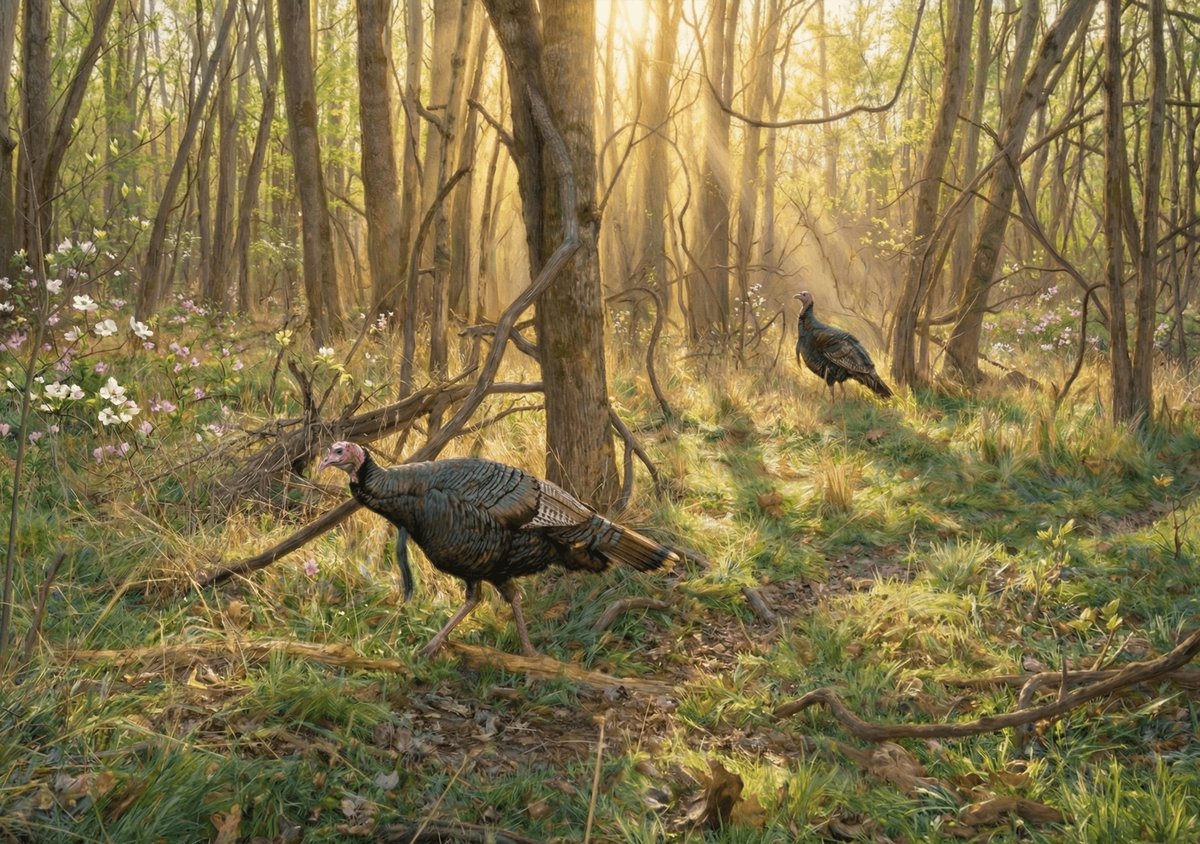
Wildlife scenes have texture — fur, feathers, water, bark, sky. A flat glossy paper print flattens all of that into a single plane. Canvas does the opposite.
The woven texture of canvas adds a subtle dimensionality that makes wildlife art feel alive. Light catches the surface differently at different angles, giving the piece a presence that paper simply can't match. It's the difference between looking at a picture and looking into a scene.
Gallery Wrap: No Frame Required
Our canvas prints use gallery wrap construction — the image wraps around 1.5" deep stretcher bars, creating a finished edge on all four sides. That means:
- Ready to hang immediately. No trip to the frame shop, no waiting, no extra cost.
- Clean, modern look. The wrapped edges give the piece a three-dimensional presence on the wall.
- Versatile placement. Works equally well in a modern living room or a rustic cabin.
Canvas vs. Paper Prints
Paper prints have their place — limited edition signed prints, for example. But for everyday display:
| Feature | Canvas | Paper |
|---|---|---|
| Frame needed | No | Yes (adds $50-200+) |
| Glare | None | Yes (unless museum glass) |
| Texture | Natural woven feel | Flat/glossy |
| Durability | Excellent | Prone to fading, moisture damage |
| Weight | Light | Heavy (with frame and glass) |
| Ready to hang | Yes | No |
Canvas vs. Metal Prints
Metal prints are trendy, and they look great for certain subjects — abstract art, cityscapes, minimalist photography. But for wildlife art, they often miss the mark:
- Too slick. The ultra-glossy finish can make organic subjects look artificial.
- Cold feel. Metal prints have a modern, industrial vibe that clashes with the warmth most wildlife art conveys.
- Color shifts. Metallic substrates can alter earth tones — not ideal when you're trying to capture the exact brown of a whitetail's coat or the green of a marsh at dawn.
What to Look for in a Quality Canvas Print
Not all canvas is the same. Here's what separates museum-quality from bargain-bin:
- Poly-cotton blend canvas. More durable and consistent than pure cotton.
- Archival-quality inks. UV-resistant inks that won't fade for decades.
- Solid wood stretcher bars. Not cardboard, not particle board. Real kiln-dried wood that won't warp.
- Proper tensioning. The canvas should be drum-tight with no ripples or sag.
- 300 DPI printing. Sharp detail at every viewing distance.
Every Field & Fen print meets all five of these standards. We don't cut corners because you're going to stare at this thing every day — it needs to hold up.
See For Yourself
Browse our complete collection of wildlife canvas prints. From whitetail deer and waterfowl to raptors and landscapes — every piece printed on premium gallery-wrapped canvas, ready to hang.
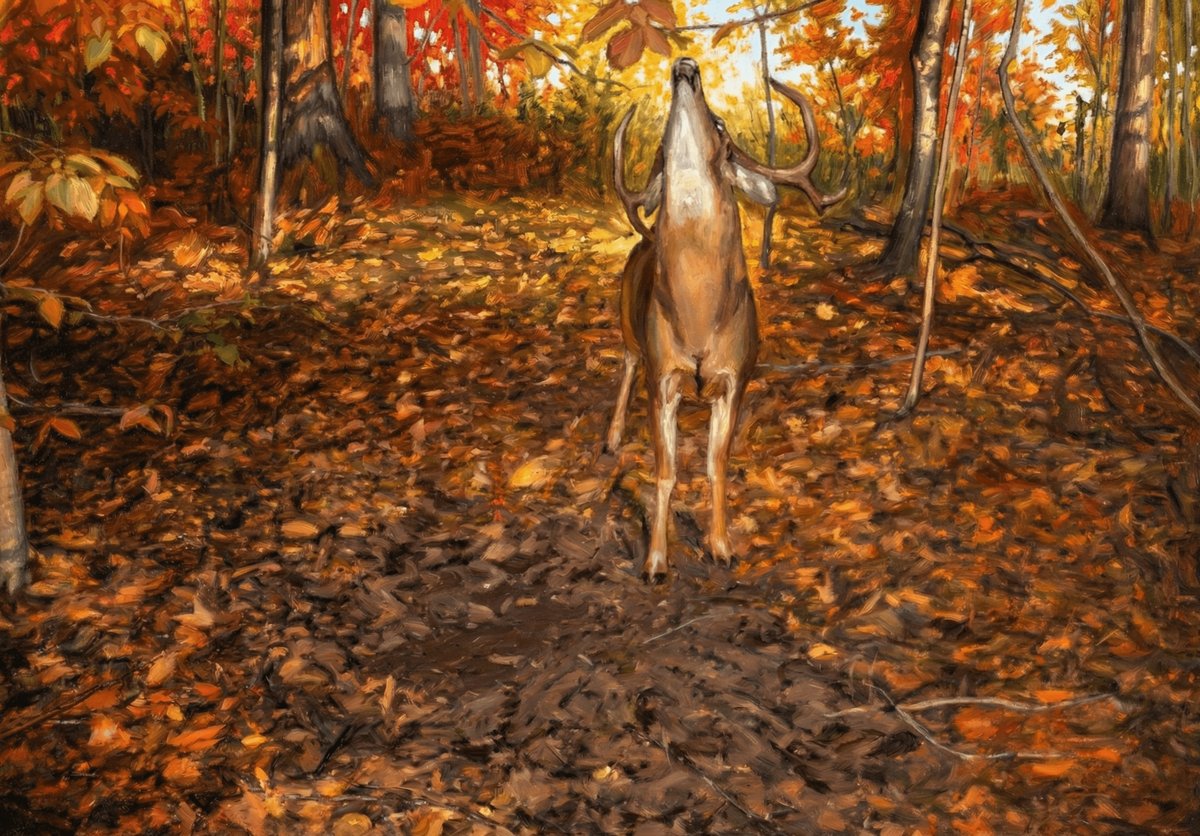
Looking for the perfect piece? Check out November Business — one of our most popular canvas prints, gallery wrapped and ready to hang.
Ready to see canvas done right? Browse our full collection of museum-quality wildlife canvas prints — whitetail deer, waterfowl, raptors, and more. Every piece ships ready to hang.